Recent News

At its core, this is about whether the United States is willing to build again. Critical minerals power everything from smartphones and advanced manufacturing to military technology and energy infrastructure, yet America continues to delay the very projects needed to secure those supply chains domestically. If policymakers want a stronger economy and a more secure future, they should start by fixing a permitting system that too often rewards obstruction over progress.

Lincoln warned that sacrifice must serve a necessary cause, requiring discipline in foreign policy and restraint in the use of force.

If government officials entered your home, opened your drawers, and sorted through your private papers, the intrusion would be obvious. It would also be deeply objectionable: your privacy and property would have been violated.
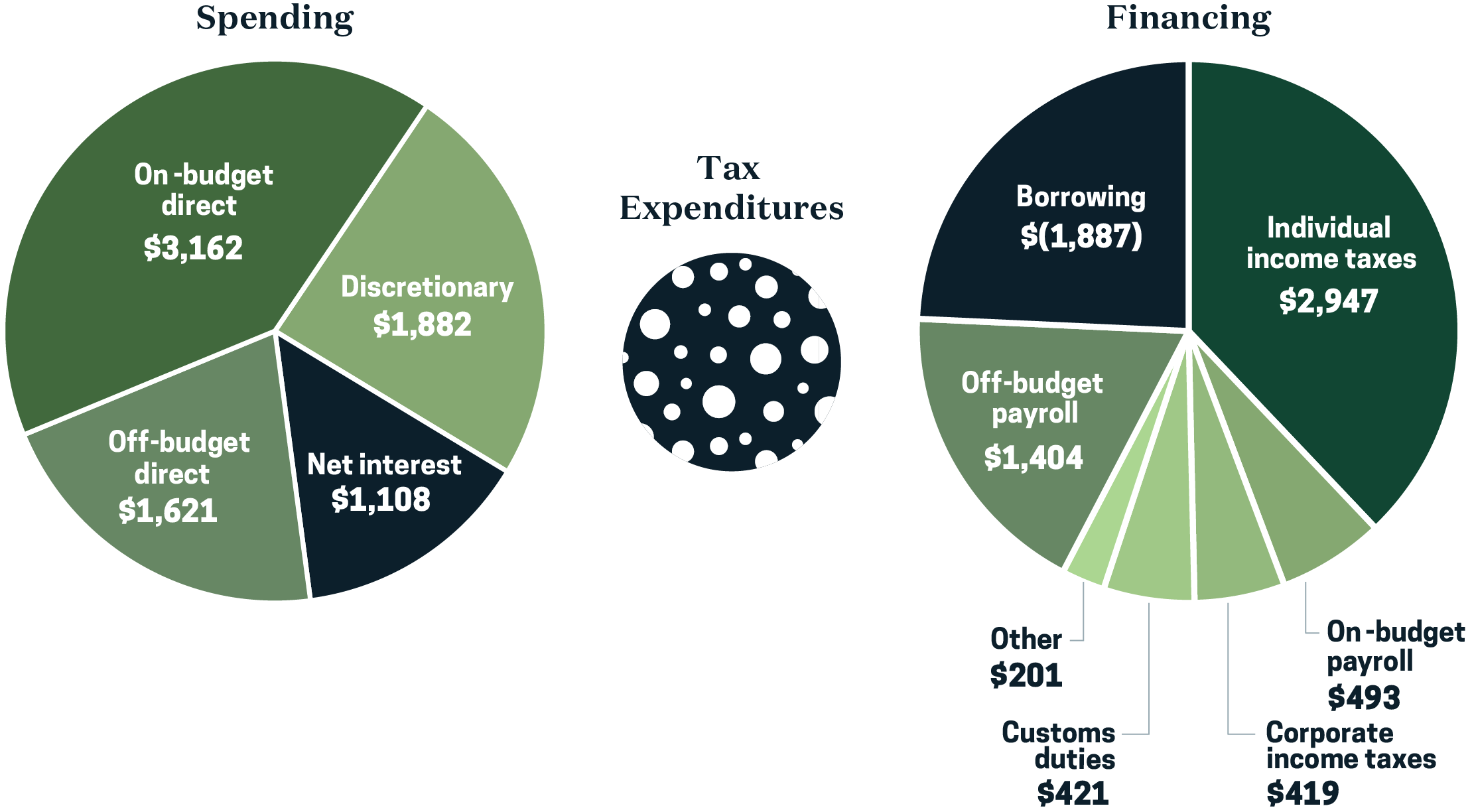
Budget breakdown is no longer episodic. It is systemic. Congress should do an annual budget where all members can contribute to managing all spending and revenue policies in their committees and on the floor.
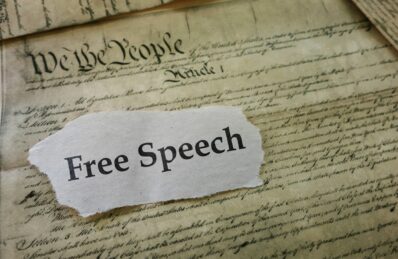
Earlier this week, Media Matters, an organization that engages in speech protected by the First Amendment, announced a historic settlement with the Federal Trade Commission, permanently ending the agency’s investigation into Media Matters after it successfully blocked the FTC’s administrative demands in a pre-enforcement constitutional challenge. Whether one agrees with Media Matters’s message or not, this is an important victory for free speech and the rule of law that should benefit those facing agency investigations they believe to be unconstitutional.

On Friday, Oklahoma took a major step toward regulatory transparency by enacting the Guidance Transparency Act, a new law requiring state agencies to submit state and federal guidance documents to the Secretary of State for proactive publication online. Oklahoma is the first state in the nation to require guidance transparency by law.
The open road has long been a symbol of American freedom. A law to require 24/7 monitoring of drivers and the ability to stop their cars could soon change that.
On April 29, Americans for Prosperity submitted a letter to Members of Congress urging opposition to the Faster Labor Contracts Act (H.R. 5408 / S. 844) and ongoing efforts to force the bill onto the House floor using a discharge petition.

Proposals to drive the minimum wage to $30 an hour must be met with skepticism. If a wage floor of $20 an hour in one major industry leads to fewer jobs and higher prices, policymakers should at least reconsider before assuming a much larger wage push will be painless across a broader swath of the economy. If policymakers really want to help workers, they should focus on policies that expand opportunity and increase productivity, not wage floors that risk pricing disadvantaged workers out of the labor market.