Recent News

This term the Supreme Court decided two cases that removed judicial barriers to federal court review in Olivier v. City of Brandon, and First Choice Women’s Resource Center v. Davenport, throwing open the courthouse doors to plaintiffs with constitutional injuries. These cases continue a multi-year trend of course-correcting on judicial doctrines that barred defendants in agency or state-court actions from having their federal challenges resolved by a federal court.

The Upward Mobility Act, sponsored in the House of Representatives by Rep. Blake Moore (R-UT) and in the Senate by Sen. John Husted (R-OH), would help address the welfare benefits cliffs by allowing up to five states to create pilot Upward Mobility grants with the goals of increasing employment among beneficiaries and reducing benefit cliffs.
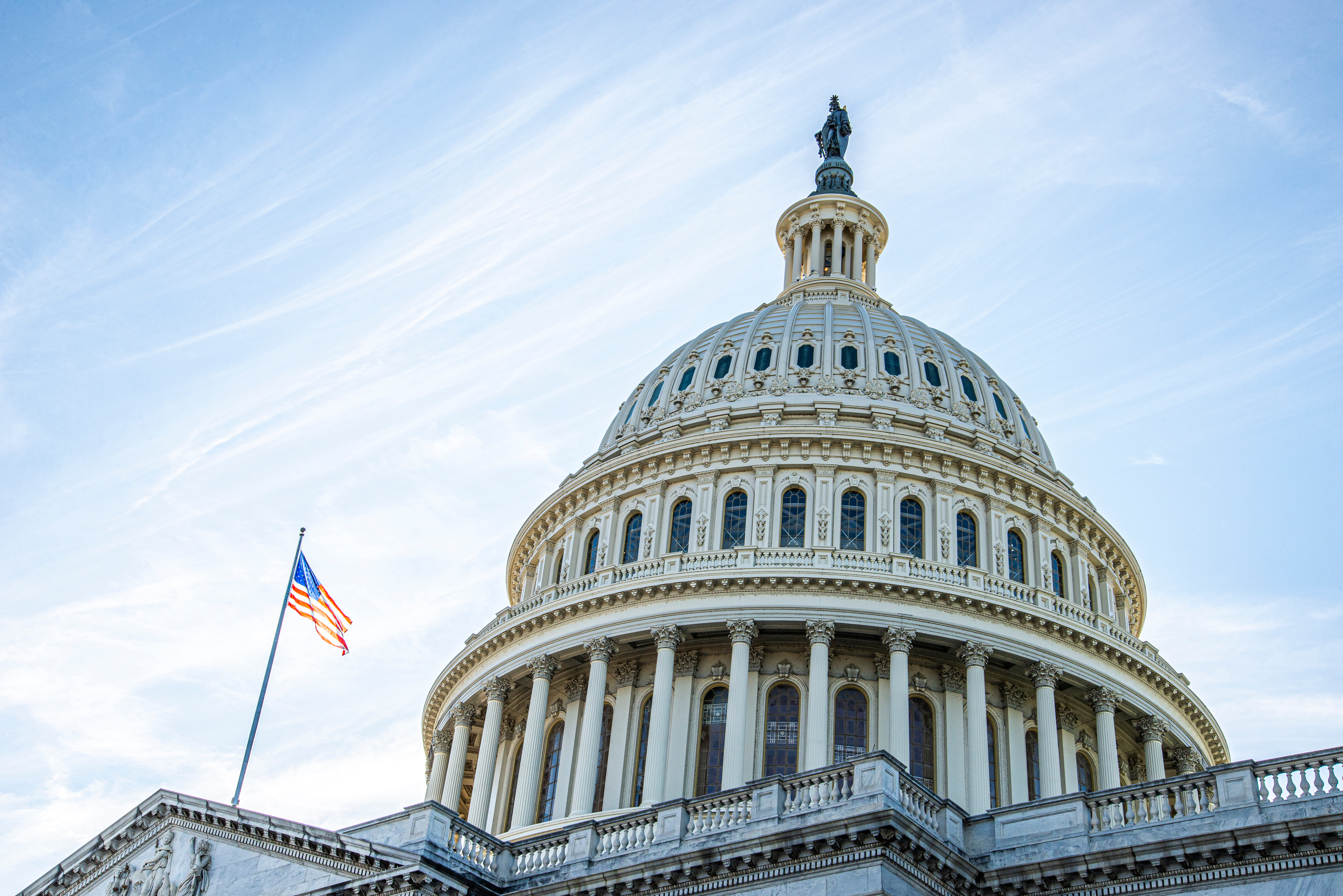
The House is taking important steps toward cleaning up federal programs. Congress must continue to build on those efforts to make sure that the federal government is serving the public as well as possible.
PGSA would 1) keep Congress in DC to finish appropriations bills if they aren’t done prior to the new fiscal year and 2) maintain services for the American people in the meantime.
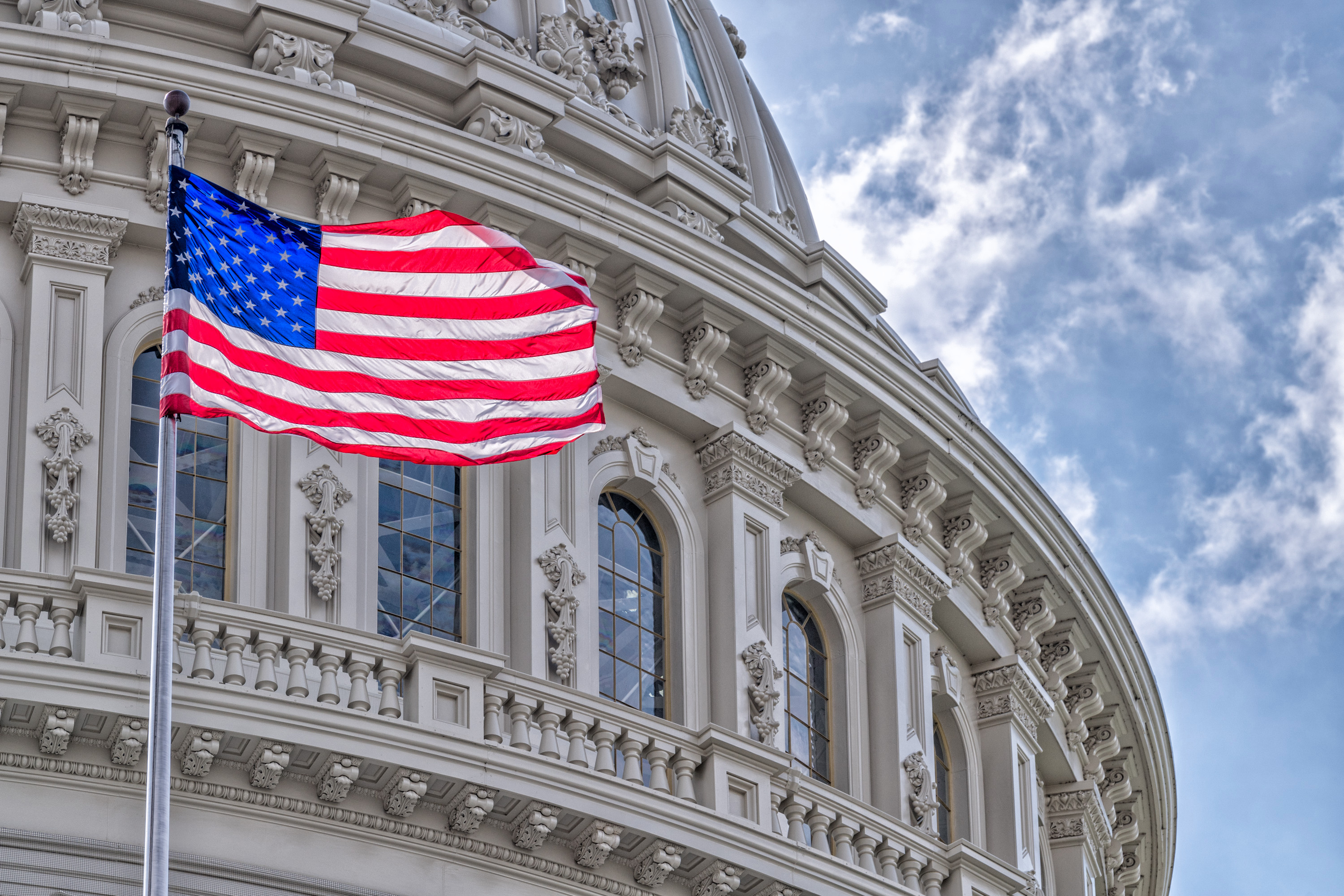
Empowered committees can make Congress a stronger governing institution. A real budget would help members learn, negotiate, prioritize, and improve policy together over time.
There is a broad consensus amongst Americans across the country that housing is unaffordable. The median single-family home now costs five times the median household income, the age of the median first-time homebuyer is now 40, and the United States has a housing shortage of roughly six million homes nationwide. The housing situation is so dire that Congress has noticed and has proposed different reforms to combat the crisis.

The Trump Administration is trying to sell the latest tariff battle as a response to trade imbalances and foreign economic pressure, but the actual issue is largely domestic. Indeed, the most recent ruling in Burlap and Barrel, Inc. v. Trump demonstrates that the question at hand is whether the president can levy taxes on Americans by rebranding his perceived economic grievances as a statutory emergency.

The takeaway from 2026 is clear: the push for guidance transparency is no longer limited to executive orders, it has entered the legislative mainstream.

The evidence is clear that CON laws are barriers to accessible, affordable, and high-quality care. By restricting competition and limiting investment in new supply, these restrictions make it harder for providers to respond to patient needs. States seeking to expand access and lower costs should move away from burdensome and obsolete CON programs and toward an open and competitive health care system.