Recent News

For decades, the United States has been synonymous with entrepreneurship. From Silicon Valley’s tech giants to small Main Street businesses, the country has built a reputation as the global epicenter of innovation. That status is not the result of any single advantage. Rather, it reflects a durable combination of structural, cultural, and economic factors that, together, make the U.S. uniquely effective at building and scaling new firms.

Americans for Prosperity has worked to pass housing reforms in states across the country, cutting red tape and increasing housing options for all Americans. AFP’s Roadmap for: Housing Policy Reform report includes numerous policy solutions for reducing housing regulations, several of which are included in this package. Michiganders deserve housing they can afford. These reforms will help make that possible.
Part of the “Effective Budgeting” series. A bipartisan, bicameral consensus is emerging on bringing deficits down to 3 percent of GDP, and then on toward balance thereafter. I was honored that Chairman Arrington invited me to testify on that goal at the House Budget Committee last month. After touching on the main themes of my […]

Spending more on defense is not enough. True autonomy requires shifting operational control from Washington to Europe. NATO’s latest leadership shuffle could lay the groundwork for a meaningful rebalancing of responsibility across the alliance-but only if policymakers follow through.
When we consider the innovation this country has produced, it is astounding to recognize that each invention is the result of curiosity, questioning, and ingenuity from every day Americans.
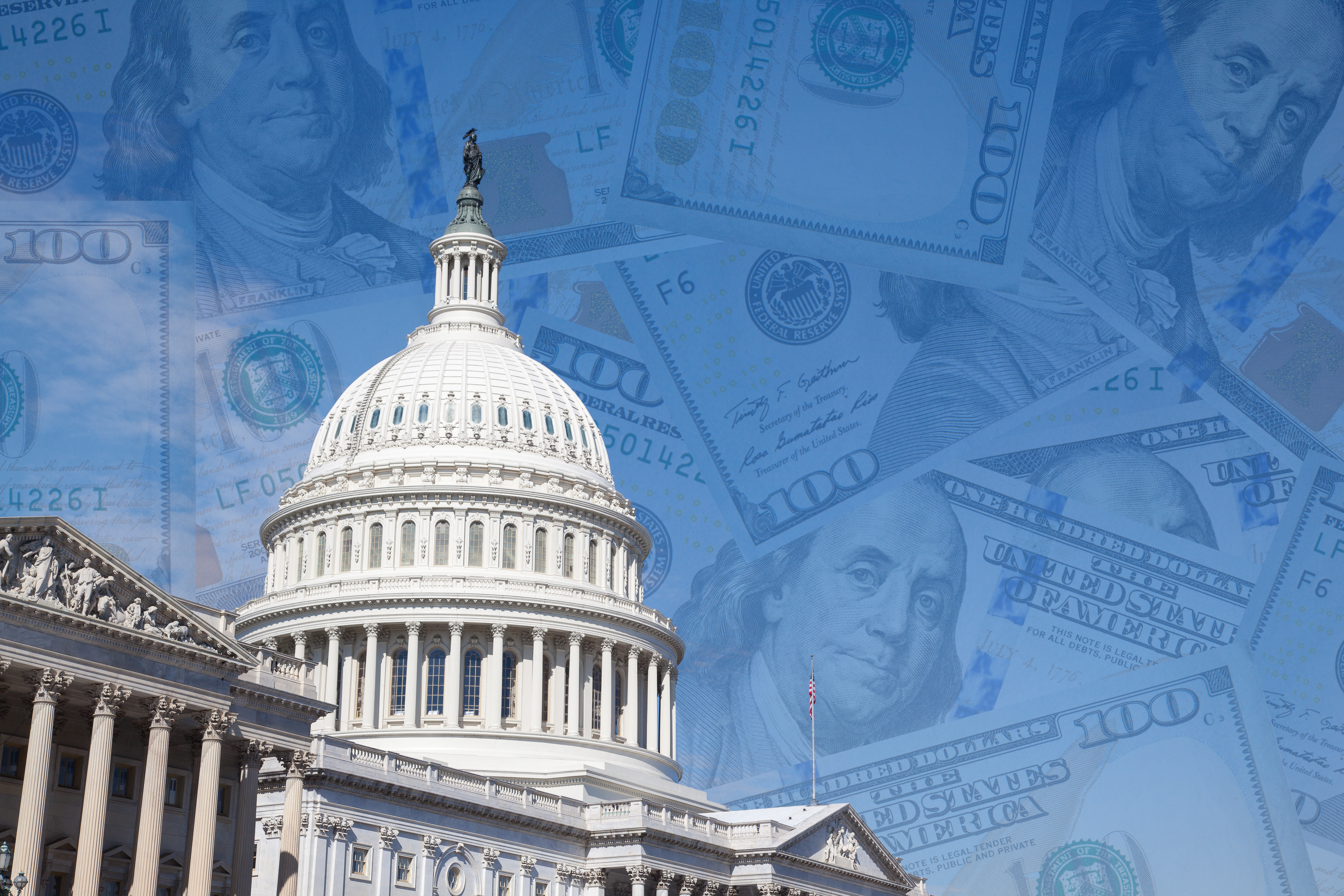
This post is part of a series on “Imagining Effective Federal Budgeting”: House Budget Committee Chair Jodey Arrington recently discussed plans to advance a budget resolution. It should be a blueprint meant to guide congressional action on spending, revenue, deficits, and debt for the year.
At a time when many Americans are skeptical of government effectiveness, ORM offers a rare example of reform that delivers tangible results. Virginia should not only continue this office, but rather Virginia, Congress, and the entire country should adopt and build on its success and reaffirm the type of accountable governance envisioned by our Founding Fathers.

Last week, I testified at the House Budget Committee hearing on “The Best Metric to Reverse the Curse: A 3% Deficit-to-GDP Path to Fiscal Sustainability” along with Maya MacGuineas, president of the Committee for a Responsible Federal Budget, Jonathan Burks, executive vice president for economic and health policy at the Bipartisan Policy Center, and Jared Bernstein, Ph.D., […]

If the goal is more access, lower costs, higher quality, and a more competitive health care system, the solution is clear: roll back CON laws and stop letting state planners block investment in care. Tennessee’s Senate has taken a meaningful step in that direction. The House should follow through.