It’s easy to praise limited government when government is doing something you oppose.
The real test is when government promises to deliver something you want, like lower grocery prices, cheaper energy, and more affordable housing.
But the founders understood that government is not equipped to make every economic decision, predict every innovation, or know which solution will work best.
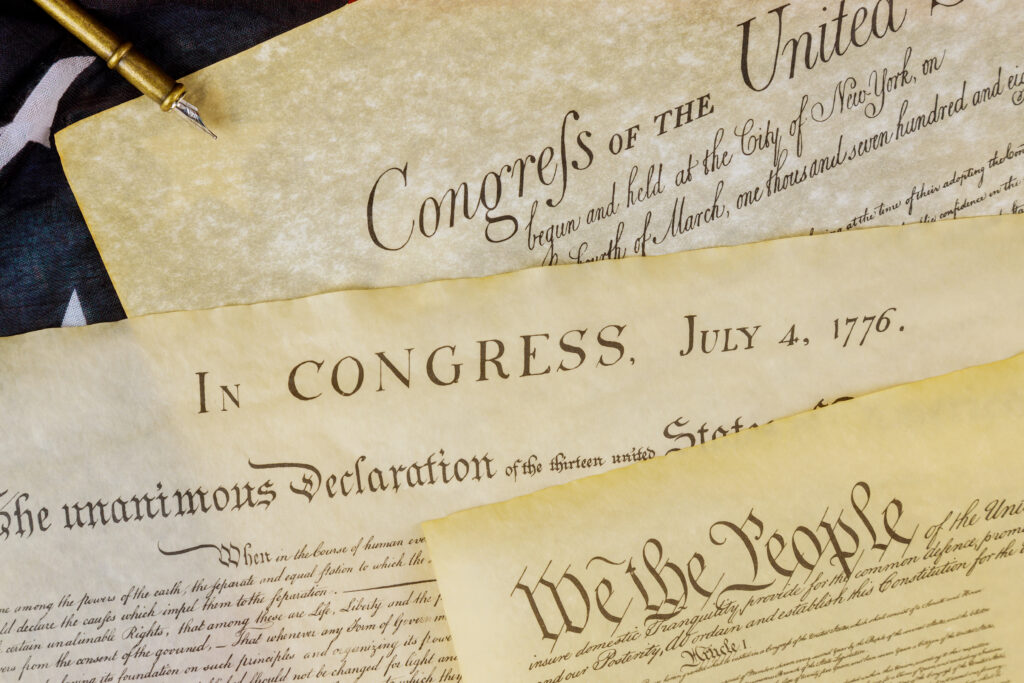
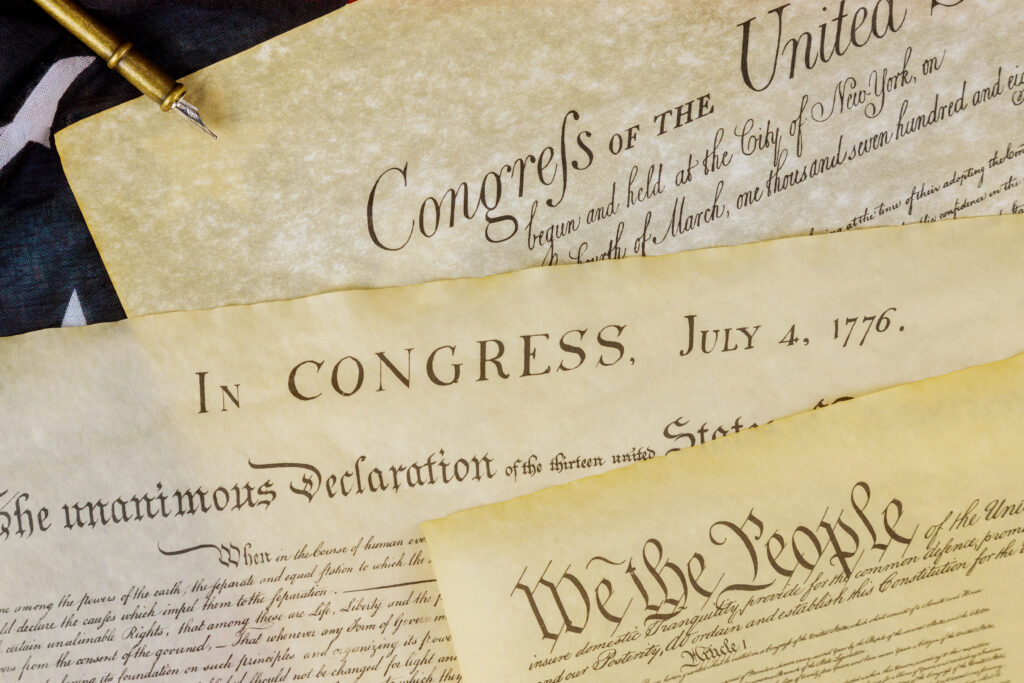
That’s why the Constitution starts with “We the People.”
The government’s power comes from the bottom up. Solutions to society’s problems should, too.
Government solutions can’t compete with those that come from millions of people — workers, consumers, entrepreneurs, investors, and businesses — testing ideas, responding to demand, and finding better ways to meet people’s needs.
And that space for people to act, compete, experiment, and discover is a core part of economic freedom.
Conditions improve when government gets out of the way
Industries often improve when government stops trying to manage them.
Airlines are a good example.

In the name of protecting consumers and helping the industry, Washington used to heavily regulate airlines. It determined which airlines flew which routes, which carriers were allowed to fly in different markets, and the prices they could charge.
Over time, these rules insulated airlines from competition. Fares remained high and air travel remained out of reach for millions of Americans.
Then Congress passed the Airline Deregulation Act of 1978 and phased out government control of routes and fares. When airlines had freedom to compete, fares fell and air travel became more accessible.
The freight rail industry has a similar story.
For decades, Washington controlled railroad rates and made other key business decisions. By the 1970s, shipping costs were rising and major railroads were going bankrupt.
Then Congress passed the Staggers Rail Act of 1980. It gave railroads more freedom to set rates, negotiate with customers, and respond to market conditions.
The result? The industry became more efficient. Productivity rose. Rates fell.
In neither case did Washington solve a problem by becoming better at managing the industry.
It solved the problem by getting out of the way.
Constitutional principles should still guide us today
Top-down solutions don’t get better because a problem is a priority.
Government-run grocery stores put politicians and bureaucrats in charge of decisions that competing businesses make every day.

Energy subsidies and mandates steer investment toward technologies policymakers have chosen. But Washington can’t know whether the best solution is solar, nuclear, natural gas, geothermal, a new storage technology, or something no one has invented yet.
And when government piles more zoning restrictions and building rules onto housing, it makes it harder to solve the actual problem.
Limited government puts its trust in “We the People” to solve problems, create better ideas, and respond to what others need.
That’s one reason America has flourished for the last 250 years.
Limited government depends on us
Government gets its authority from “We the People.” But self-government doesn’t preserve itself.
We need to resist the temptation to hand government more power every time a problem feels urgent or a promised solution sounds appealing.
Limited government leaves room for people to solve problems, build businesses, create new technologies, compete, and improve our communities.
Take one small step: Read the preamble and spend a few minutes learning about the document that protects our liberty.
Then, invite someone else to do the same.
Because preserving a government of “We the People” starts with people who understand what those words mean.