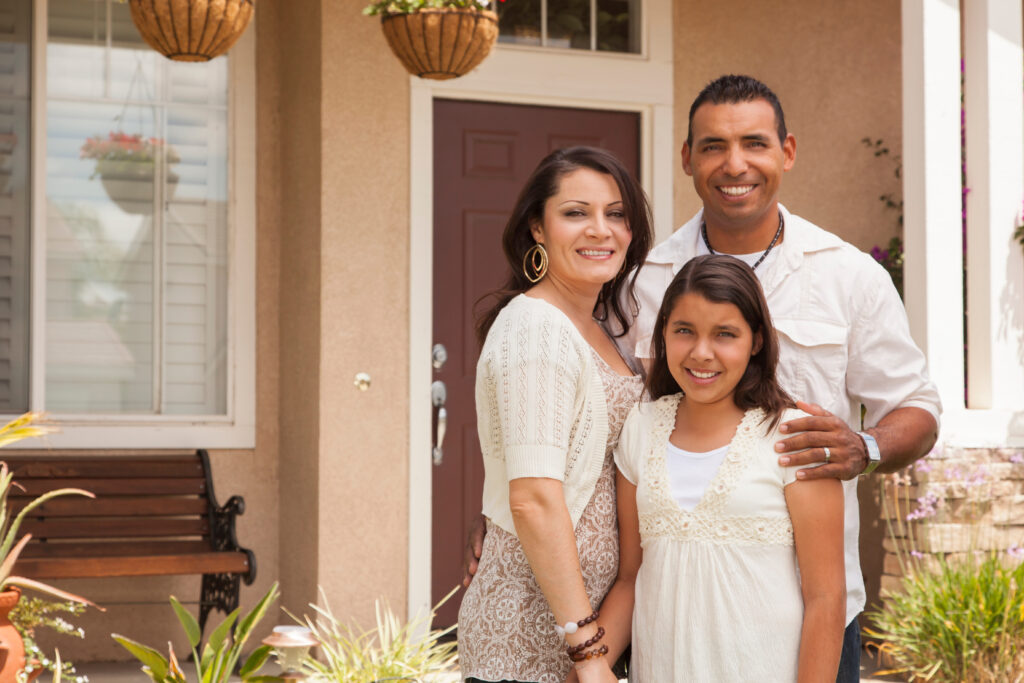
A small house. Two or three bedrooms. A small yard. Maybe a garage.
For generations, modest homes like these helped Americans take their first step toward the American Dream: buying a home, building wealth, and raising a family.
Today, that first step is getting harder to take.
Land prices, labor shortages, and construction costs have made building homes more expensive. Local zoning rules and permitting delays add to the bill.
Meanwhile, the Democratic Socialists of America propose universal rent control and expanded public housing.
Their approach would give the government greater control over housing prices and ownership, even as existing government restrictions are already making smaller homes harder to build.
Why starter homes became harder to find
In the 1970s, more than a third of newly completed single-family homes were smaller than 1,400 square feet.
By 2025, that share had fallen to about 11%, according to the U.S. Census Bureau.
Builders are paying more for land, construction, and labor. With higher costs for each lot, permit, and project, they have stronger financial reasons to build larger, higher-priced houses.
For first-time homebuyers, that means fewer opportunities to start small and work their way up.
Government rules make small homes more expensive

Imagine a builder buys an acre of land and wants to construct several houses.
But local zoning requires each home to occupy a large lot. Instead of building several houses, the builder has to spread the cost of that land across fewer buyers.
That pushes up the price of each home before construction even begins.
Other requirements add costs:
- Parking mandates require parking spaces even when buyers don’t need them
- Setback rules limit how close homes can sit to property lines, reducing the space available to build
- Restrictive zoning prohibits duplexes, townhomes, and other lower-cost housing types
- Permitting delays keep builders paying loan interest, taxes, and other expenses while waiting for approval
These restrictions determine how many homes fit on a property, what builders must include, and how long construction takes.
The result? Fewer affordable starter homes.
Houston shows what happens when cities change the rules
In 1998, the city reduced its minimum residential lot size to 1,400 square feet in its urban core. In 2013, it expanded that reform citywide.
Builders could divide eligible properties into smaller lots, making room for more houses without purchasing additional land.
The changes encouraged the building of more than 80,000 starter homes and townhomes.
Austin, Texas, followed a similar path in 2024, reducing its minimum lot size to 1,800 square feet.
These reforms gave builders more flexibility to construct smaller homes on less land and homebuyers more housing options.
Why more government control won’t solve the shortage
DSA’s political program calls for universal rent control and more publicly owned housing.
Rent control limits what landlords charge tenants. Public housing places more homes under government ownership or management.
Neither policy removes the zoning restrictions and permitting delays that make private construction more expensive.
Rent control also discourages investment in new housing.
When landlords face limits on rental income, some respond by selling properties, converting rentals into other uses, or reducing new projects.
That can leave future renters with fewer options, without making starter homes easier to build or buy.
Bring back the American starter home
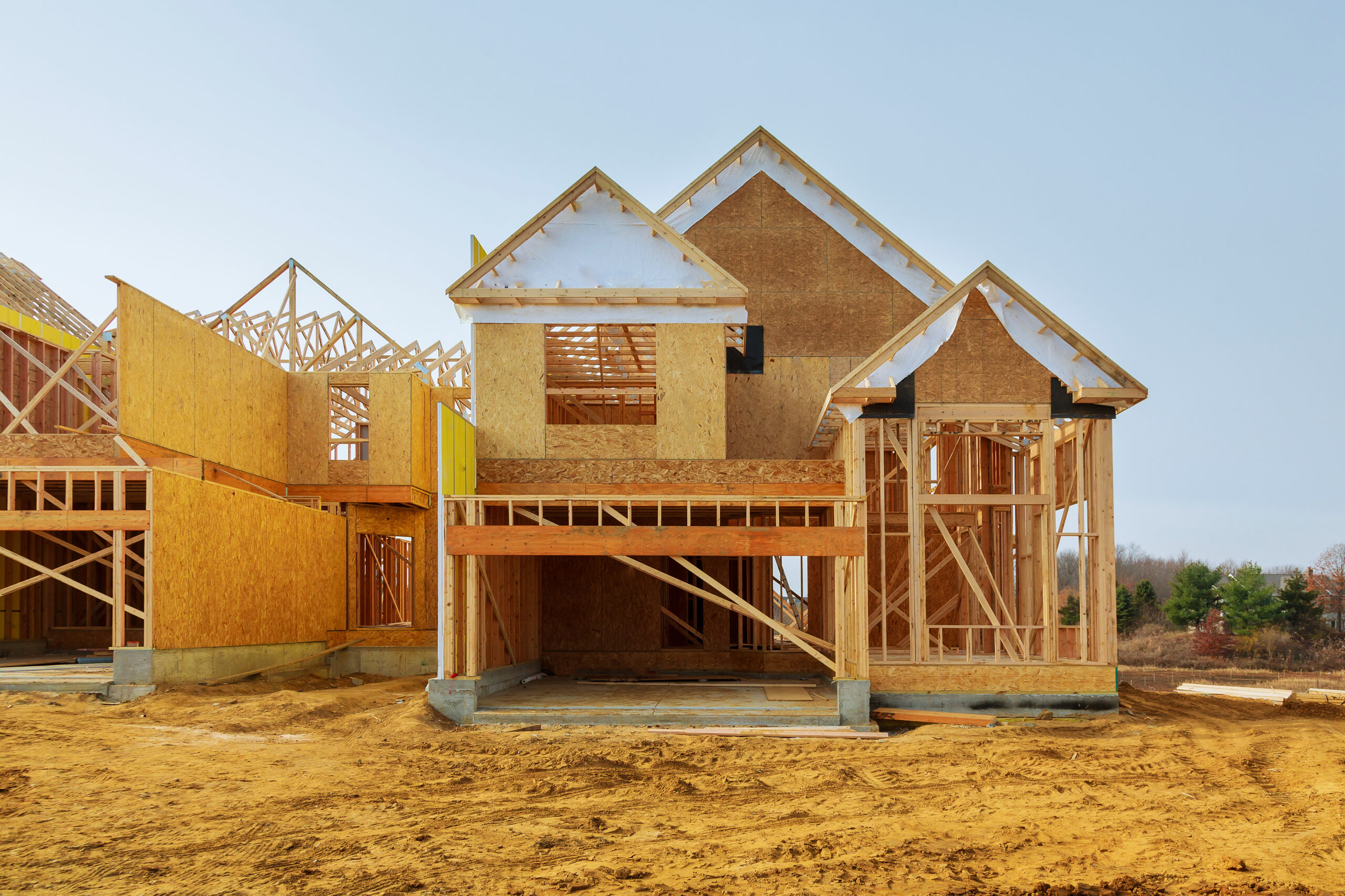
For generations, a starter home helped Americans put down roots, build wealth, and work toward a better future.
That opportunity shouldn’t disappear because government rules make smaller homes harder and more expensive to build.
Cities and states should remove restrictions that prevent builders from offering smaller, lower-priced homes.
That means allowing smaller lots, ending unnecessary parking mandates, permitting duplexes and townhomes, and approving construction projects faster.
More homes and greater competition give buyers more choices and help ease pressure on housing prices.
Socialist housing proposals are more of the same.
The American starter home was once the gateway to the American Dream. Removing unnecessary building restrictions can help put that dream back within reach.
Help us in our fight against socialism and more government control!