Recent News

A judge’s job is to faithfully interpret the laws as written and not impose judicial policy preferences. To do that successfully, every judge must have the aptitude and character commensurate with judging — that means every judge should combine education, experience, intellectual rigor, understanding of the law, appropriate temperament, compassion, and commitment to justice. Anyone whose job is to select a judge, whether elected official, board member, or voter, should reject judges who do not meet these basic standards.
AFP Senior Fellow Kurt Couchman testified to a U.S. House Judiciary subcommittee that a well-designed BBA is part of a set of tools to help Congress budget better. This can reduce costs and increase income for Americans while getting Congress to do a better job for us.
AFP Senior Fellow Kurt Couchman testified on designing a viable balanced budget amendment and related statutes before the House Judiciary Subcommittee on the Constitution and Limited Government on December 3, 2025.

Today, Americans for Prosperity Foundation filed an amicus brief in the U.S. Supreme Court in Canna Provisions Inc. et al. v. Bondi—an important constitutional challenge to Congress’s authority to regulate and criminalize purely local conduct that under our system of federalism is supposed to be handled at the state and local levels—urging the Court to address the important issues it presents.

Reviving Congress can restore America’s conference. Congress must be able to budget well, update programs regularly and uphold the Constitution’s separation of powers.

The Court should restore presidential control over the unelected bureaucracy by overruling Humphrey’s Executor and making clear that the Constitution establishes three branches of government, not four.

AFP is excited to share with congressional staff policy proposals to codify Executive Orders that AFP believes, should be prioritized for introduction following the recess. These include policy proposals to “spring clean” the Code of Federal Regulations, promote greater choice in healthcare, protect individual freedom and promote technological process, and facilitate critical energy infrastructure by streamlining federal permitting.

When Congress writes vague laws, it cedes power to the executive branch. If lawmakers want to reclaim their constitutional role, and prevent future abuses like those uncovered in the CHIPS Act, they must start with better legislative drafting.
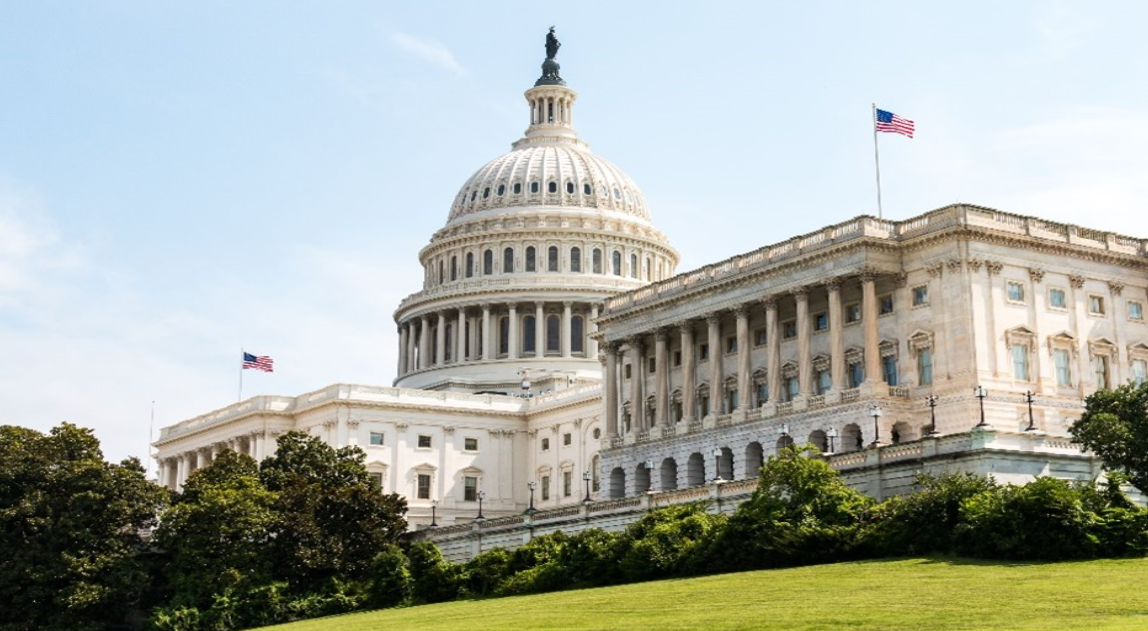
AFP and its activists worked hard to ensure that Congress took full advantage of the Congressional Review Act’s ability to remove overburdensome regulations and rules. Check out some of the wins!