Recent News
Earlier this week, Media Matters, an organization that engages in speech protected by the First Amendment, announced a historic settlement with the Federal Trade Commission, permanently ending the agency’s investigation into Media Matters after it successfully blocked the FTC’s administrative demands in a pre-enforcement constitutional challenge. Whether one agrees with Media Matters’s message or not, this is an important victory for free speech and the rule of law that should benefit those facing agency investigations they believe to be unconstitutional.
The open road has long been a symbol of American freedom. A law to require 24/7 monitoring of drivers and the ability to stop their cars could soon change that.
“AFP sends a letter of support to Congress for major reforms to protect Fourth Amendment rights in the next reauthorization of FISA Section 702.”
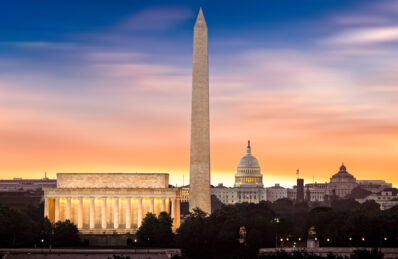
Later this month, Congress will vote on reauthorizing FISA Section 702 — a massive surveillance program that “incidentally” collects huge quantities of Americans’ personal communications. Any reauthorization must include reforms to protect the basic rights of Americans.

Our history is filled with figures who have shaped society, culture, and politics in fundamental ways. We teach our children about heroic figures like George Washington and Abraham Lincoln. But America’s story hasn’t only been written by famous presidents or generals. It has often been written by everyday people who confront something unfair, refuse to stand by, and take one small step to fix the injustices they see.
Geofence warrants raise new questions about whether modern surveillance complies with the Fourth Amendment’s protections.
The Comprehensive Congressional Budget Act will help members of Congress become more effective legislators. Some will specialize in coalition building, some in policy development, and others in communications. All will have more ways to develop their strengths.
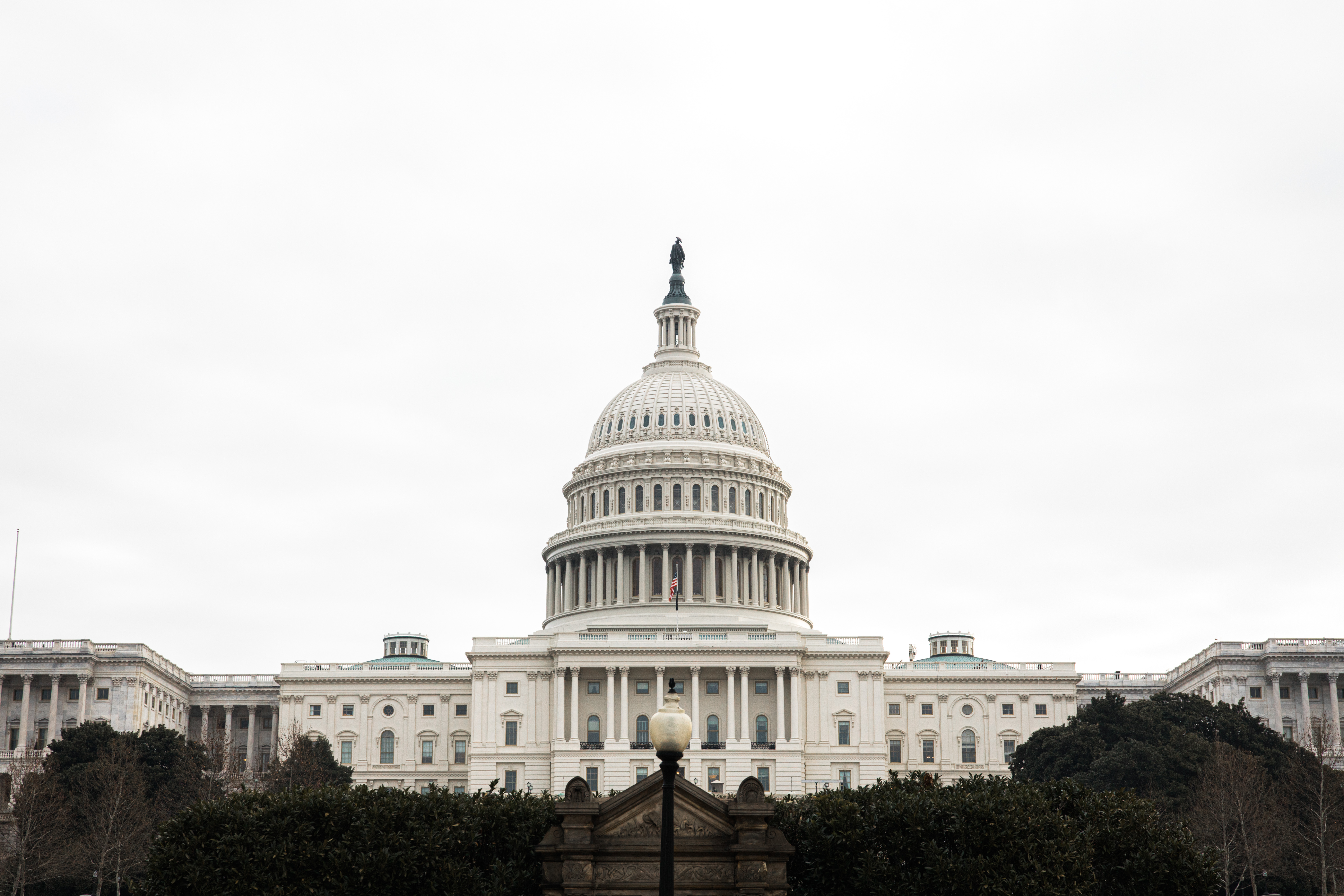
Section 702 of the Foreign Intelligence and Surveillance Act (FISA) allows intelligence agencies to collect the communications of targeted non-U.S. persons (individuals who are not American citizens and who are reasonably believed to be currently outside of the United States).
Right now, America has an opportunity to grow the economy and lower energy prices. As a great hockey coach once said, “Great moments are born from great opportunity.”