The word “socialism” has been misused for so long that many people no longer know what it means.
Some on the right use it as a criticism of higher taxes and more social spending. Some on the left point to programs like Medicare and Social Security as examples of socialism that works.
But socialism has an actual definition. It isn’t simply a description of government programs we like or dislike.
Socialism is an economic system in which much of the economy is publicly owned or controlled rather than privately owned.
Americans are facing real problems. Rent is too high. Groceries cost too much. Health care is out of reach for too many families.
As families look for relief, more government help can sound appealing. But what the Democratic Socialists of America are proposing isn’t simply temporary programs to help through a difficult time.
The DSA is calling for lasting changes to who actually owns and controls major parts of the economy.
Not every government program is socialism

America has had government programs for generations.
The federal government built the Interstate Highway System. States and communities run public schools. Social Security provides retirement benefits. Medicare helps older Americans pay for health care.
But private businesses still build and rent homes, stock grocery shelves, produce and deliver energy, and provide much of the health care Americans use.
Government doing something is not the same as socialism.
Neither is every instance of government ownership or control. There’s a difference between government intervention and government replacing private ownership across major parts of the economy.
Socialism is a system of government takeover: public ownership or control replacing private ownership across major parts of the economy.
What about Nordic countries?

Supporters of democratic socialism often point to Nordic countries like Denmark, Sweden, and Norway as proof that a larger welfare state can create prosperity. But that comparison blurs an important distinction.
Nordic countries do have high taxes, generous public benefits, and large welfare states.
But their economies still depend heavily on private businesses, private investment, market prices, and competition. In fact, Nordic countries rank among the more economically free countries in the world. The Fraser Institute’s 2025 Economic Freedom of the World report ranks Denmark ninth and Finland 15th.
The Nordic model combines a broad welfare state with a market-based economy — not government ownership of most businesses or industries.
That is also why Denmark’s former prime minister Lars Løkke Rasmussen pushed back on describing Denmark as a socialist planned economy, instead describing it as a market economy with an expanded welfare state.
What does the DSA actually want?
The DSA isn’t talking about higher taxes, a larger safety net, or stronger unions.
Its national program calls for “public ownership of the largest corporations and essential industries.”
And the DSA makes clear that this goes beyond a bigger welfare state. Its own website says its vision “pushes further than historic social democracy” and calls for collectively owning “the key economic drivers that dominate our lives,” including energy production and transportation.
Across several major issues, the DSA’s answer is to give government a much larger role in ownership and control.
What would that look like?
Higher taxes. Fewer choices. Less competition. More power in government hands.
Housing? Government builds it. Government prices it. And when fewer homes are built, families fight over them.
Groceries? Government owns the store. Taxpayers cover the losses. And when the family store down the street closes, choice, competition, and abundance go with it.

Health care? Government pays for it. Government runs it. And when Washington says no, there’s nowhere else to go.
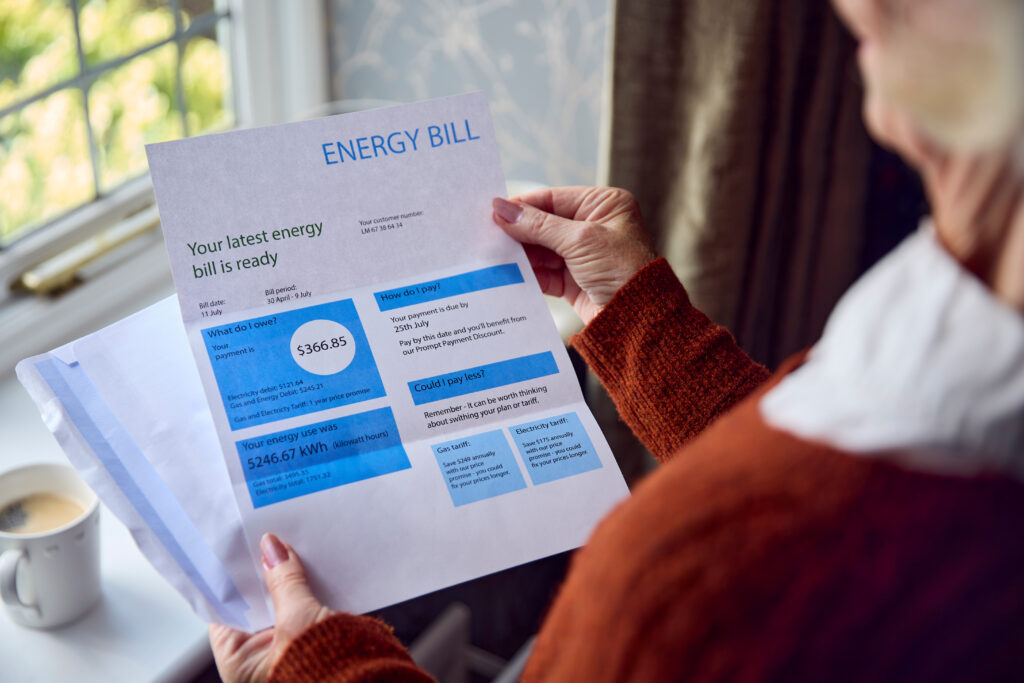
Energy? Government owns the power plant. Government controls the supply. Your energy bill is left to politicians and bureaucrats instead of competition.
This is about more than the definition of a word
Important debates are often sidetracked by arguments over labels. The larger question here isn’t how we define socialism. It’s how we solve the real problems Americans are facing.
The DSA’s agenda relies heavily on expanding government ownership and control as the answer to major economic problems.
Two hundred and fifty years of American history argue that there is a better way: more freedom to build, compete, innovate, and give people more choices.
See the proposals for yourself and learn more about the debate over socialism in America here.