Opening a small business means taking a risk.
William Glass knew that when he set out to open The Brewing Projekt in Wisconsin.
A Marine veteran and father of three, Will invested about $500,000 to secure a location, hire employees, and buy equipment. He was betting on an idea and his ability to turn that idea into a business.
Every small business owner has to take that first step with no guarantee that the investment will pay off.
For 250 years, freedom and opportunity have given Americans room to take those chances.
But a small business doesn’t run on good intentions alone. A successful one also depends on the ability to hire new workers and buy new equipment. And that often comes down to cost.
When entrepreneurs have the freedom to keep building, one person’s risk can become jobs, new services, stronger communities, and opportunity for others.
Here are four ways small businesses keep the American Dream alive.
1. Small businesses keep dreams alive through perseverance
Nobody would have blamed Will for cutting his losses and walking away.
He’d already invested heavily in The Brewing Projekt when Wisconsin regulators denied his brewery permit because his wife owned a bar. Will’s fight to open dragged on for years and cost his family hundreds of thousands of dollars.
But he never quit.
The American Dream has never been about guaranteed success. It’s about having the freedom to pursue an idea, take risks, overcome setbacks, and keep building.
Will believed enough in his idea to fight for the chance to make it real. And later, he partnered with Americans for Prosperity to help change Wisconsin’s rules so other entrepreneurs wouldn’t have to face the same obstacles.
Small business owners keep the American Dream alive every time they choose to keep going when the easier option would be to quit.
2. Small businesses create opportunity for others
Opening a small business might start with one person, but the opportunities spread far beyond the owner.
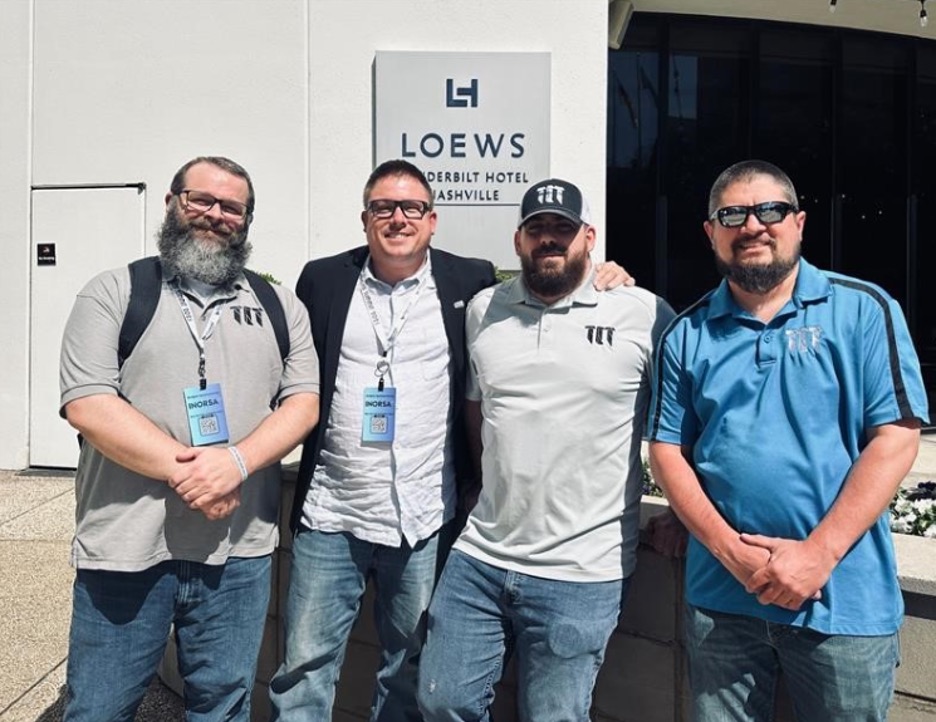
Chris Thomas built Tri County Tower, a communications infrastructure company in North Jackson, Ohio. As his business grew, he consistently invested in the people who helped build it.
After the 2017 tax cuts gave his business more room to invest, Chris increased wages, expanded benefits, and provided technical training for his employees.
That’s what small business growth can look like in real life — a better paycheck, new skills, better equipment, a first job, or a chance for someone to build a career and support a family.
When a business has more room to invest, the opportunity doesn’t stop with the owner. It can create new possibilities for the people who work there, too.
The American Dream can be the freedom to build a better life for yourself. Small businesses show how quickly that opportunity can spread to others.
3. Small businesses invest in the future
For William Thiele, investing in the future meant a new grain bin for his family dairy farm in Butler, Pennsylvania.
For years, William wanted to make the investment, but the numbers did not add up. While the grain bin could make his farm more efficient, paying for it would have tied up money he needed to keep the business running.
Then, 100% expensing made it possible for him to deduct the cost of the equipment immediately rather than spreading it out over years.
So he built it.
The new grain bin gave his farm more storage capacity, reduced waste, and gave William more flexibility to bring products to market when the timing made the most sense.
Small businesses make similar calculations every day. An opportunity to expand, hire, or improve a business might exist, but it doesn’t matter if it doesn’t fit the budget.
When the cost of essentials like equipment, energy, financing, or transportation goes up, the room for new investment goes down.
Small businesses don’t just preserve what already exists. They buy new equipment, improve operations, solve problems, and create a stronger foundation for the next generation.
When entrepreneurs have the freedom and opportunity to invest in their ideas, they can build something more durable for their families, employees, and communities.
4. Small businesses strengthen their communities
A small business can become more than a place to shop or work. Over time, it can become part of the community itself.
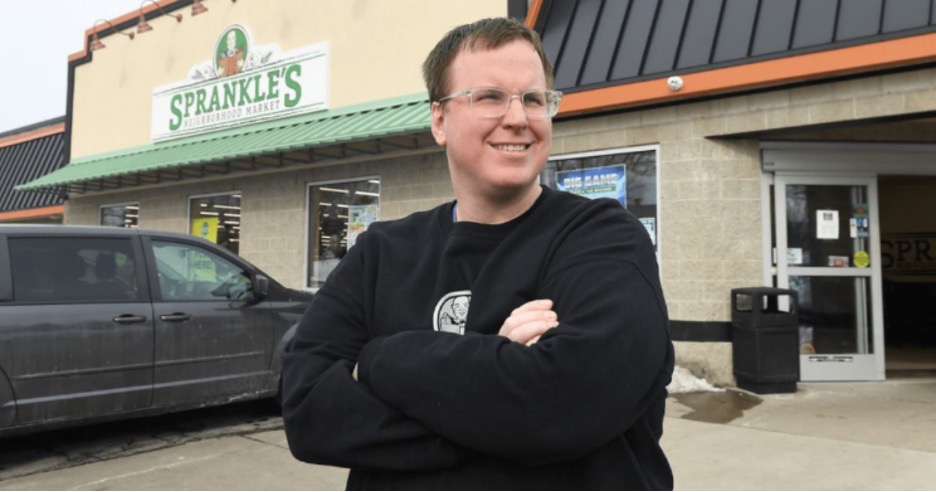
Sprankle’s Neighborhood Market is one example.
Doug Sprankle is a second-generation grocer. His father opened the family’s first market in 1998 with an investment of just $1 down and $1,000 a week for 10 years. Two decades later, Doug carried that legacy forward when he was entrusted with opening the family’s third and largest store in Saxonburg, Pennsylvania.
Today, Sprankle’s operates two stores and employs 70 people. But its impact goes beyond jobs.
The business buys from local farms, supports other small businesses, sponsors community events, and has helped provide equipment for local police. Its annual charitable giving has topped $100,000.
That is what can happen when a small business puts down roots: Neighbors find work, local producers find customers, community groups find support, and one generation can build on the opportunity created by the generation before it.
Recognize a small business keeping the American Dream alive
Small businesses keep the American Dream alive by taking risks, creating opportunity, investing in the future, and strengthening the places they call home.
Freedom gives entrepreneurs the chance to build. But behind every small business story are real decisions about what a business can afford to invest in, whether it can hire, and where it can grow next.
Those decisions affect more than the business itself. They can shape jobs, opportunity, and the strength of the community.
Chances are, there is a small business owner in your community making those choices every day.
Take a short survey and tell us what you think is making it harder for small businesses in your community to start, grow, hire, or invest.