Americans need affordable and dependable energy to run their lives and businesses, and it’s no secret that energy costs are climbing.
There are real solutions to this problem that don’t involve more government control.
The Democratic Socialists of America want to expand public ownership of America’s energy infrastructure, putting more decisions about energy production and investment in government hands.
The DSA also wants to phase out fossil fuels even if it the alternatives leave Americans paying more for less reliable energy.
That raises practical questions. Who would make decisions about electricity production? Who would pay for new infrastructure? And what would happen to prices and reliability?
Public ownership changes who controls energy production
America gets its electricity from investor-owned utilities, municipal utilities, cooperatives, and other providers.
Private utilities operate under government regulations, including rules governing electricity rates and reliability.
By contrast, public ownership gives the government ownership and control of energy infrastructure.
It also means bureaucrats would have greater control over budgets, infrastructure investments, and long-term planning.
You’d be right to worry that, under public ownership, decisions would be driven by political priorities rather than efficiency and customer satisfaction.
Government-owned utilities face different financial pressures

Private energy companies have financial reasons to keep costs down and invest in energy infrastructure in their community.
Poor decisions reduce profits and threaten a company’s survival. The company owner knows that if their business fails, they risk losing it.
Government-owned utilities don’t have those pressures. Public officials often have more freedom to pursue projects that improve their re-election chances or benefit politically connected businesses and individuals.
It also raises several questions:
- Costs: Who pays when a utility spends more than it collects?
- Reliability: How does Washington decide which projects need funding?
- Competition: How can a government-run energy company run efficiently without competition?
South Africa shows the consequences of state-run power
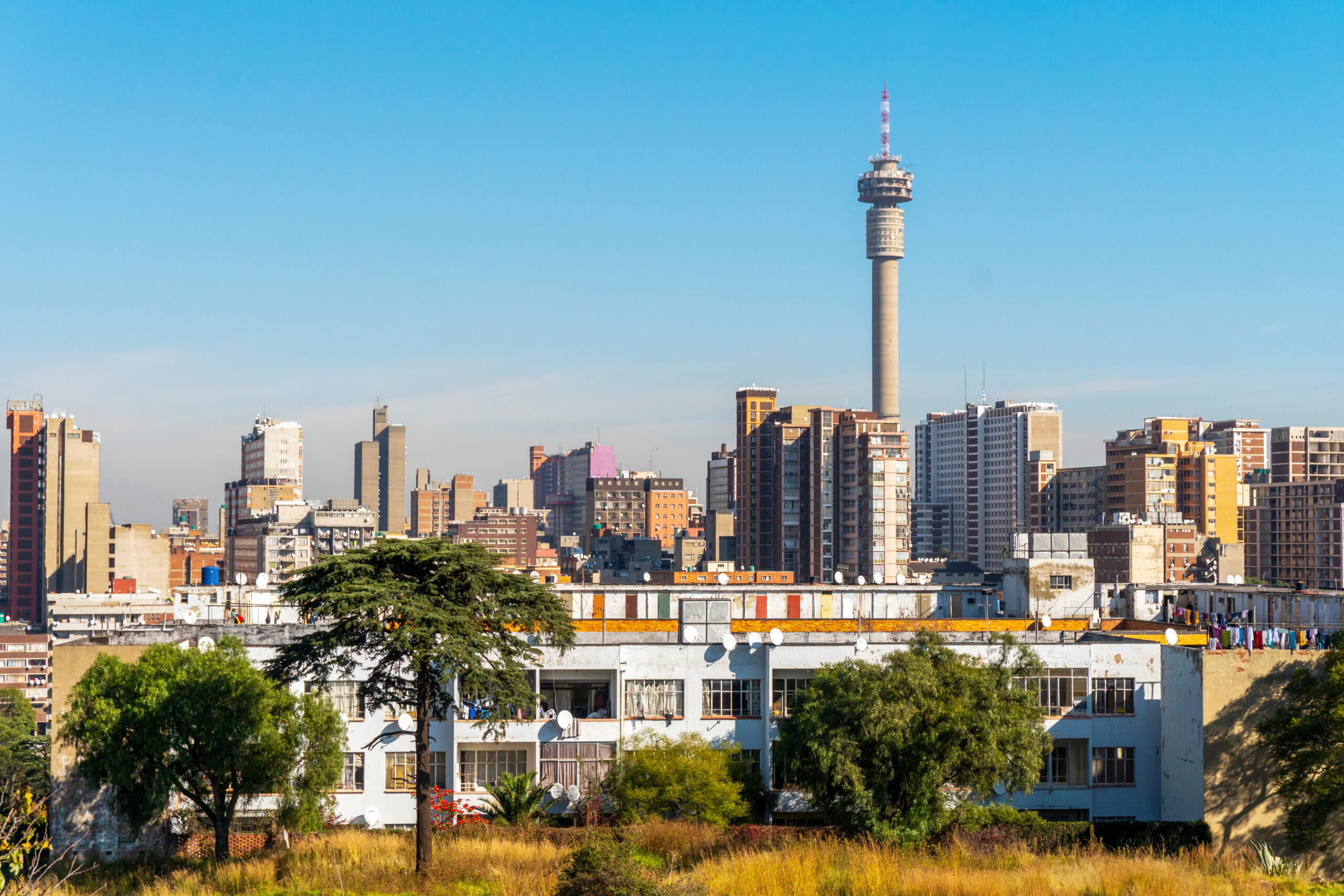
For decades, South Africa relied heavily on Eskom, its state-owned electricity company.
Poor management, corruption, aging equipment, and insufficient investment contributed to years of blackouts and electricity shortages.
In fact, in 2022, scheduled power cuts averaged roughly eight hours a day.
Households lost power, factories faced production interruptions, and businesses spent money on backup electricity.
South Africa subsequently pursued reforms to expand private electricity generation and reduce dependence on Eskom.
The turnaround has been dramatic.
By May 2026, South Africa had gone 365 consecutive days without nationwide scheduled power cuts.
Expanded private investment helped increase electricity supply, with private producers facing financial incentives to deliver reliable power.
The result is a clear example of how opening an electricity market to more producers helps improve reliability for everyday citizens.
America’s growing energy needs add another challenge
Electricity demand is increasing as data centers, manufacturers, and other businesses expand.
Meeting that demand requires more generation, transmission infrastructure, and dependable electricity supplies.
Vast government permitting rules already make it costly and time-consuming to build new infrastructure. These delays and increased costs eventually show up at the gas pump or on your energy bill.
DSA’s proposed fossil-fuel phaseout would require replacing a substantial share of existing electricity generation.
That means higher costs and less-efficient energy.
Rather than letting each community and business choose the energy that makes sense for them, the DSA agenda seeks to impose top-down solutions on all Americans.
What would public ownership mean for your electric bill?
Government ownership changes who makes energy decisions and who pays when those decisions go wrong. When publicly owned utilities make costly mistakes, taxpayers end up footing the bill
DSA’s proposal would remove incentives to keep costs down, reduce efficiency, and give government more control over energy decisions.
There’s a different approach that enables abundance and efficiency.
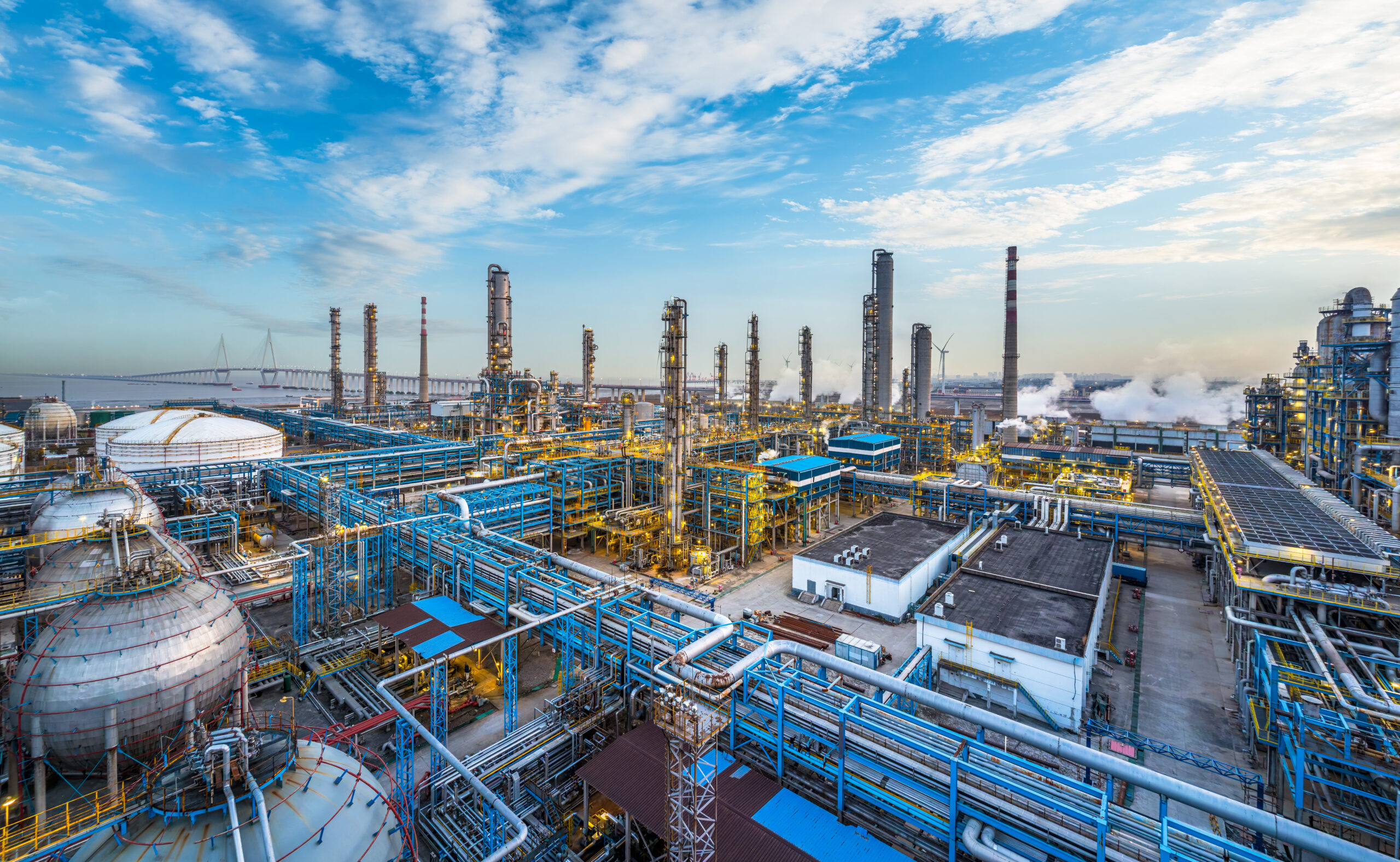
Decisions about who owns and controls America’s energy infrastructure shouldn’t be made without citizens having a say.
If you’re worried about the DSA’s harmful proposals and socialism taking hold in America, sign up to join us in our fight against socialism.