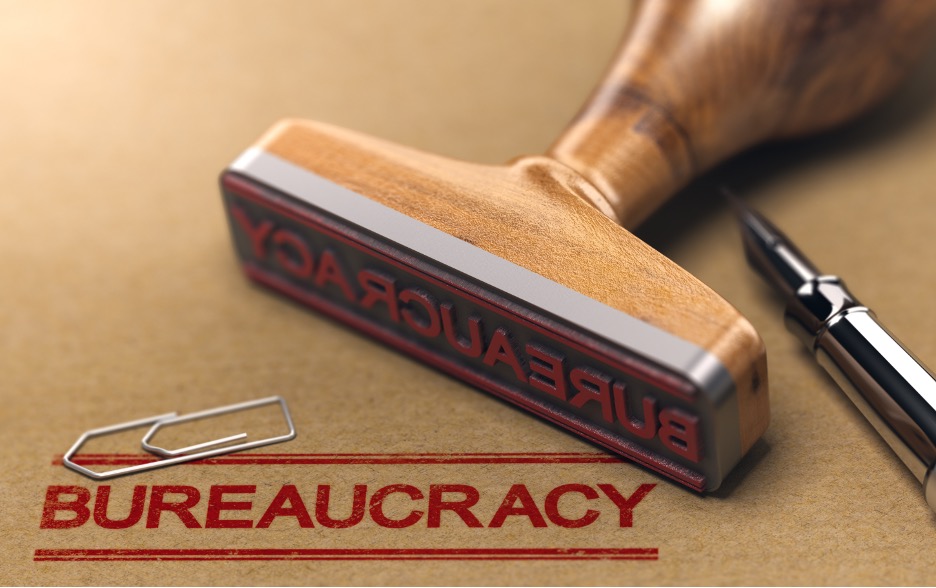
You might not think about government red tape every day, but it affects the prices you pay and the opportunities available to you.
Regulations are meant to create barriers — that’s their job. Sometimes these barriers work well, creating standards that ensure health and safety.
But just as often, these rules limit choices and pick winners and losers in the marketplace. When regulations try to dictate outcomes rather than letting the marketplace work, they affect your everyday life in meaningful ways.
Let’s explore a few ways red tape in government can harm as much as help. But first, let’s define “red tape.”
What is red tape in government?
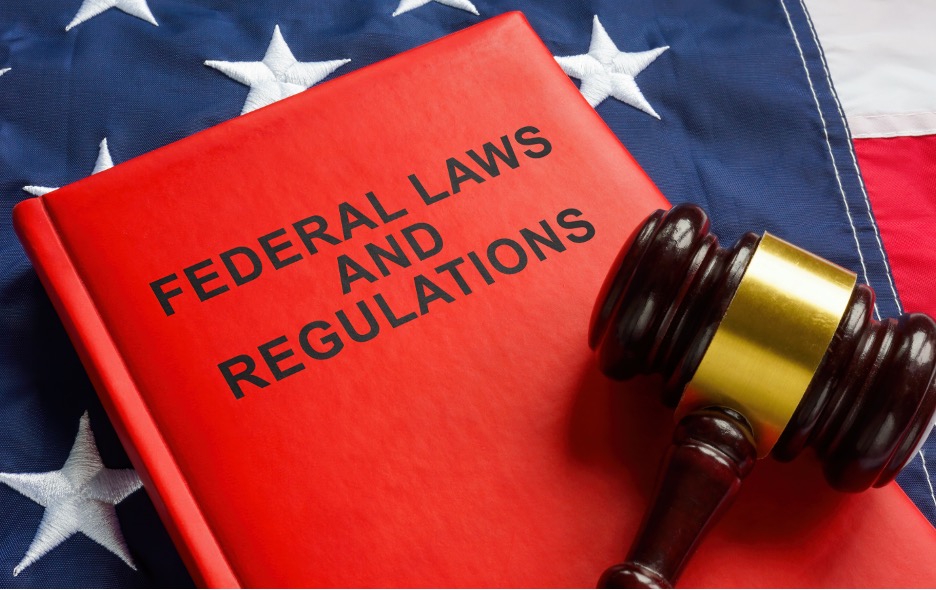
The term “red tape” dates back centuries. It generally refers to excessive government rules, regulations, and administrative burdens.
“Excessive” means going beyond what is needed to secure the general welfare and well-being of citizens. Some regulations are necessary, but not all serve an important purpose. And often, it’s not your elected lawmakers who write them.
They are written by bureaucrats you may never meet or have a chance to engage with.
The idea of red tape may seem abstract, but its effects are not. It’s estimated that federal government rules alone cost nearly $2 trillion annually, or 9% of U.S. gross domestic product.
Broken down by household, that’s between $16,000 and $23,000 each year.
Red tape in government raises the prices of:
- Buying and maintaining your home
- Powering your home, commuting to work, and getting where you need to go
- Buying the food you eat and the clothes you wear
Government rules and regulations also make it harder for Americans to start and run small businesses. They can even make it harder for you to work from home or have a flexible work schedule that best suits you and your family.
How government red tape raises prices

Government red tape affects your wallet by making it harder to build homes, produce energy, start businesses, and bring new ideas to market.
Consider home prices.
Too many Americans can’t afford to buy or even rent a home because not enough homes are being built to meet the needs of our growing population.
The answer isn’t to stop growing. It’s to eliminate the restrictive zoning rules, long permitting timelines, and other barriers that have made it harder and more expensive to build.
Until more homes are built, housing affordability will remain a challenge for millions of Americans.
Rules that restrict supply also raise energy costs and restrict access to the power your homes need.
The United States has abundant energy resources, but permitting delays and infrastructure barriers can prevent energy projects from ever getting off the ground.
While Americans must remain good stewards of our natural resources, our leaders in Washington and in statehouses across the country need to cut government red tape so that responsible energy developers can build the infrastructure we need to power everyday life.
Red tape in government also makes it harder for you to work.
This country has flourished for centuries because hardworking people found ways to add value for themselves, their communities, and their fellow Americans.
But that path to achieving the American Dream has become much more difficult to follow.
More than 179 licenses and regulations restrict where and how Americans can work. Uber drivers, construction workers, freelancers, and countless independent workers all must navigate a mountain of legal barriers that can delay or prevent them from earning a living in the way that’s best for them and their families.
These restrictions hurt everyone, not just business owners.
That’s because prices rise when the government restricts supply and delays investment, and high compliance costs can push out smaller competitors and new businesses before they get started.
We need reforms that will allow people to chase their dreams without all the red tape.
Cutting red tape will make life more affordable
Red tape isn’t just an abstract concept. It’s a real problem that slows innovation, erodes your ability to work, and raises the prices you pay for homes, groceries, and energy.
There are dozens of ways that federal and state policymakers can reduce government red tape, but here are just three:
- Adopt the REINS Act, which would require legislative approval for major regulations, ensuring costly rules receive democratic oversight.
- Require regular reviews of existing regulations to make sure they are still relevant.
- Make sure government agencies cannot issue binding rules based on broad or vague statutory purposes, and make sure these agencies have specific rulemaking authority granted by the legislature.
Want to learn more about government overreach and its effect on your wallet?
Read Americans for Prosperity’s plan to lower costs.