Recent News

Tuesday, a three-judge panel heard oral arguments in a case challenging the constitutionality of North Carolina’s certificate of need (CON) statute — a law that artificially limits the supply of health care to protect politically proficient providers from competition.
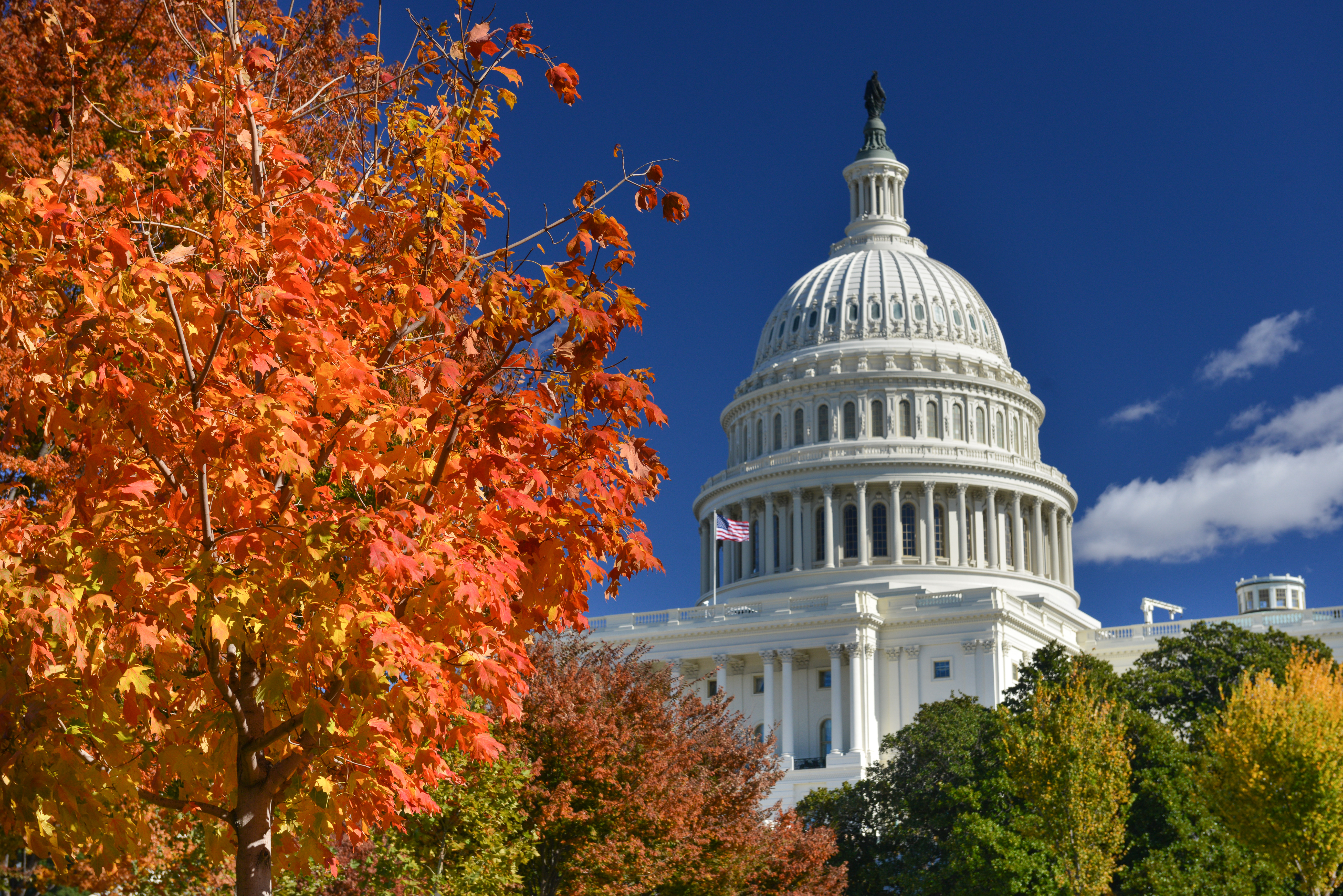
On Thursday, the House Committee on Natural Resources is holding a markup of the SPEED Act, a permitting reform bill introduced by Reps. Bruce Westerman (R) and Jared Golden (D), that will help ensure we clear the way for energy that is affordable, reliable, and produced in abundance here in America.
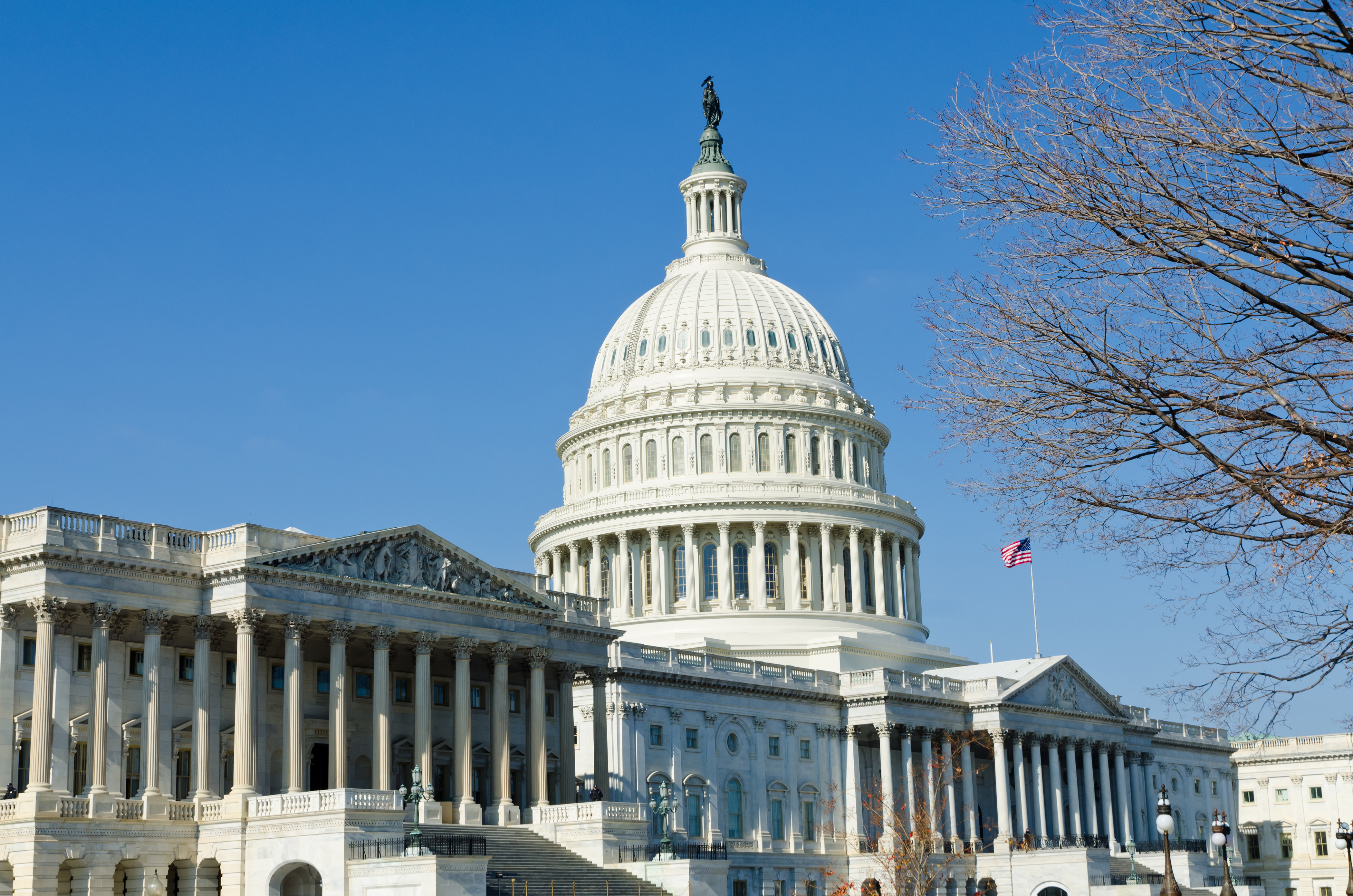
“Oversight of the Congressional Budget Office” (“CBO”) is the subject of today’s House Budget Committee hearing. CBO exists to reduce Congress’ dependence on the executive branch for budget and economic analysis.

On November 10, 2025, Senate Health, Education, Labor and Pensions (HELP) Chairman Bill Cassidy (LA) announced a new pro worker labor reform agenda, which also includes legislation introduced by Senators Tim Scott (SC) and Tommy Tuberville (AL). This follows two labor law reform committee hearings on October 8 and 22, 2025 discussing the need for more choice and transparency for workers.

On October 29, the United States announced that it would reduce its military presence in Romania by roughly 800 troops. This modest adjustment drew backlash from lawmakers on both sides of the aisle, contending that it sends the wrong signal and appeases Russian President Vladimir Putin.

Guidance documents impose hidden mandates on Americans. The GOOD Act would provide much needed transparency.

North Carolina has joined seventeen other states in ending a long-standing practice in which judges deferred to a state agency’s interpretation of their own handling of regulations. On October 17th, the North Carolina Supreme Court ruled against judicial deference in Alvin Mitchell v. The University of North Carolina Board of Governors.

Patients across the nation are suffering from artificial scarcity in health care. Montana’s success demonstrates that regulatory relief expands access and lowers costs.

One of the keys to economic growth is individual savings. When people set aside a portion of their earnings, they not only create a more secure future for themselves but also one for the nation as a whole.