Recent News
“Oversight of the Congressional Budget Office” (“CBO”) is the subject of today’s House Budget Committee hearing. CBO exists to reduce Congress’ dependence on the executive branch for budget and economic analysis.


One of the keys to economic growth is individual savings. When people set aside a portion of their earnings, they not only create a more secure future for themselves but also one for the nation as a whole.
As the nation grapples with fiscal challenges over the next decade the need for citizens to be informed as to both the costs and benefits of government will become increasingly important.
Congress’ annual policy work depends on timely information from the president’s budget request and national security strategy, and both are due in early February each year. Congress could refrain from inviting the president to give the State of the Union address until it receives those materials.
During the current shutdown, the IRS intends to keep all its employees on the job – at least until tomorrow.2 After that, it is uncertain what will occur.
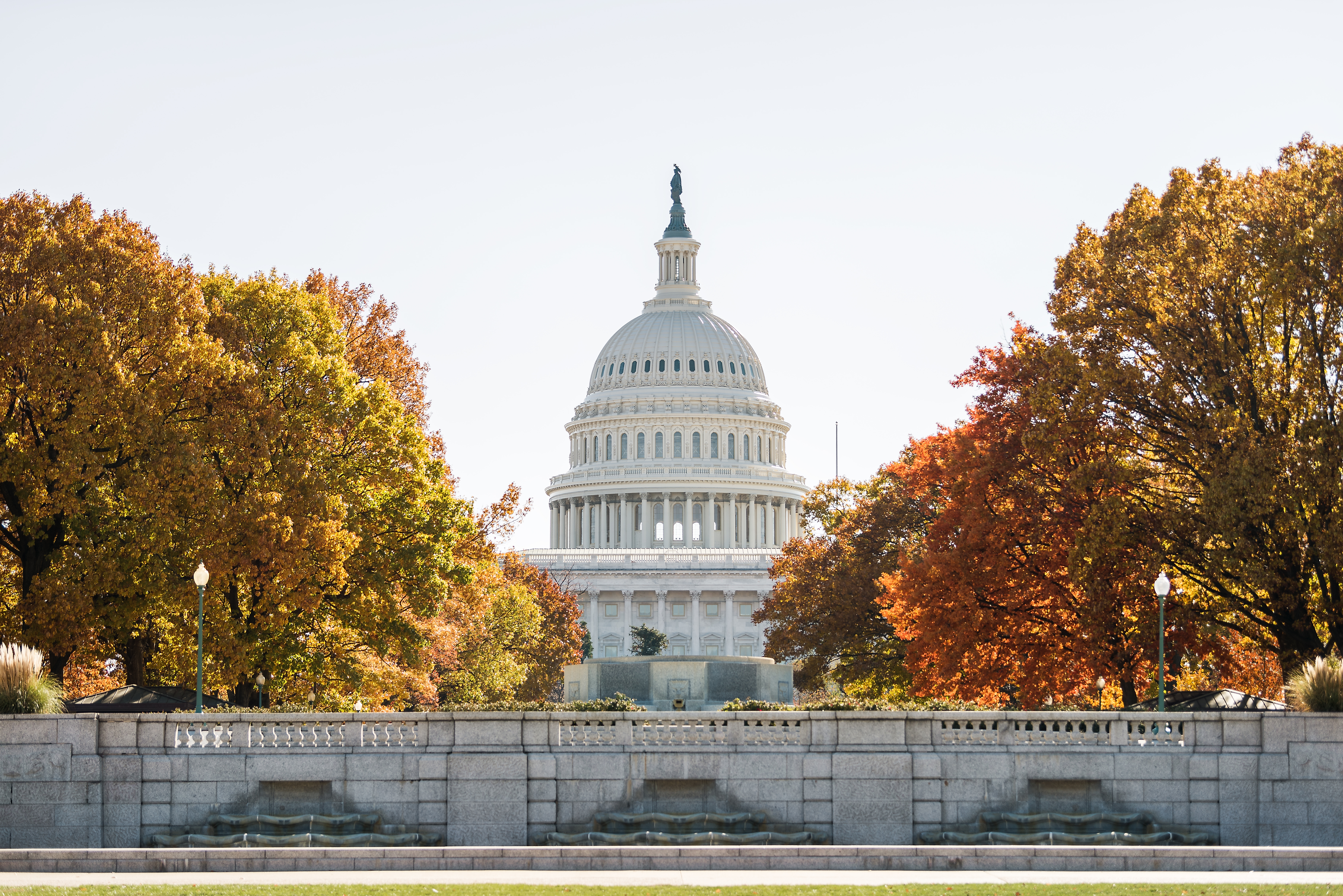
Ending shutdowns is a step toward effective Congress-led budgeting.
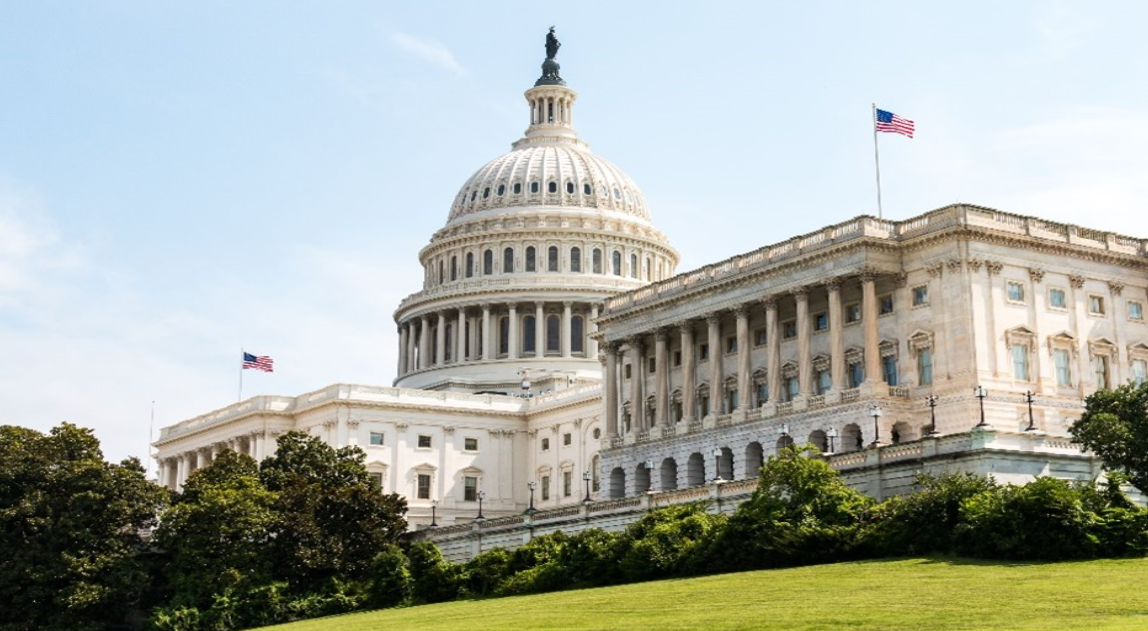
Balanced budget rules are normal and necessary.
Constitutional and statutory rules for budget balance are standard in U.S. states and in other prosperous countries. To restore sound finances and inspire more bottom-up, effective, and comprehensive budgeting, the United States should adopt this global best practice. A robust competition between BBAs in the House is the place to start.