The passage of time and the changing of generations shouldn’t diminish our obligation to remember Americans who lost their lives in military service. Their service and sacrifice deserve to be honored, and that requires intentional acts of remembrance.
Memorial Day gives Americans an opportunity to pause, honor the fallen, and recommit to the principles and responsibilities that have shaped the nation since its founding.
The fact is that their sacrifice deserves more than one day of recognition each year. And yet, for many Americans, Memorial Day has become associated more with the start of summer, picnics, travel, and time off with family and friends.
This year, as the country nears its 250th anniversary, we can mark Memorial Day with intentional reflection. One way to honor the fallen and express gratitude for their sacrifice is by renewing our shared commitment to the principles upon which the nation was founded, including freedom, responsibility, and government by and for the people, through acts like reciting the Pledge of Allegiance.
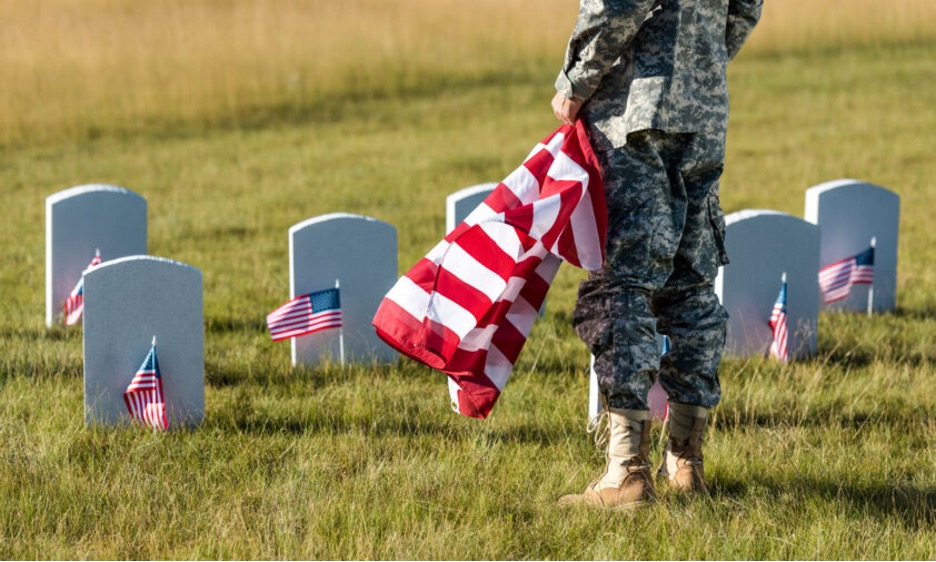
Why we preserve their memories
Rituals like Memorial Day do more than preserve memories — they help pass on to future generations the principles and ideals on which the country was founded.
They remind us that war carries real human costs. That service involves duty and sacrifice. And that a free society depends on citizens who are willing to contribute to something larger than themselves.
From the beginning of our country’s story, everyday Americans have answered the call to serve the country and their communities. In doing so, they have helped shape traditions of responsibility, self-sacrifice, and civic participation that remain central to American life today.
Preserving those traditions requires more than admiration for the past. It requires citizens who are willing to carry those values forward in their own communities and daily lives.
Remembrance requires participation
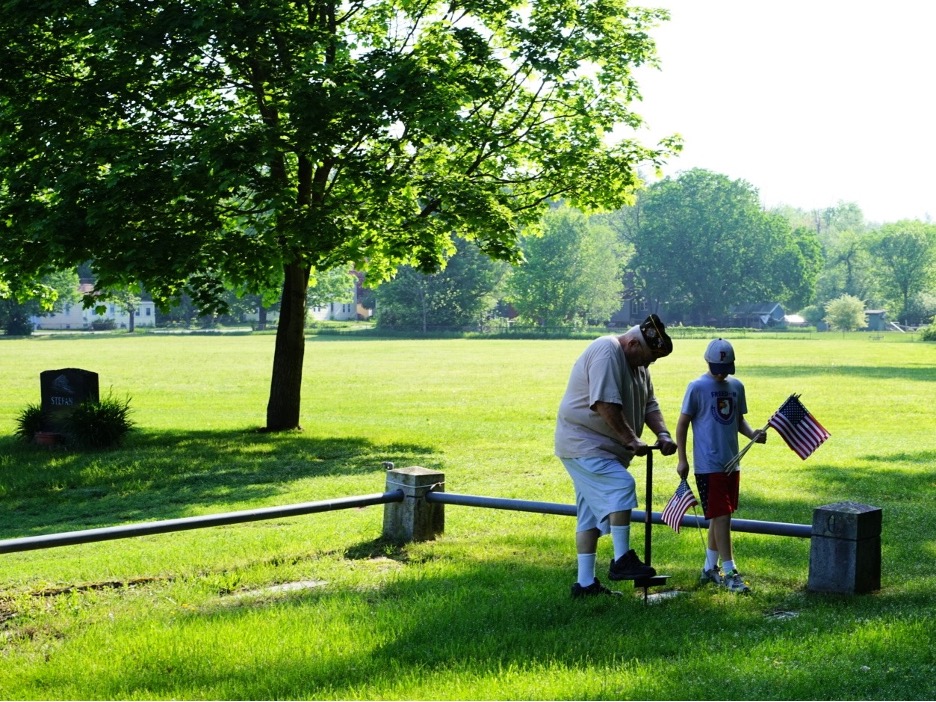
Remembrance isn’t passive. The principles that shaped the country endure only when each generation chooses to carry them forward.
Memorial Day gives us chances to do that in small but meaningful ways: learning the story of someone who served, taking time to reflect on lives lost in military service, and recommitting ourselves to the principles that helped shape our country.
It also gives us a moment to slow down our busy schedules and focus on something greater than ourselves.
That kind of remembrance requires intention. Without it, Memorial Day is just another holiday.
One way to put that remembrance into practice is by reciting the Pledge of Allegiance. In a moment when so much competes for our attention, taking even a brief pause to reflect on the country, its history, its founding ideals, and those who gave their lives in military service can help keep the meaning of Memorial Day from fading.
We remember. The question is whether we carry that memory forward.