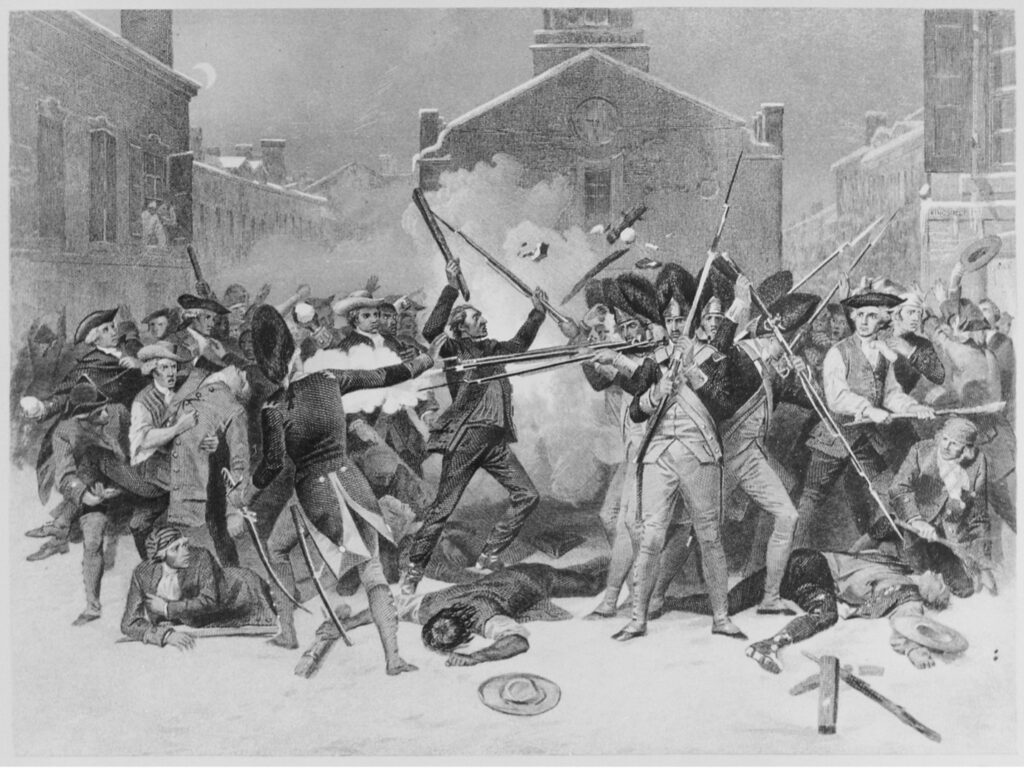
On March 5, 1770, tensions between the American colonists and the British boiled over in Boston.
British troops were stationed in the major port city to enforce crippling new taxes and trade regulations.
Colonists saw the soldiers as an occupying force.
The situation grew more volatile after a British customs officer killed Christopher Seider, an 11-year-old boy, during a protest. His funeral drew thousands and sparked anger toward the British.
By early March, the city was on edge, and British soldiers, surrounded by an angry crowd, opened fire. When the smoke cleared, five colonists lay dead.
Thousands lined the streets for their funeral. A procession stretched nearly 2 miles through Boston — a powerful show of unity and righteous anger.
Many demanded justice. Others demanded revenge. In that moment, the future of liberty was being tested.
Would it survive in the face of outrage?
John Adams stepped forward when many others would not
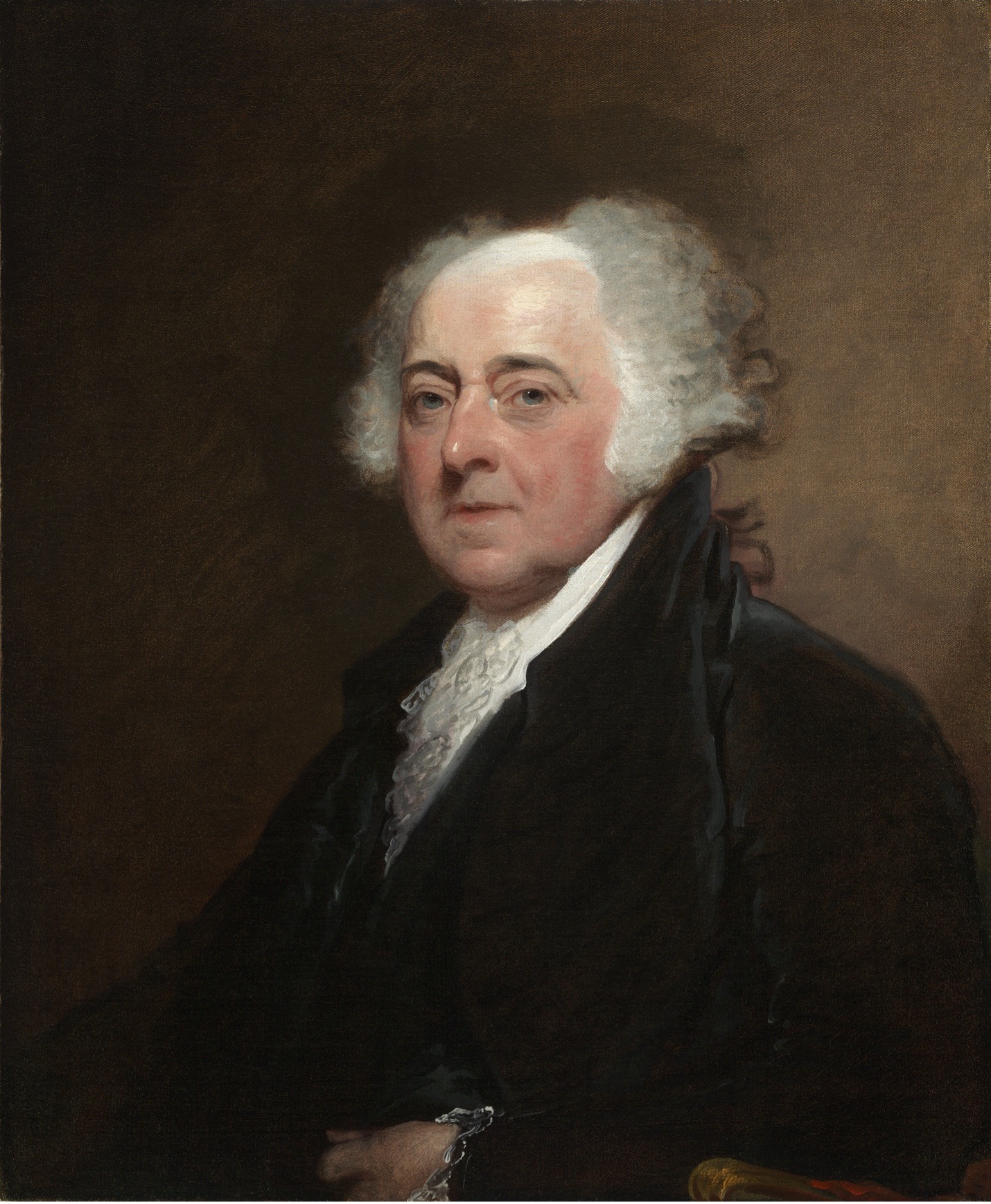
John Adams wasn’t a loyalist. He opposed British policies and believed Parliament had gone too far. Like many colonists, he supported the cause of American liberty.
Defending the British was a risky choice. Adams knew it could anger other colonists and damage his reputation. But there was something bigger at stake. If the colonies claimed to stand for liberty, they had to prove it by upholding the law.
In court, Adams didn’t justify British rule. He defended justice and urged the jury to focus on the evidence, not their emotions.
The facts showed chaos: The crowd had assaulted the soldiers with rocks, and the situation spiraled quickly.
Adams reminded the jury that justice must rest on facts because “facts are stubborn things.”
The jury agreed. Most of the soldiers were acquitted. Just two were convicted of manslaughter instead of murder.
Liberty requires discipline
The result mattered far beyond Boston.
At a time of rising tension and uncertainty, the colonists chose the rule of law over anger. That choice wasn’t easy, and it’s the same kind of choice free societies still face today.
That decision strengthened their cause. It demonstrated that Americans were capable of ruling by principle rather than by mobs.
And Adams showed that liberty requires discipline just as much as it requires defiance of tyranny.
Before free people can challenge injustice, they must prove they can govern themselves. That responsibility doesn’t belong to leaders alone — it belongs to every citizen.
That means upholding:
- Due process
- Restraint
- Equality under the law
A system built on the rule of law protects everyone. It ensures that power follows the law and that justice remains consistent — even in hard moments.
Why it matters today
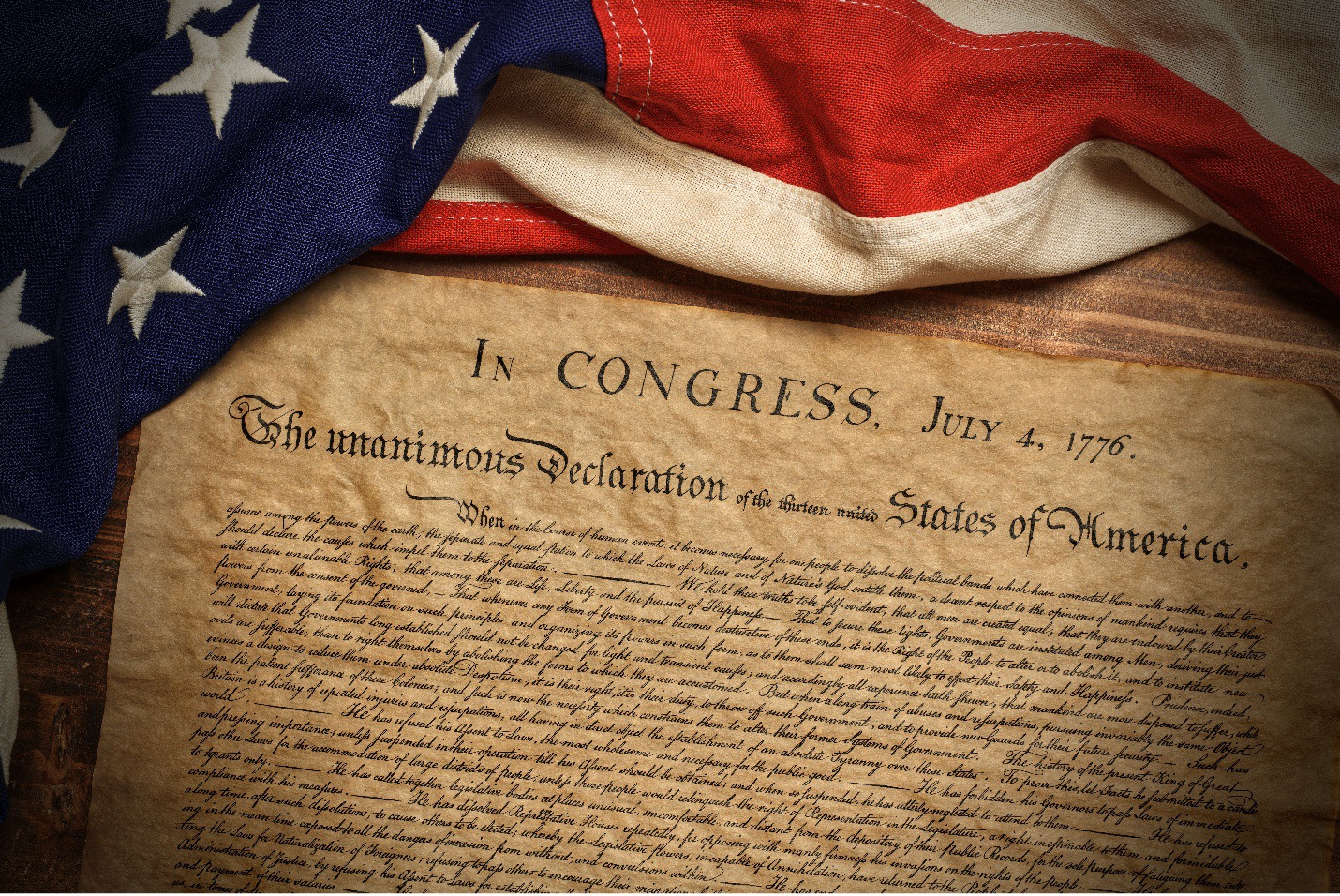
That principle still matters — especially when emotions run high and the pressure to act quickly is strongest. The rule of law protects you most in the moments when it would be easiest to ignore it.
We see it in debates about the limits of government power and in court cases that reinforce the role of clearly written laws.
Recent Supreme Court decisions, including Loper Bright, have reinforced this idea. Under our system of separated powers, Congress writes the laws, and executive branch agencies can’t expand their authority without clear permission from Congress.
Justice Antonin Scalia often emphasized that freedom depends on these limits. When laws are applied as written, and power is checked, citizens are protected.
That effort continues today. That’s why Americans for Prosperity, alongside our partners across the country, is working to ensure government stays within its proper role and that the rule of law is respected.
Because liberty isn’t just about resisting tyranny — it’s about self-government and equality under the law.
Carry the principle forward
The Boston Massacre reminds us that liberty is tested in hard moments.
John Adams chose principle over popularity. He stood for justice when it would have been easier to go with the crowd.
Liberty depends on citizens who value fairness, respect limits on power, and are willing to stand for what’s right.
Now it’s your turn to take one small step. Who in your life — or in our history — embodies the fight for liberty?
Record a short video and share their story. Tell us why their example still matters today — and what it means for the freedoms we must defend.
Take your One Small Step and add your voice for liberty.
Want more ways to take your next step? Explore the full One Small Step 250th anniversary toolkit.