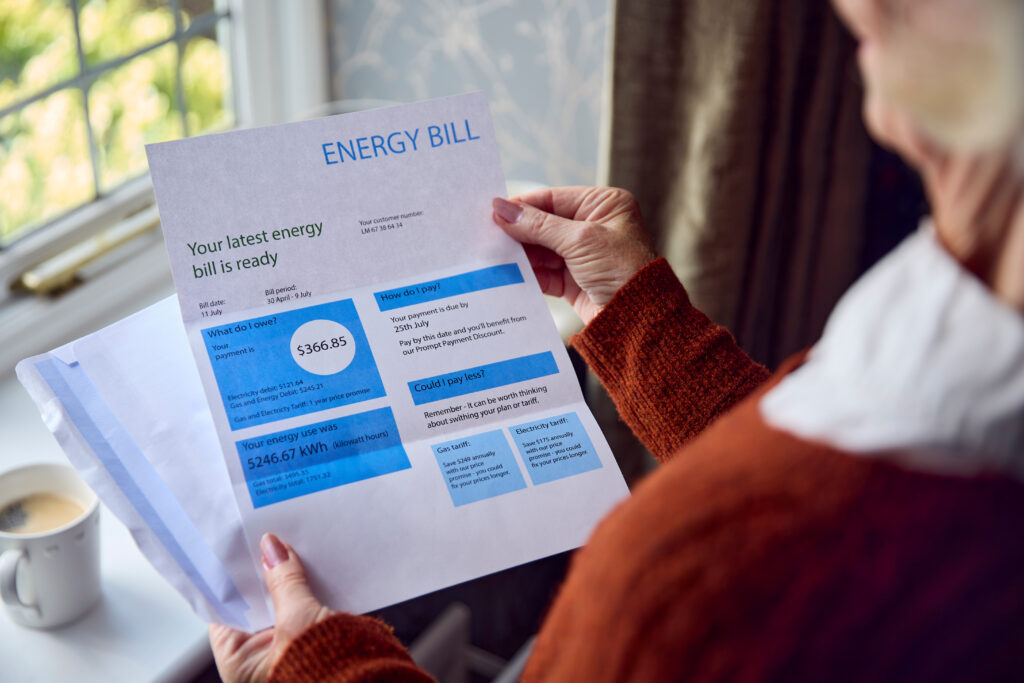
Across America, people are working hard, paying their bills, and doing everything they were told would help them get ahead. Yet rent keeps consuming more of the monthly budget, buying a first home feels increasingly out of reach, and families are forced to spend more for fewer options.
It’s not because Americans stopped working hard. It’s because the system has made it too difficult and expensive to build the homes people need.
That’s why America needs the freedom to build.
When government limits housing through costly, burdensome regulations or restrictive zoning requirements, supply struggles to keep pace with demand. Families are left competing for fewer homes at higher prices.
When those barriers come down, builders can create more choices — and competition can help bring costs down.
To lower housing costs, we have to build more
When people want more of something but government prevents more from being produced, it becomes more expensive.
Many local governments restrict where homes can be built, how many homes can share a property, and what kinds of homes are allowed. Lengthy permitting processes can add even more time and costs for builders, who then pass those costs on to buyers and renters.
These barriers do not eliminate the demand for housing. They simply drive up costs.
Removing unnecessary restrictions allows builders to add apartments, townhomes, starter homes, and other options that fit different budgets. More choices mean less competition for each available home, and less pressure pushing prices upward.
This isn’t just a theory. American communities are showing what can happen when people have greater freedom to build.
Austin built more and saw results

Austin, Texas, shows what can happen when a growing city stops treating every new home as a problem: Builders build, renters gain choices, and price pressure begins to ease.
For years, Austin attracted new residents and jobs faster than it added housing. From 2010 to 2019, rents rose nearly 93%.
Austin responded by adopting a series of reforms intended to encourage construction. The city reduced parking requirements, made some development approvals easier, and allowed more homes to be built in more places.
Builders responded. Austin’s housing stock grew by roughly 120,000 units between 2015 and 2024 — an increase of about 30%.
As that new supply reached the market, renters gained more choices, and the market gained needed competition. Median rents ultimately fell more than 10% from their 2021 peak.
Austin’s experience does not mean zoning reform is all that matters. Interest rates, migration, and construction costs are still important.
But it demonstrates an important principle: When a growing community allows enough homes to be built, affordability can improve.
Minneapolis made room for growth

Minneapolis offers another useful lesson.
Beginning in 2009, the city gradually removed minimum parking requirements, allowed accessory dwelling units, reduced minimum lot sizes, and reformed other restrictions that made housing harder to build.
New construction increased. From 2017 to 2022, Minneapolis added housing while rents rose only about 1%. Across the rest of Minnesota, rents increased roughly 14% during the same period.
One zoning change didn’t solve everything. But Minneapolis shows us that communities don’t have to accept rapidly rising rents as inevitable. Allowing more homes to be built gives families more options.
We have two choices
We face a choice between two approaches. One responds to high housing costs with more subsidies, more controls, and more government management of scarcity. The other removes the barriers that created the shortage and allows Americans to build the homes people need.
One system defaults to “no.” The other makes it possible to say “yes” to new homes, new businesses, and a more affordable future.
Across the country, state leaders took meaningful steps in 2025 to make housing easier to build. Read Americans for Prosperity’s list of 2025 housing wins and see how removing barriers can help put the American Dream within reach for more families.
You can be part of the solution.
Local and state leaders must remove zoning and permitting barriers, and Congress should stop adding federal mandates that increase construction costs and delay new housing. Tell Congress to remove barriers that make housing, energy, and essential infrastructure more expensive.