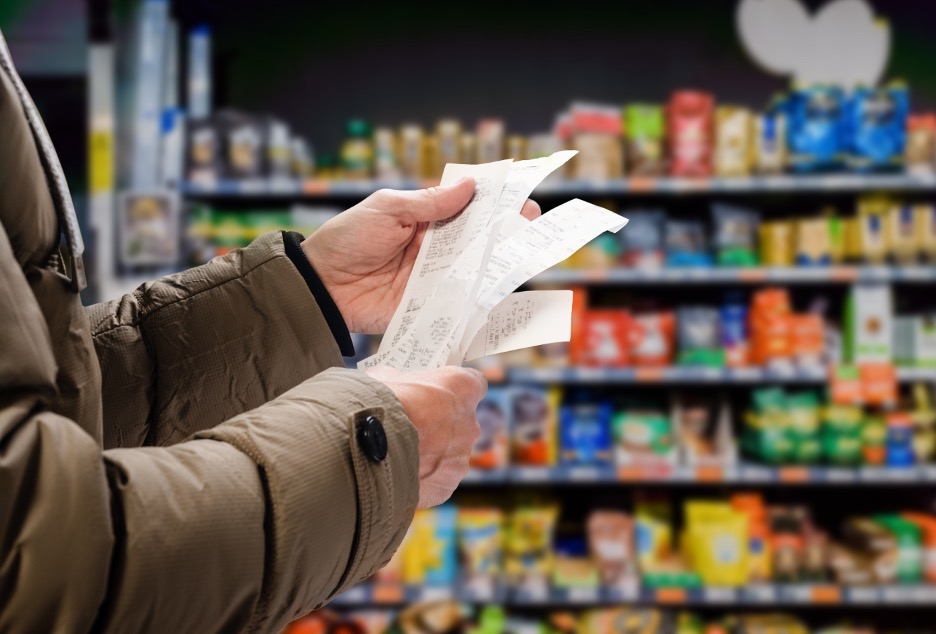
Groceries cost too much for many families.
Food has to be grown, processed, transported, refrigerated, stocked, and sold. Every step comes with costs that affect the price you pay at checkout.
Some elected officials have proposed government-run grocery stores that offer lower prices as the solution.
But lowering the shelf price isn’t the same as lowering the item’s underlying cost.
Real affordability comes from making it less expensive to produce, move, stock, and sell food while giving more businesses the opportunity to compete for customers.
A lower price doesn’t mean a lower cost
A government-run grocery store might charge less for some items.
But if the store sells groceries for less than it costs to provide them, the difference doesn’t disappear. Someone still has to pay it.
A private business that sells products for less than they cost won’t survive for long. A government-run store has another option: use taxpayer dollars to cover the gap.
Competition and choices lower grocery prices
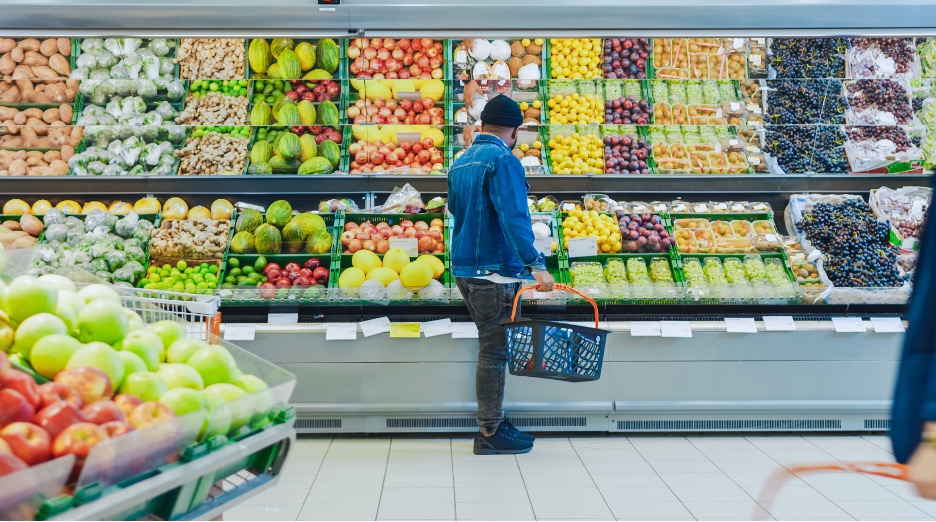
Government doesn’t need to run grocery stores to make groceries more affordable.
It can start by making it easier for more businesses to open, expand, and compete.
More competition gives families more places to shop and gives stores more reason to keep prices competitive, improve service, and find better ways to operate.
Instead of using taxpayer dollars to cover higher costs, policymakers should remove barriers that make it harder for businesses to compete.
Government makes it harder to lower grocery prices
Supporters of government-run grocery stores are advocating a major new role for government, even as existing rules can make it harder for private grocers to open, expand, and compete.
Take New York City.
The city is moving ahead with plans to open government-run grocery stores in all five boroughs, with the first expected to open in 2027.
At the same time, existing zoning rules limit where private grocers can open and how large their stores can be. In some manufacturing districts, grocery stores are generally limited to 10,000 square feet unless they qualify for an exception or special zoning treatment.
And that’s not the only way government rules can make it harder to compete:
- Parking requirements can add costs. In some parts of the city, grocery stores must provide off-street parking once they reach certain sizes.
- Zoning can limit where larger stores can open. New York’s own planning documents have acknowledged that size restrictions can push full-line grocery stores into a costly and time-consuming approval process.
- Special approvals add another hurdle. Depending on the location and zoning district, a grocer may need additional public review before opening a larger store.
Before putting taxpayers in the grocery business, policymakers should make it easier for more grocers to open, expand, and compete for customers.
More freedom means more ways to lower costs
High grocery prices can make government-run stores sound like a simple solution.
But lasting affordability comes from giving people more room to solve problems, compete, and find better ways to serve customers.
That means fewer barriers for entrepreneurs who want to open stores. More opportunity for existing grocers to expand. And more competition for families’ business.
Government can put a lower number on a price tag.
Freedom and competition can help lower the costs behind it.