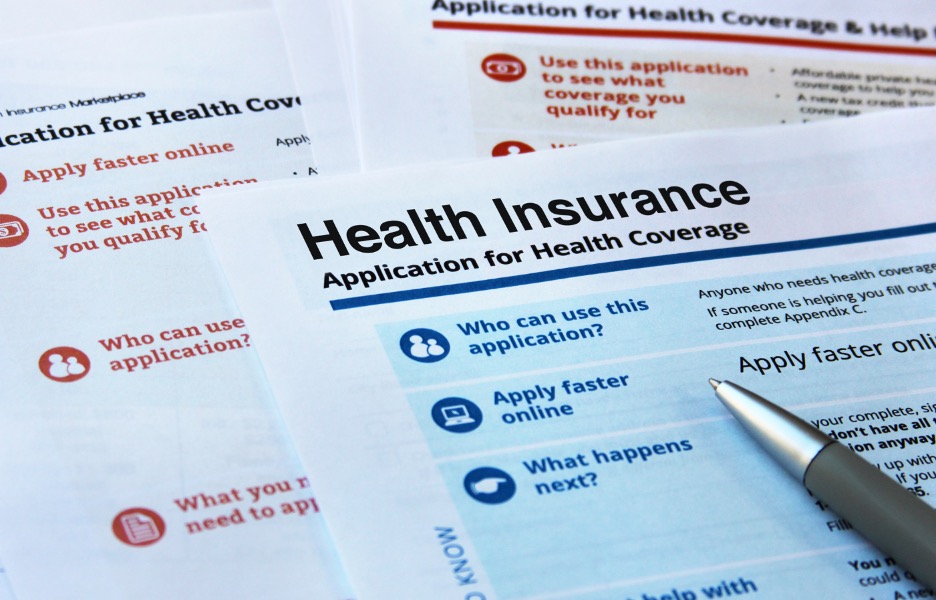
Health care is expensive even with insurance.
Families pay monthly premiums. They face deductibles before coverage kicks in. Prescription costs can add up. And even a routine visit can leave patients unsure what they will owe until the bill arrives.
Those costs are shaped by a health care system where prices are often hidden, patients have limited ability to compare options, and layers of insurance rules and government regulations can make care more expensive.
Government subsidies can also hide the full price. They may lower what an individual pays for coverage, but they do not necessarily lower what the insurance actually costs. Taxpayers simply cover part of the bill.
When patients are insulated from the full price, unable to easily see or compare costs, insurers and providers face less pressure to compete on price and value.
Making health care more affordable means creating greater transparency, more competition, and more patient control over how their health care dollars are spent.
More spending doesn’t always mean lower costs

The current health care system is shaped by government rules, insurance requirements, and hundreds of billions of dollars in public spending.
When health care costs rise, policymakers often respond by increasing spending to help cover them.
But more spending doesn’t make health care itself less expensive.
Many insured Americans still hesitate before getting care because they don’t know what they’ll have to pay out of pocket.
And when subsidies or other government spending cover more of the bill, insurers and providers face less pressure to compete on price or find ways to lower costs.
Over time, families can end up with:
- Higher premiums and out-of-pocket costs
- Fewer coverage options that fit their needs
- More rules that limit flexibility and choice
- Higher costs for taxpayers
Regulations can add costs, too, especially when they limit which plans people can buy or make it harder for new options to compete.
Give patients more control
The Personal Option takes a different approach.
Instead of responding to rising costs with more spending and more rules, it gives people more control over their health care dollars and expands access to options that can lower costs and increase choice.
That includes:
- Health savings accounts: HSAs let people save and spend money tax-free on qualified health care expenses. Because patients control those dollars, they have more reason to compare prices and look for better value. That puts pressure on providers to be more transparent about what care costs and to compete for patients’ business.
- Direct primary care: DPC lets patients pay a doctor a flat monthly fee for routine care, often including office visits, basic lab work, and telehealth. Because these practices generally don’t bill insurance for primary care services, they can reduce administrative costs and give doctors more time with patients.
- Telehealth: Virtual care gives patients another way to access routine care, follow-ups, and treatment for minor conditions without the time and expense of an in-person visit.
Together, these options give patients more control and give providers more reason to compete on price, quality, and service.

More control can mean lower costs
Health care is too important to leave families with fewer choices, hidden prices, and rising costs.
The better approach is to give people more control over their health care dollars and more freedom to choose the care that works for them.
When patients can compare options, providers have more reason to compete. When outdated rules are eliminated, new models of care have more room to grow. And when people control more of their money, they have a stronger say in how it is spent.
More choice, more transparency, and more competition can help make health care more affordable.