From the phone in your pocket to the freezer in your kitchen, inventions made in America are all around us. These ingenious innovations have made it easier to communicate and connect, to feed our families, and even to stay cool in the hot summer months.
Many American inventions began as bold dreams with few believers. These products entered our lives because we live in a country that celebrates creativity and problem-solving. Our free-market system also encourages individuals to take risks to develop, advertise, and sell their products.
- What have Americans invented, and how have these products revolutionized everyday life?
- What do American inventions tell us about the policies required to protect innovation?
Consider these five U.S. inventions and the principles that spurred their development.
1. The microchip powers everyday technology
Innovation thrives in environments with few barriers. When government imposes burdens on inventors — high taxes, red tape — it slows innovation.
Inventing things in America is like running an Olympic race. The 100-meter dash is faster than the 100-meter hurdles because you don’t have to jump over any barriers to get to the finish line.
For most of our nation’s history, the government tried not to impose new burdens on innovators. That’s one reason we were winning the global technology race.
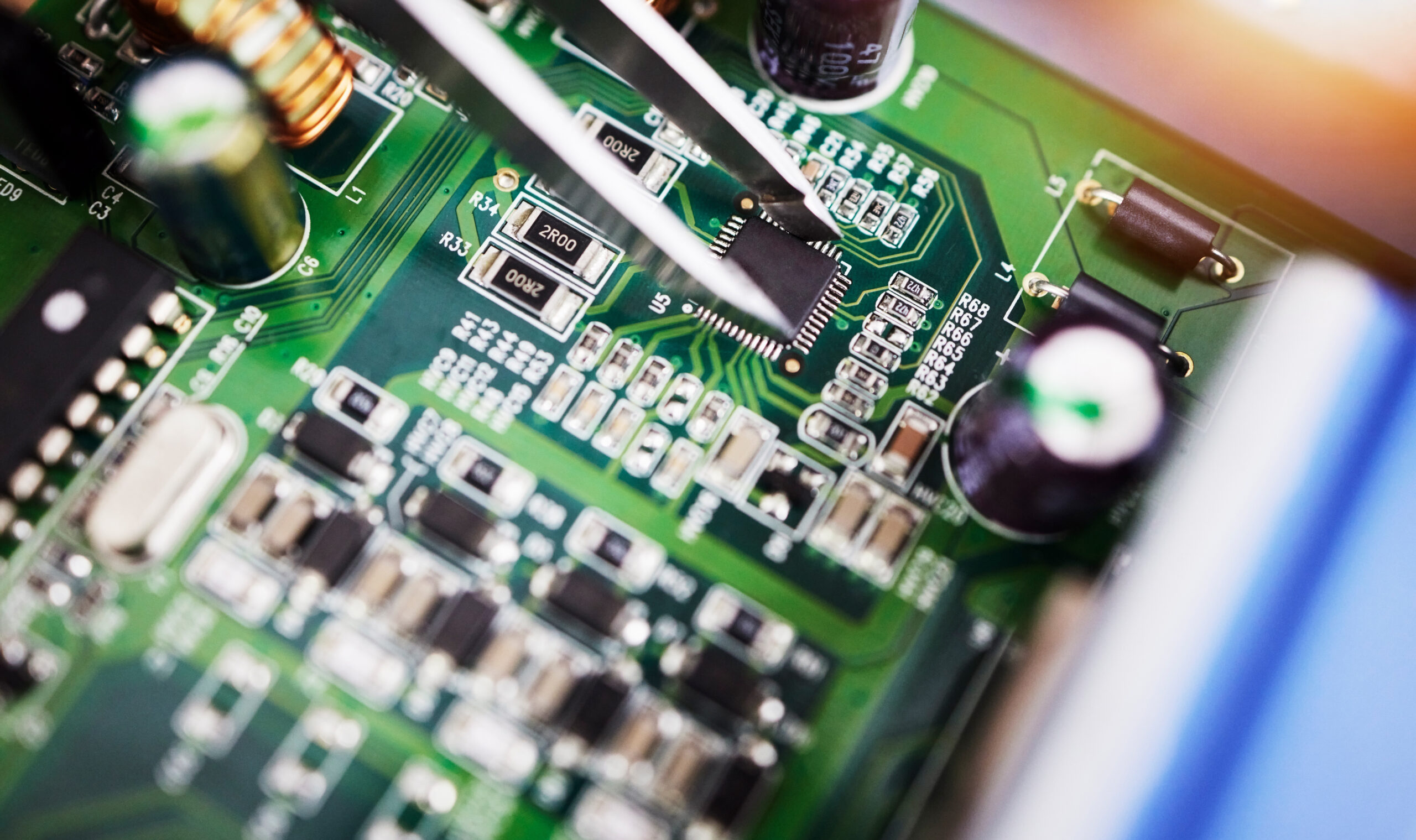
For example: Did you know the microchip was invented in America? Robert Noyce and California’s culture of bold entrepreneurship led to the integrated circuit — shrinking room-sized computers onto a single chip. Today, this breakthrough powers daily life, from smartphones and cars to kitchen appliances.
2. Television: How a teenager changed household news and entertainment
Most of the world regards inventors as crazy … the type of crazy not to be encouraged.
In America, things are different. As the writer Oscar Wilde observed, “In America, the inventor is honored.” Here, we know that when people are free to think, create, and share ideas, innovation follows.
And we know systems that reward creativity — not credentials or location — unlock opportunity for everyone.
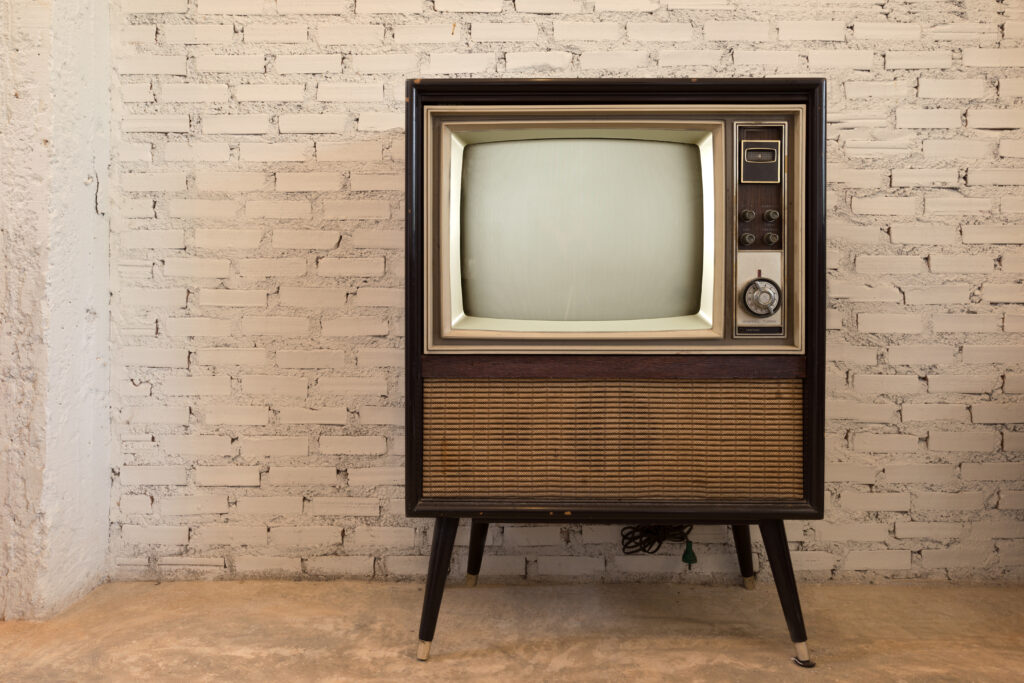
The television is one of the most exciting inventions from America. Philo Farnsworth first dreamed of electronic television as a teenager in rural Idaho, proving that innovation can come from anywhere. His invention transformed how Americans share information, culture, and ideas — connecting communities across vast distances in real time.
3. Air conditioning made modern America possible
Many innovations begin as practical solutions and grow into transformative technologies.
Flexible, free markets allow these ideas to scale and benefit more people.
Consider air conditioning. Willis Carrier didn’t set out to cool our homes. He was solving a manufacturing problem in New York.

But his innovation reshaped where and how Americans live. Icy air from these impressive units made cities more livable, expanded economic growth into warmer regions, and improved the quality of life nationwide.
4. Commercial frozen foods put affordable, healthy food on tables across America
Speaking of keeping things cold … inventions from America have also made it possible to preserve fresh foods for future use.
Inspired by Montana’s cold climate, Clarence Birdseye developed a method to quickly freeze food without sacrificing quality. This innovation made nutritious food more accessible year-round, helping families save money and reduce waste.
Innovation lowers costs and improves everyday life. When entrepreneurs are free to compete and respond to real needs, better solutions emerge — making food more affordable, accessible, and convenient for more people.
5. The telephone gave everyone a voice
In America, open systems — compared to the top-down control we see in other countries — have created stronger connections and more opportunities.
Alexander Graham Bell, one of America’s greatest inventors, certainly understood the principle of openness.

Bell’s telephone, invented in Massachusetts, revolutionized communication by allowing people to connect instantly across long distances. Not only did it make conversations easier, but it also expanded commerce, strengthened communities, and empowered individuals to communicate without barriers.
That’s not all. The telephone had a democratizing effect on America. That’s because innovations that decentralize communication put power directly into people’s hands.
What have Americans invented? Everything from the running shoe to the swivel chair
Because we live in a country that honors the inventor, small innovations can turn into global blockbusters.
Among the other innovations Americans have developed:
- Through persistence, experimentation, and enterprise, Thomas Edison, working in New Jersey, was able to harness electricity in his light bulb.
- In Oregon, Bill Bowerman experimented with rubber and a waffle iron to create a better running shoe.
- Thomas Jefferson designed the swivel chair at Monticello, in Virginia, to support his writing and work.
These ideas are driven by a culture that values creativity and problem-solving at every level.
What American inventions teach us about freedom and innovation
Ultimately, what all American inventions show us is that principles matter. These truths include:
- Individuals can solve problems when they have the freedom to do so
- Competition leads to better products and lower costs
- Lower barriers mean faster breakthroughs
- Practical solutions improve everyday life
The bottom line: Burdensome barriers slow down the next generation of breakthroughs. Too much regulation, and America will lose its innovative edge.
On the flip side, transparent, consistent rules will help innovators succeed and will expand opportunity for everyone.
Want to discover other things invented in America? Read more. Vote for your favorite American invention here. Have an invention of your own? Share it with us.