There’s a reason many families are struggling to afford housing: There aren’t enough homes.
And we didn’t get here overnight.
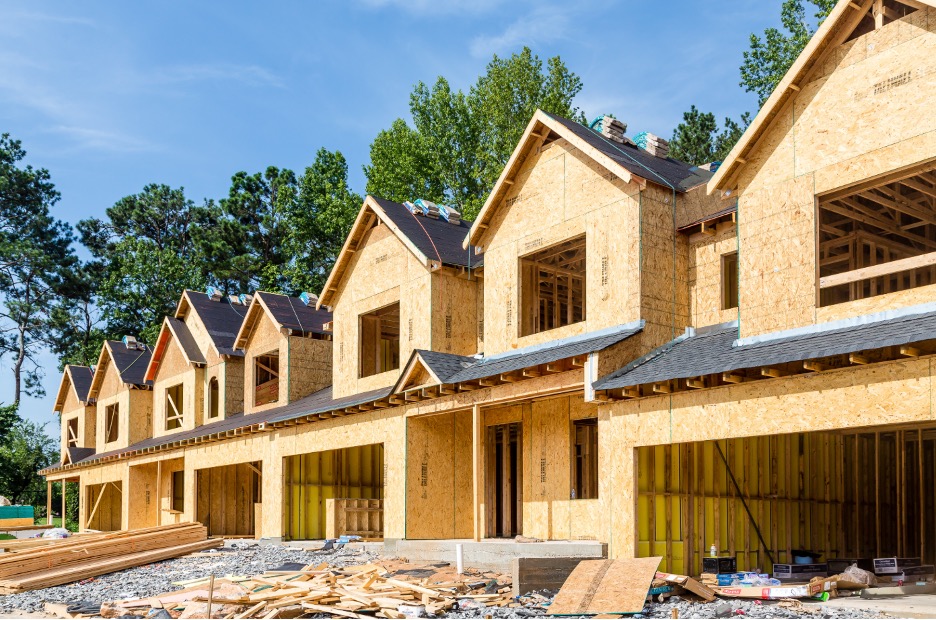
For decades, zoning restrictions, permitting requirements, and other regulations have piled up, making it harder, slower, and more expensive to build new housing.
Government rules might sound far removed from your monthly rent or mortgage payment, but they help determine how many homes are available and how much those homes cost.
In the 1970s, America built about 7 new homes for every 1,000 people. Today, we build only about 4.
When fewer homes are built, families compete for the ones that are available. Rents rise. Home prices climb. And people are left with fewer choices.
The costs of these restrictions add up. Government regulations add more than $130,000 to the cost of building an average-priced new home — that’s roughly one-quarter of the final price!
If we want more affordable housing, the solution is simple: Make it easier for people to build more homes.
More homes mean lower costs
Housing follows the same basic rules of supply and demand as other products.
When there are too few homes for the number of people who want them, buyers and renters compete for the limited supply. That allows sellers and landlords to charge higher prices.
Building more homes changes the equation.
More apartments, townhomes, starter homes, and other options give families more choices. Builders and landlords need to compete for buyers and renters. That lowers prices.
More choices ease the pressure that’s pushing housing costs higher.
But it only works when people are actually allowed to build.

Examples of this are everywhere
Communities across the country have shown what can happen when they encourage new housing construction.
- Austin, Texas: The city reduced parking requirements for new housing, eased some development rules, reduced minimum lot sizes, and allowed more homes to be built in more places. Housing supply grew rapidly, and median rents eventually fell more than 10% from their 2021 peak.
- Houston, Texas: Reforms allowing smaller residential lots helped spur tens of thousands of new townhomes and other small-lot homes. Even as Houston’s population grew, rent growth remained well below the national average.
- Minneapolis, Minnesota: The city removed parking requirements, allowed property owners to build smaller dwelling units on their own property, reduced minimum lot sizes, and made other changes that opened the door to new housing construction. From 2017 to 2022, rents rose by just 1% in Minneapolis while jumping 14% in the rest of the state.
- New Rochelle, New York: The city rezoned its downtown and streamlined development approvals. Housing permits surged, and inflation-adjusted rents fell 13% from 2017 to 2023.
Different cities. Different reforms. The same basic idea: Stop managing the housing shortage and make it easier to build to meet demand.
More government isn’t the solution
Some see high housing costs and think more government is the solution.
Rent control is one example. Instead of making it easier to build more homes, government simply limits the rent landlords can charge.
This approach does nothing to create more housing. In fact, it often makes the effects of the shortage worse by discouraging new construction and pushing existing homes out of the rental market.
We’ve seen it happen before.
- San Francisco, California: Researchers found that rent control reduced the city’s rental housing supply by 15%. The resulting decline in supply pushed citywide rents up by 5.1%.
- Paul, Minnesota: After the city adopted rent stabilization, multifamily housing permits fell sharply. The city had permitted more than 2,000 units a year before the policy took effect. By 2024, that number had fallen to 404.
When the problem is too few homes, more government regulations that discourage new construction only make the shortage worse.
Freedom gives people room to solve problems
The housing shortage is a reminder that the principles behind One Small Step are not abstract ideas.
Freedom matters because people need room to respond when something is not working.
Opportunity matters because families should have more choices about where and how they live.
And limited government matters because rules meant to control growth can end up blocking the homes people need.
When people are free to build, compete, and respond to demand, they can create more choices and better solutions.
For housing, that means removing unnecessary barriers and giving people the freedom to build.