
It’s not just the cost of food and fuel that are rising.
Rents are going up too.
When keeping a roof over your head becomes more expensive, ideas like rent control look appealing.
But does rent control work?
We don’t have to rely on theory to answer that question. Real life experiments with rent control illustrate how price caps can hurt renters more than they help.
The reason is simple: rent control limits prices, but doesn’t increase the supply of housing. In fact, it can reduce the incentive to build new rental housing or maintain existing units.
How does rent control work?
Under rent control, government rules — not market conditions — determine how much landlords can charge for certain rental homes.
A rent-controlled apartment is simply a rental home covered by government price restrictions.
How does rent control work? There are a few common approaches:
- The government can set a maximum amount that landlords can charge their renters.
- It can limit how much rents can increase every year.
- Under rent stabilization, the government sets a formula to determine allowable annual rent increases.
At a time when rent prices seem to be increasing rapidly, any one of these policies can look attractive to renters and policymakers.
The problem is that rent control makes the problem that’s causing higher prices — a low supply of affordable housing — worse.
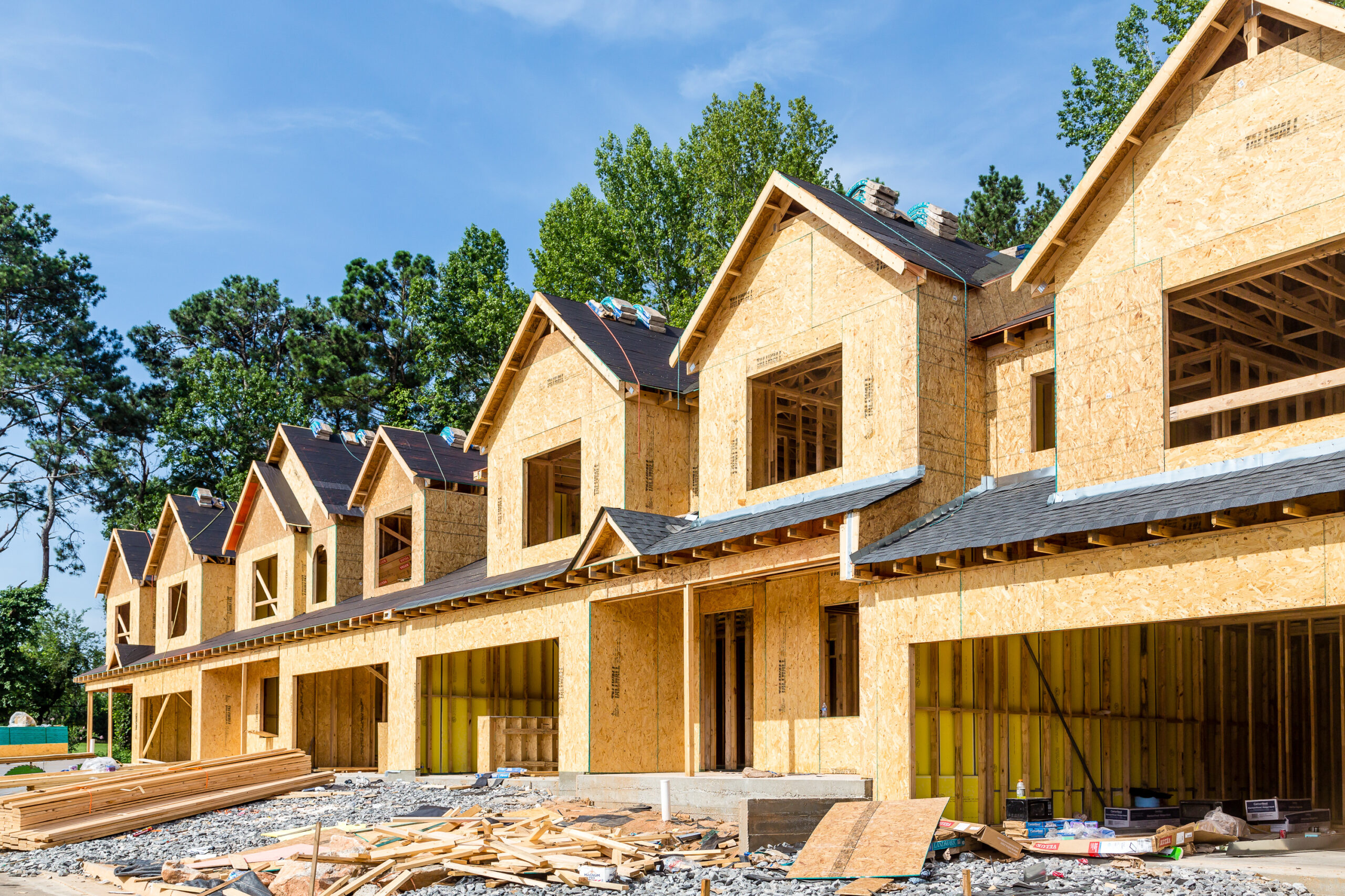
Does rent control work? 4 ways rent caps make housing less affordable
The price a landlord charges for rent needs to cover the cost of owning and maintaining the property, including repairs, taxes, insurance, and other expenses.
Housing prices are also shaped by supply. A lack of rental units means renters are competing for options, driving rents higher.
These factors are critical when it comes to answering the question: does rent control work?
If landlords and developers cannot recoup the costs that go into creating and maintaining housing, they are going to construct and manage fewer units.
That’s why rent control policies usually result in:
- Less new construction
- Fewer homes available to rent
- Renters competing for fewer available homes
- More bureaucracy that can make housing harder to build
So, while it may sound good in theory, rent control actually undermines efforts to tackle the country’s affordable housing crisis.
Here’s how to address high rent prices
The core problem fueling high housing costs is that we aren’t building enough homes.
Rent caps don’t remove any of the barriers that make it more expensive to build. In fact, they create another barrier.
Fortunately, there are plenty of solutions that would expand the supply of housing.
Leaders throughout government can help:
- Congress can reduce federal regulations that drive up construction costs and allow responsible development on appropriate public lands
- State leaders can cut red tape and reduce taxes, making it easier to build
- Local leaders can reform zoning and permitting rules that create artificial scarcity
More homes in your community could translate to lower housing prices.
Big government policies don’t lower prices
So, does rent control work? We don’t have to rely on theory to answer the question.
Cities have experimented with both rent caps and housing reform.
San Francisco and St. Paul tried to manage housing scarcity through rent control and saw housing supply shrink or a decrease in new construction. Meanwhile, Austin and Minneapolis reduced barriers to building and saw housing supply grow, while rents fell or rose much more slowly.
Rent control might limit what some renters pay today, but it doesn’t solve the underlying housing shortage.
A better option is to help builders create more housing.
When prices are rising, more government isn’t the answer. Interested in learning more? Read on.