
You feel grocery prices before you ever think about the economics behind them.
It’s the total at checkout that makes you look twice. It’s buying the same basics and wondering why the bill keeps creeping higher, or putting something back on the shelf because the necessities you buy keep getting more expensive.
Families want lasting relief, not short-term bailouts or regulations that just raise prices more.
The good news is there are real ways to bring costs down — and real-world examples.
Sometimes that means producing more or clearing outdated rules that make it harder for entrepreneurs to reach customers. Other times it means letting new businesses enter the market and compete.
Here are three practical ways to lower food prices.
1. Better chickens can help producers bounce back from shortages
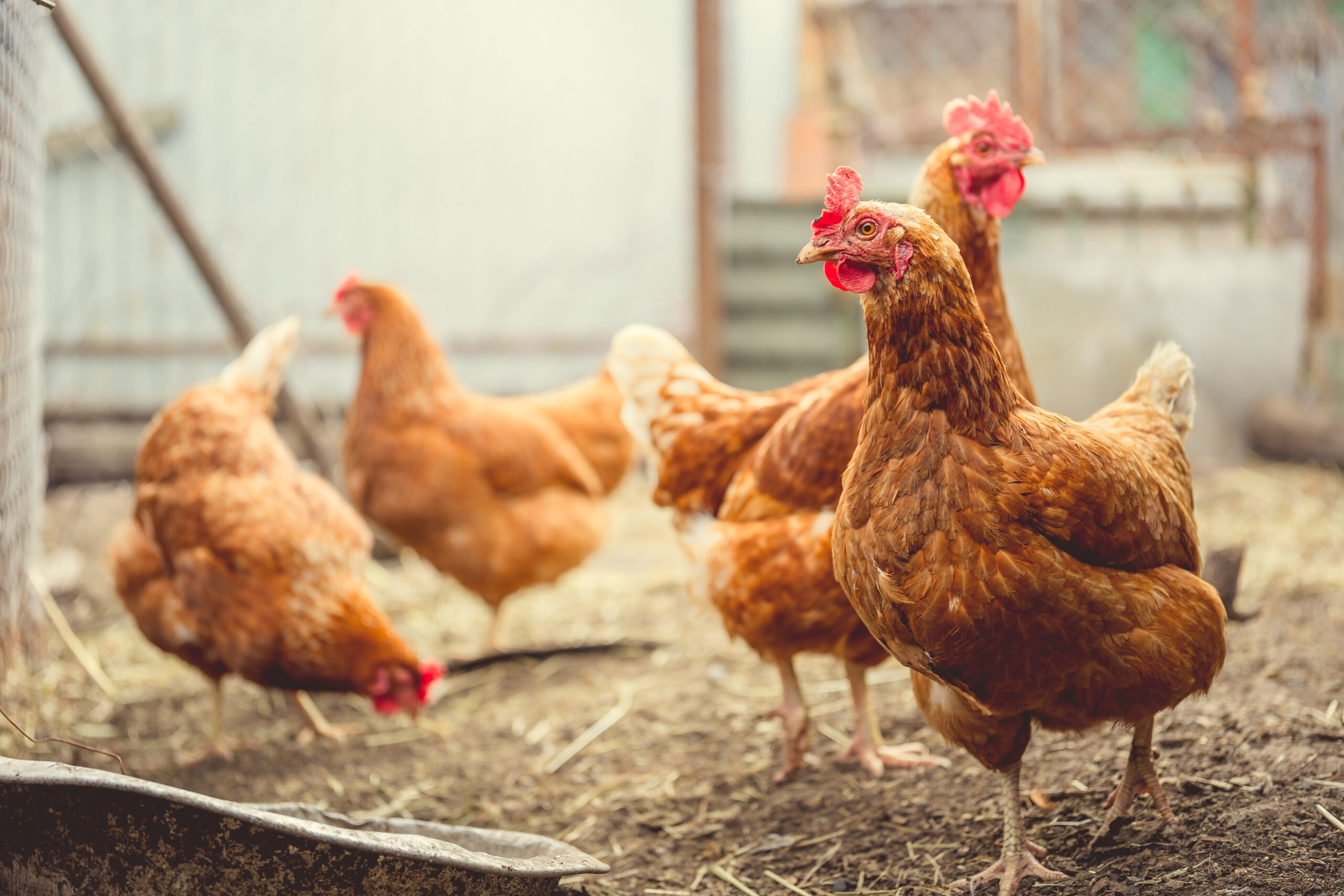
The chicken on grocery shelves today is the result of decades of innovation.
After World War II, breeders competed to develop chickens that grew faster and produced more meat. The “Chicken of Tomorrow” contests helped accelerate that work, and advances in genetics and production helped lower retail chicken prices by 30% to 40% from the 1920s to the mid-1950s, even as red-meat prices rose sharply.
That innovation is crucial when disease hits.
Highly pathogenic avian influenza has killed millions of commercial chickens in recent years. But modern broiler chickens have short production cycles, and continued improvements in breeding, flock health, and hatching have enabled producers to rebuild supply quickly, reducing the impact of disease on chicken supplies.
This year, chicken supplies rose about 4.5% from a year earlier. In fact, supply grew faster than demand, and wholesale boneless chicken breast prices fell 37%.
Businesses didn’t suddenly become less interested in profit.
They produced more chicken than customers wanted at the old price, giving sellers an incentive to cut prices and compete harder for buyers.
Innovation helped create a more productive industry. Competition helped turn that extra supply into lower prices for your family.
2. Lower startup barriers can bring more food sellers into the market
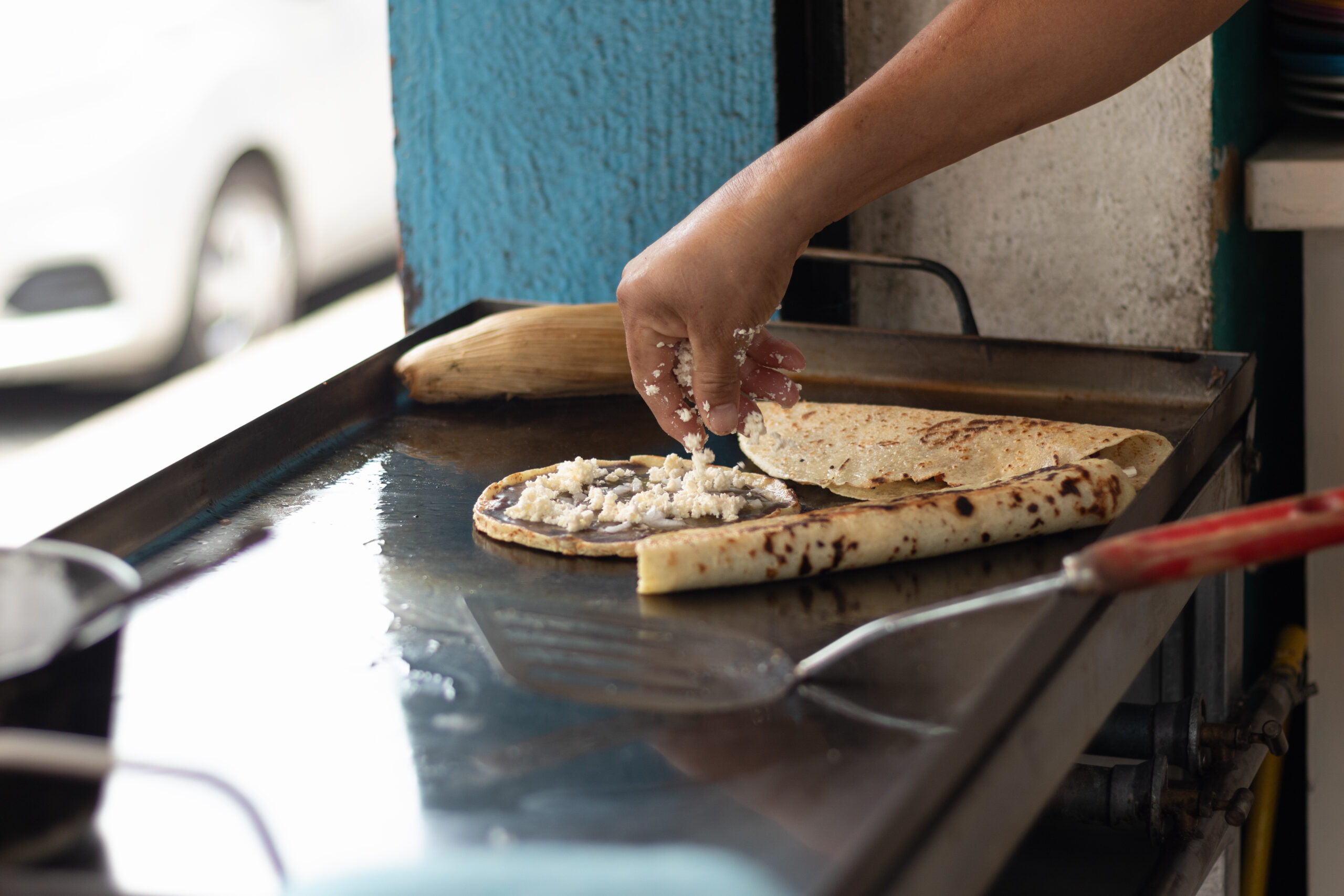
Often it starts in a home kitchen.
Cottage-food laws let people sell certain homemade foods directly to customers, giving entrepreneurs a lower-cost way to test an idea before paying for a commercial kitchen or retail location.
Florida expanded that opportunity in 2021.
The state raised its annual cottage-food sales cap from $50,000 to $250,000, allowed mail delivery, and stopped local governments from layering on conflicting rules. Florida also eliminated licensing, permitting, and registration requirements for qualifying cottage-food businesses.
These reforms made it easier for more people to sell food to their neighbors.
Now established food businesses have to compete with local entrepreneurs.
That’s more competition, thanks to regulatory reform.
3. Fewer permits can help food businesses reach more customers
Brandon Peña and his family saw how quickly government rules can get between a business and its customers.
Their Georgia food truck, Tres Jardines, once faced a system that required a separate permit in every county where it operated.
With 159 counties in Georgia, expansion meant navigating permit after permit, each with its own costs and requirements.
We partnered with food-truck owners to change that.
Georgia passed HB 1443, streamlining the system so that food trucks could operate statewide with a single permit. By November 2023, Tres Jardines was profitable enough to support all five family members and help fund a second truck.
These reforms make it cheaper for food trucks to operate and easier for them to expand.
That can bring more food trucks into more communities, giving customers more choices and businesses more reasons to compete on price and service.
Read the full story here.
More choices start with more freedom to create
These examples all point in the same direction.
Government doesn’t need to decide what food should cost or place needless barriers in the way of entrepreneurs.
It needs to give people room to produce, compete, and pursue their American Dream.