Grocery store prices have been going up … and up … and up for years. While there is no quick fix, the causes of inflation are clear.
And that means the solutions are, too.
Reducing the cost burdens that Washington puts on our grocery supply chain would make everyday goods more affordable. So would ending the type of overspending that requires the government to print more money to cover its debt.
Why are grocery prices rising?
One major driver of rising grocery store prices is inflation, which is fueled in large part by federal government overspending.
- When the government spends more than it brings in, it has to make up the difference by borrowing large sums of money.
- Over time, this can contribute to inflation, especially as more money circulates in the economy.
- When too much money is chasing too few goods, prices rise.
But that’s not all.
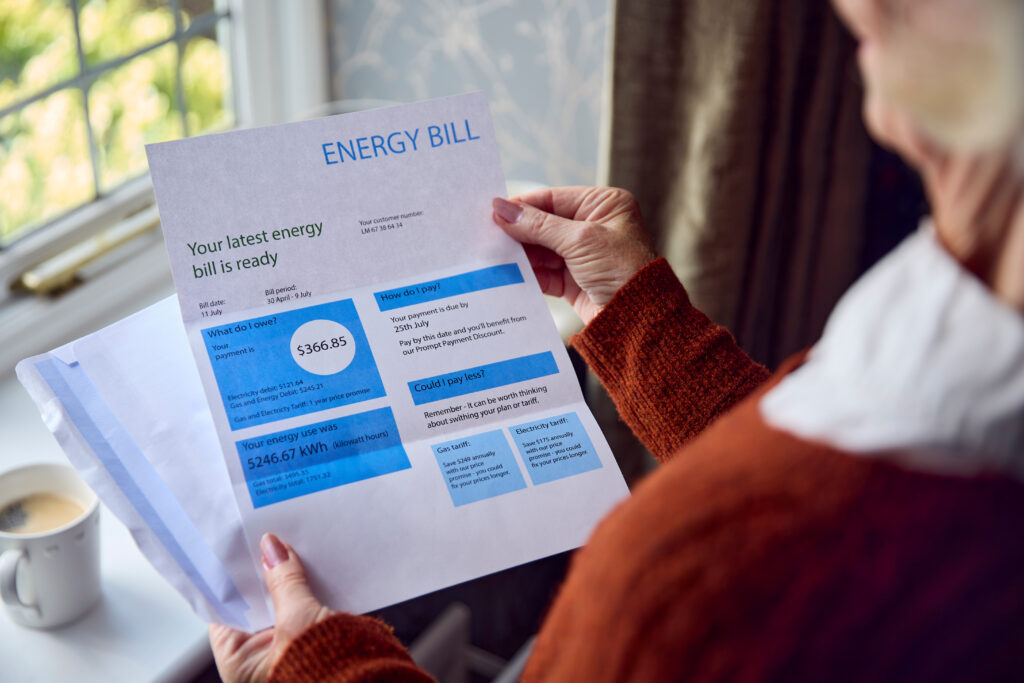
Producing and delivering goods depends on many inputs — labor, energy, transportation costs, taxes, tariffs, and more. When Washington enacts rules and policies that drive up these costs, grocery store prices also rise.
What affects grocery store prices?
As much as we want to believe that the Lucky Charms leprechaun creates the sugary marshmallows, we know a box of cereal does not just magically appear on a grocery shelf.
The American food supply chain is long and costly:
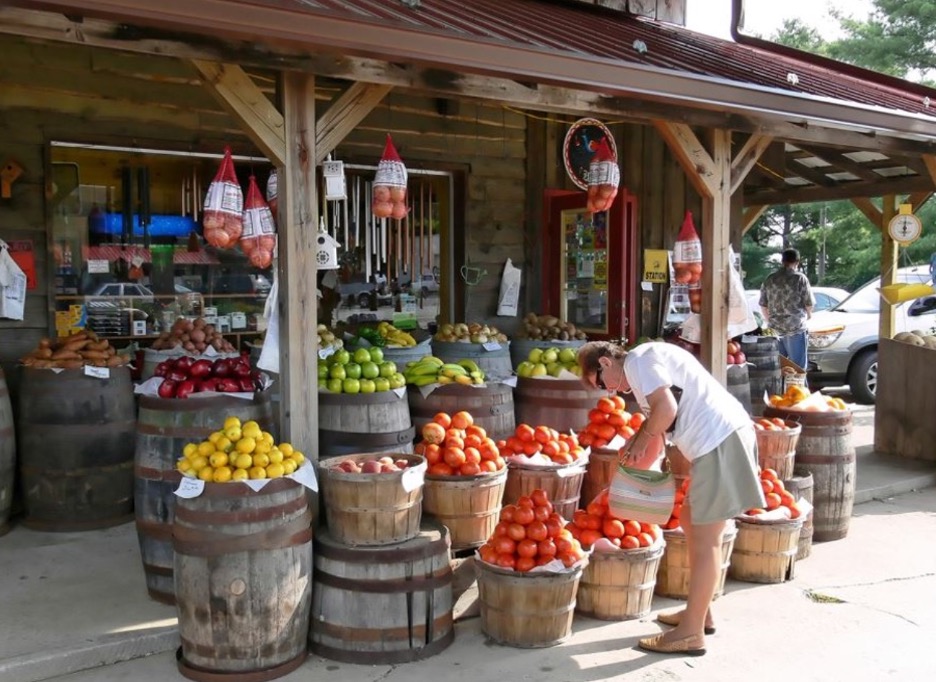
- Farmers need land, fertilizer, and equipment to grow crops.
- Food producers need to buy and transport all the ingredients that go into a product, and they need employees to manufacture those products.
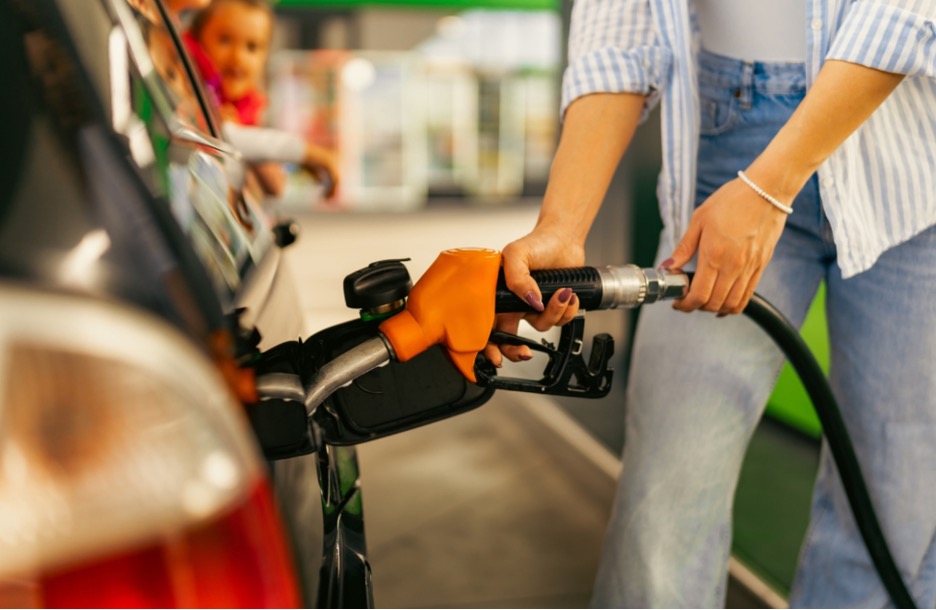
- Distributors must transport the goods to warehouses or stores, which requires gas and labor.
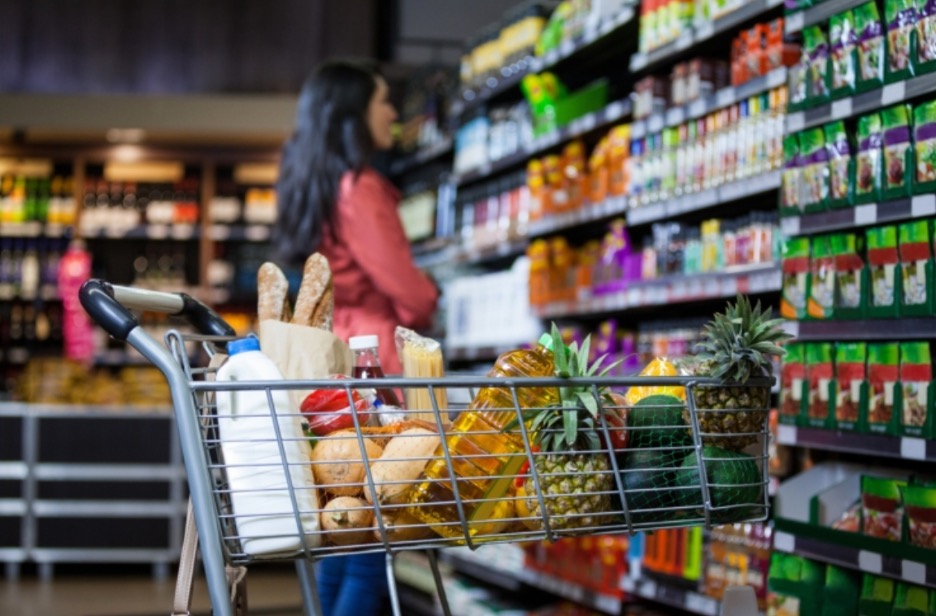
- Grocery stores employ their own workers, owe rent, and must pay to keep the lights on.
Trade barriers and taxes can also raise the cost of producing goods.
For years, new burdens placed on businesses by Washington have been driving up input costs. And those higher costs have shown up in your grocery store prices.
Will grocery store prices go down?
Families are still recovering from 40-year high inflation.
The truth is, because government spending and regulation are so hard to rein in, prices don’t always snap back as quickly as we would like.
But there are energy, labor, and transportation reforms that can keep grocery prices from rising. We can restore affordability.
Americans know this.
They understand that the best path to a stronger, more resilient country is to expand freedom and opportunity, not to make government bigger. In fact, recent polling from Public Opinion Strategies and Americans for Prosperity shows that 67% of Americans think regulations governing things like labor, energy, and transportation are to blame for higher grocery store prices.
5 policy solutions to lower grocery store prices
While prices won’t go down overnight, change is possible. With the right policies in place, businesses can expand supply and lower costs.
Here are five practical reforms that could reduce the barriers Washington has created for businesses:
- Unleash energy abundance and streamline permitting. This reform would lower the energy costs that farmers, processors, shippers, and retailers must pay. Bonus: They’d lower your own gas and home heating bills, too!
- Cut red tape that raises food costs. Households pay about $16,000 annually to cover regulatory costs, which account for 21% of household expenses. Reducing local, state, and federal red tape would prevent grocery prices from rising.
- Fix shipping and trade barriers. By repealing policies like the Jones Act that pick winners and losers, Washington can increase competition in shipping — lowering the transportation costs that are passed to consumers in the process.
- Enact federal budget reforms. True budget reform can help keep spending in check and reduce the likelihood that the government needs to print more money to finance its debt.
- Fuel a flexible workforce. Reducing barriers that make it harder to work and hire will support production and distribution capacity.
Grocery store prices reflect many inputs, but practical reforms can ease pressure.
The bottom line: Affordability is possible when government gets out of the way, and communities can build, produce, and innovate.
Learn more about how we can improve affordability in America.