
Your daily life is easier and more efficient because of innovation.
From smartphones and online banking to lifesaving medicines and next-day delivery, innovation helps solve problems and improve the products and services we rely on every day.
Innovation is important because it reduces costs, improves services, and leads to more abundant choices.
But innovation isn’t automatic.
Good ideas die when government puts up barriers to progress.
To fully realize the benefits of innovation, people need to be free to test ideas, respond to needs, and scale innovations that work.
WHAT IS INNOVATION?
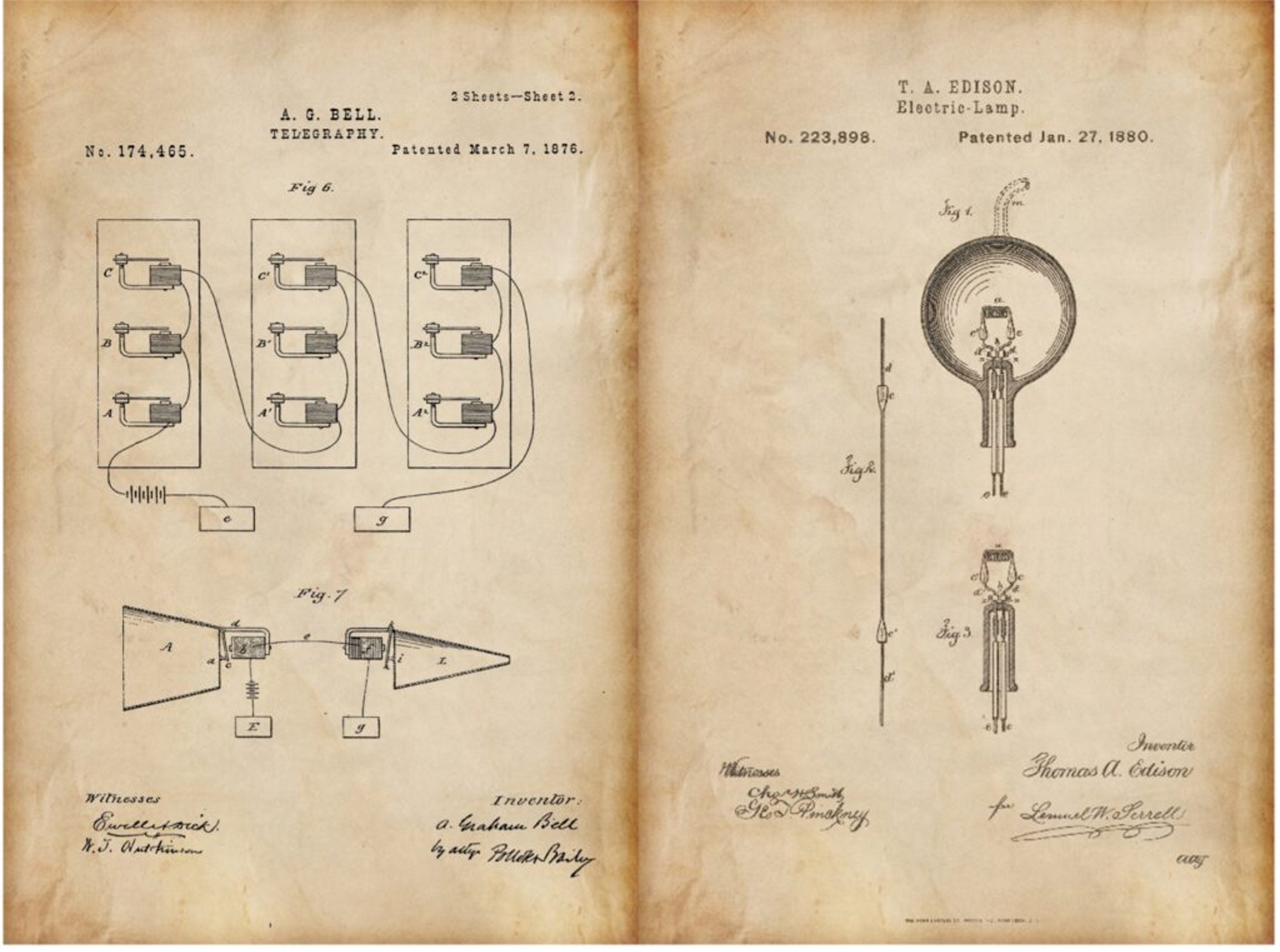
When most people think of innovation, they think of brand-new inventions like Henry Ford’s Model T or Alexander Graham Bell’s telephone.
While new products, services, and ideas are innovations, if you improve something that’s already in the marketplace, you’re also innovating. Take the Ford F-150, or the smartphone.
Think of it this way: Innovation doesn’t always mean creating something entirely new. Smartphone companies release updated models every year because there are always opportunities to improve what already exists. Faster processors, sharper cameras, and longer battery life make each generation more useful and convenient than the last.
WHAT HAPPENS WHEN INNOVATION SLOWS DOWN?
One way to understand why innovation is important is to imagine a world with less of it.
When innovation slows down, progress slows down, too. Fewer new ideas are tested, fewer improvements reach the marketplace, and fewer solutions become available to the people who need them.
That can affect everything from lifesaving medicines to communications technology to energy systems.
Often, innovation slows because people face barriers to experimenting, competing, and bringing new ideas to market. Local, state, and federal regulations can make it harder for entrepreneurs and businesses to develop and scale promising solutions. Excessive red tape can delay progress and discourage innovation altogether.
The result is higher prices, fewer opportunities for entrepreneurs to create jobs, and fewer products and services that improve our daily lives.
WHY IS INNOVATION IMPORTANT? SIX MORE REASONS
The benefits of innovation go far beyond daily life. Economies and societies grow stronger and healthier when people have the opportunity to test their ideas and bring them to market.
Here are six more reasons why innovation is important.
INNOVATION DRIVES ECONOMIC GROWTH

Innovations create new products, services, and industries that make people more productive and create new opportunities to generate value.
Fifty years ago, few Americans could imagine connecting with colleagues via video conference from anywhere in the world. Today, online meeting platforms support entire industries and help businesses operate more efficiently.
Growth happens when people are allowed to dream, invest, test, and bring new ideas to market.
INNOVATION EXPANDS OPPORTUNITY AND CREATES NEW WORK PATHS
With new industries come new opportunities to create jobs and new ways for people to work, learn, and build.
Innovators aren’t just creating jobs. They are creating opportunities outside of traditional systems. Think of the “gig” economy. Apps like TaskRabbit have made it easier for you to have an income-generating side hustle.
Reducing barriers to innovation allows more people to contribute and succeed in ways that they find meaningful and valuable.
INNOVATION MAKES YOU HEALTHIER
One of the biggest benefits of innovation is that it can make you healthier and help you live longer.
And it’s not just new medications or medical devices that are lengthening lives. Technology can help us manage diseases like diabetes more effectively.
When innovators can develop and scale solutions, better care becomes more affordable and accessible.
INNOVATION HELPS SOLVE COMPLEX PROBLEMS FASTER
Innovation doesn’t just make our daily lives run more smoothly — it makes it easier to tackle the world’s toughest problems.
New technologies can help researchers, entrepreneurs, and organizations gather information, identify patterns, and develop solutions faster than ever before.
To realize these benefits, innovators need the freedom to experiment, test ideas, and refine solutions over time.
INNOVATION INSPIRES COMPETITION
Have you ever heard the term “iron sharpens iron”? The idea is that people competing at a high level improve themselves, others around them, and the culture.
Innovation inspires competition, creating the conditions for better ideas to emerge and take hold.
That means better products and lower costs for us all.
Government can impede or enhance competition. Too much red tape makes it harder to compete, but some rules are important. For example, laws that protect intellectual property are essential to creating an environment where innovation thrives.
INNOVATION HELPS THE UNITED STATES STAY COMPETITIVE

Countries that encourage experimentation and entrepreneurship are better positioned to adapt and succeed in a rapidly changing world.
Innovators, inventors, and entrepreneurs flock to places where they can experiment, test, and refine their ideas.
In fact, open systems help countries like the United States attract talent, respond to new challenges, and remain competitive in the global economy.
WHY INNOVATION IS IMPORTANT TO YOUR LIFE
Why is innovation important? Because it:
- Improves daily life by lowering costs, expanding choices, and making things more efficient
- Drives economic growth
- Expands opportunity and creates new work paths
- Makes you healthier
- Helps solve complex problems faster
- Inspires competition
- Helps the United States stay competitive
What conditions help innovation thrive?
WHAT DRIVES INNOVATION IN THE FIRST PLACE?
Innovation is not accidental. It depends on conditions that allow people to solve problems and create value.
Here are three ways policymakers can help keep America a haven for innovators, inventors, and entrepreneurs. They can ensure that anyone with an idea is:
- Free to experiment, test, and refine their ideas
- Free to access markets and connect with people who need solutions
- Free to scale their solution into businesses that create jobs and opportunity
Progress depends on people willing to try something new and improve what exists.
Explore how new ideas are making a difference — or take part in efforts that support innovation in your own community.