When will home prices go down?
Home prices come down when supply catches up with demand — and right now, there simply aren’t enough homes being built to meet the needs of American families.
That’s the core problem.
For years, rising costs, restrictive zoning rules, long permitting timelines, and other barriers have made it harder and more expensive to build housing. Until more homes are built, affordability will remain a challenge for millions of Americans.
Why haven’t housing prices come down yet?
A lot of people are asking: Why haven’t home prices gone down?
The biggest reason is that the United States does not have enough housing supply to keep up with demand.
There are a few major reasons why:
- First, zoning rules limit what can be built. In many areas, more than 75% of residential land is zoned for single-family homes. That means no duplexes, townhouses, or small apartments.
- Second, permits take too long. In some states, it can take months or even years just to get approval to build. Those delays add tens of thousands of dollars to the final cost of a home.
- Third, building is expensive. The rising costs of labor, materials, and financing all get passed along to the homebuyer.
Put all of these together, and you get fewer homes being built.
That’s why housing prices still aren’t going down.
What causes home prices to start dropping?
So, what actually makes home prices drop?
It comes down to supply and demand.
When families have more housing options, sellers and landlords have to compete more aggressively on price. That helps stabilize housing costs over time.
Waiting for prices to fall on their own won’t solve the problem. Americans need policies that make it easier, faster, and less expensive to build more housing.
We need to build more housing
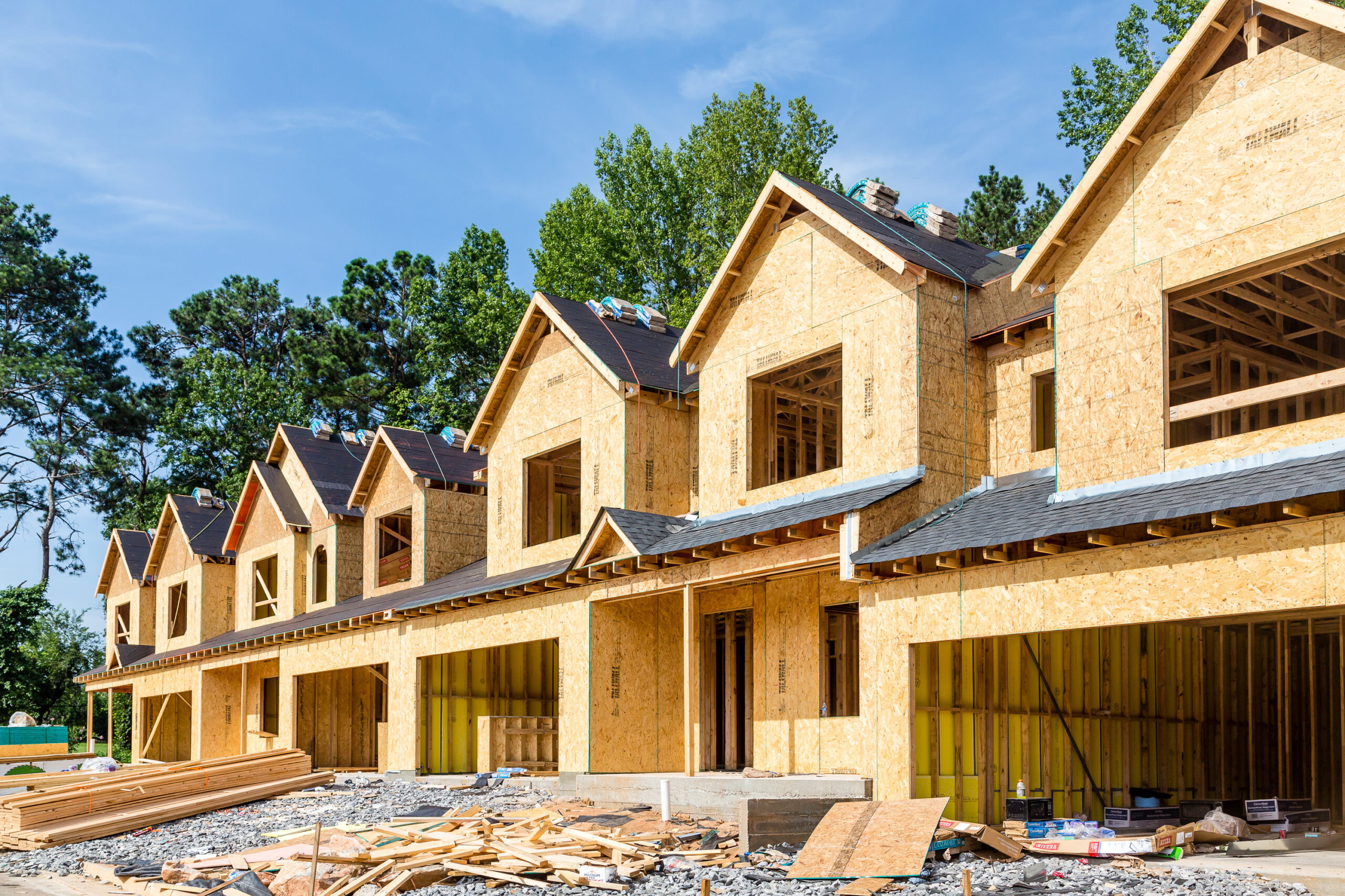
If we want housing prices to come down, we need to build more homes.
The challenge isn’t demand. It’s the barriers that make building slow, expensive, and difficult.
Reducing those barriers allows supply to grow and gives builders more flexibility to meet the needs of growing communities.
It also helps renters because when more housing units become available, rents become more competitive across the market.
Red tape and delays drive up housing costs
A lot of today’s housing affordability challenges are tied to outdated rules and unnecessary delays.
Many state and local policies make it harder and more expensive to build housing.
- Long permitting timelines delay projects
- Minimum lot size requirements limit how many homes can be built
- Rules block duplexes, townhouses, and apartments, driving away investment
Zoning laws are also a major factor.
In many cases, they restrict what types of homes can be built across entire neighborhoods, making it harder to meet demand.
Allowing more multifamily housing and accessory dwelling units, like backyard cottages or garage apartments, can also help ease the housing affordability crisis.
Fixing these outdated barriers can help increase supply and lower costs without relying on top-down mandates like rent control.
Where housing reforms are already working
Across the country, some communities are already removing barriers and making it easier to build more housing.
In Texas, a 2025 reform reduced minimum lot sizes in large cities to 3,000 square feet, making it easier to build smaller, more affordable homes.
Kansas passed a law requiring permit decisions within 60 days, helping reduce delays that previously slowed projects for months.
States like Iowa, Montana, and New Hampshire have passed reforms that reduce parking mandates or expand the use of accessory dwelling units.
These are important early steps that show practical reforms can make a difference.
Change won’t happen overnight. It takes time to plan, approve, and build new homes.
But the good news is that solutions already exist — and communities across the country are beginning to put them into action.
Learn more
Housing affordability is one of the biggest cost-of-living challenges facing American families today.
AFP’s Affordability Agenda supports practical reforms that reduce unnecessary barriers, expand housing supply, and make it easier for more Americans to afford a home.
<Link to Affordability Agenda>
Learn more about AFP’s Roadmap for Housing Policy Reform and the policies helping make housing more affordable.