Recent News
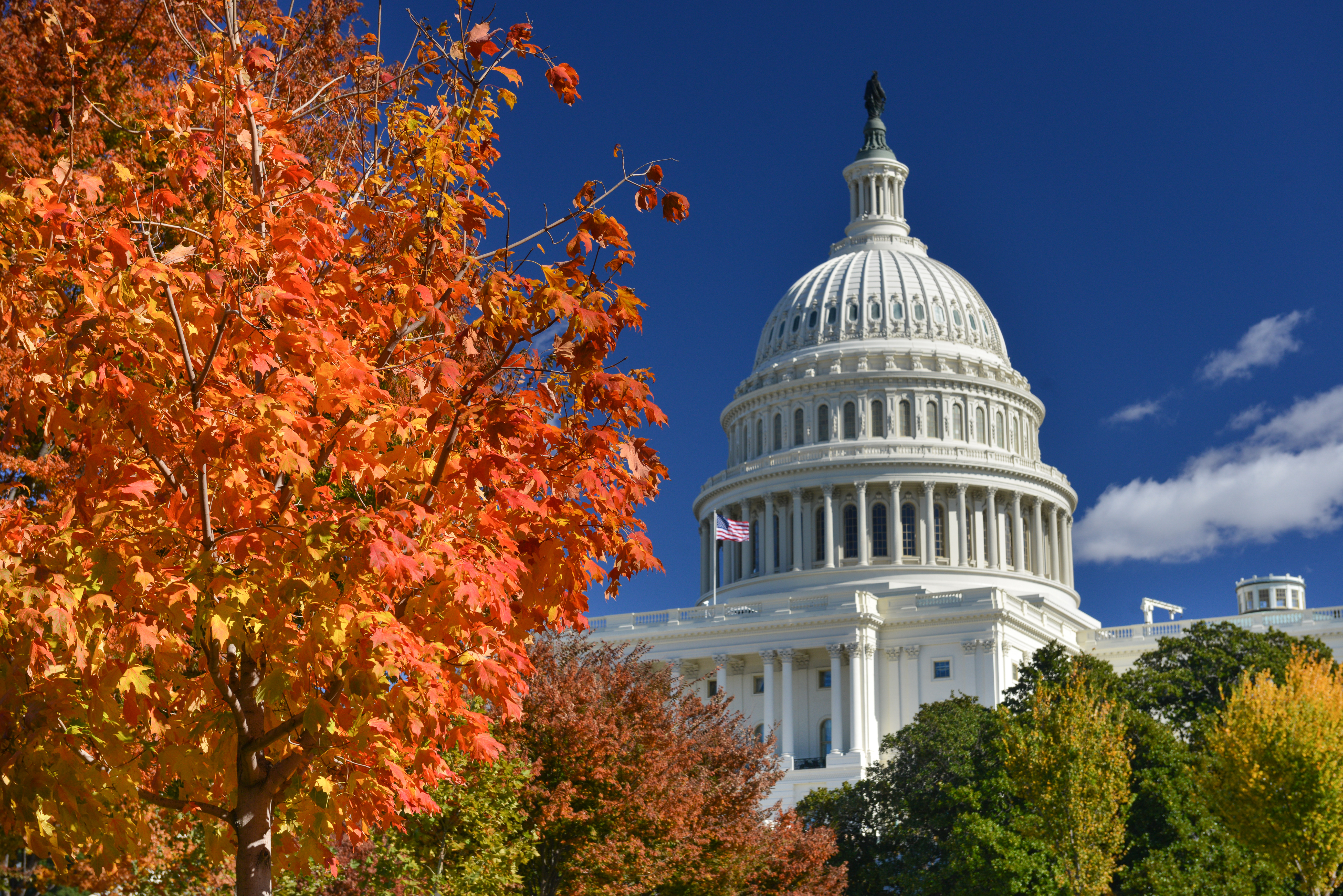
Congress’ annual policy work depends on timely information from the president’s budget request and national security strategy, and both are due in early February each year. Congress could refrain from inviting the president to give the State of the Union address until it receives those materials.
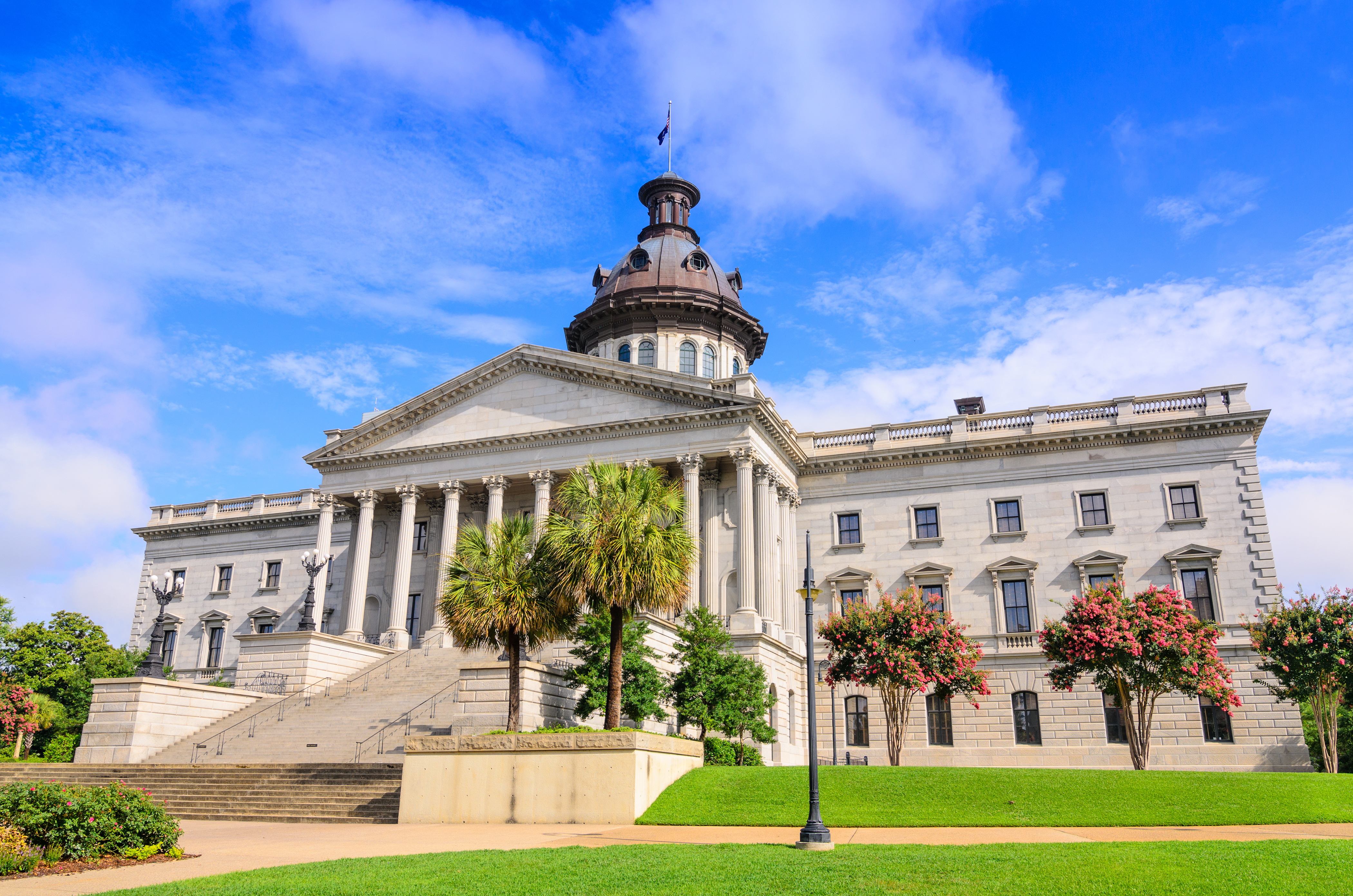
H. 3021 is a critical step toward restoring balance and accountability in the regulatory process. By incorporating REINS, judicial deference reform, sunset provisions, regulatory budgeting, and red tape reduction, the sate can ensure that regulations serve the public interest – not bureaucratic inertia. These reforms will empower small businesses, protect individual rights, and promote a more transparent and responsive government.

Right of First Refusal (ROFR) laws might sound harmless, but they actually block competition and drive up energy costs. Across both Democrat and Republican administrations, the Department of Justice and Federal Trade Commission have consistently highlighted the policy’s harm to consumers and shows why it’s time to scrap ROFR for good.

The Employee Rights Act (ERA) is the top opportunity in Congress to unlock prosperity for American workers in the 21st century.
AFP is excited to share with congressional staff policy proposals to codify Executive Orders that AFP believes, should be prioritized for introduction following the recess. These include policy proposals to “spring clean” the Code of Federal Regulations, promote greater choice in healthcare, protect individual freedom and promote technological process, and facilitate critical energy infrastructure by streamlining federal permitting.

The full report provides model legislation, success stories, and additional resources to equip reform-minded policymakers.
AFP and its activists worked hard to ensure that Congress took full advantage of the Congressional Review Act’s ability to remove overburdensome regulations and rules. Check out some of the wins!
According to a recent CNBC|SurveyMonkey Small Business Survey, 46% of small business owners now rate the economy as “excellent” or “good,” up from just 30% in the previous quarter.

Many Americans’ property taxes are high and rising due to local governments’ wasteful spending and revenue diversions. State legislators can address these problems.