Recent News
On Monday, Americans for Prosperity Foundation and the Buckeye Institute, joined an amicus brief the New Civil Liberties Alliance filed in the U.S. Supreme Court in Department of Labor (“DOL”) v. Sun Valley Orchards, a constitutional challenge to an inhouse administrative tribunal in which the DOL wears multiple hats, acting as both the prosecutor and judge of its own cause to impose severe monetary penalties on private parties.

Earlier this week, Media Matters, an organization that engages in speech protected by the First Amendment, announced a historic settlement with the Federal Trade Commission, permanently ending the agency’s investigation into Media Matters after it successfully blocked the FTC’s administrative demands in a pre-enforcement constitutional challenge. Whether one agrees with Media Matters’s message or not, this is an important victory for free speech and the rule of law that should benefit those facing agency investigations they believe to be unconstitutional.

Ahead of an April 28, 2026 deadline, Americans for Prosperity Foundation (AFPF) submitted a public comment supporting the U.S. Department of Labor’s (DOL) proposed rule clarifying who qualifies as an independent contractor or employee under the Fair Labor Standards Act and other DOL jurisdiction.
Geofence warrants raise new questions about whether modern surveillance complies with the Fourth Amendment’s protections.

Americans for Prosperity Foundation celebrates a Georgia Supreme Court ruling in Lucid Group USA, Inc. v. State of Georgia allowing electric vehicle (EV) manufacturer Lucid’s lawsuit challenging Georgia’s direct-sales ban to continue as a win for economic liberty.

By repealing the Finding, the EPA disclaims power it has never legitimately possessed and puts it back where it belongs under our system of checks and balances: the halls of Congress.

Today, the Trump Administration announced that the Council on Environmental Quality (CEQ) took a key step in achieving landmark permitting reforms by finalizing an Interim Final Rule (IFR) rescinding CEQ’s National Environmental Policy Act (NEPA) implementing regulations.

Today, Americans for Prosperity Foundation filed a comment on the EPA’s and Army Corps of Engineers’ proposal to update regulations defining “waters of the United States”—which set forth the agencies’ understanding of their jurisdiction under the Clean Water Act (CWA).
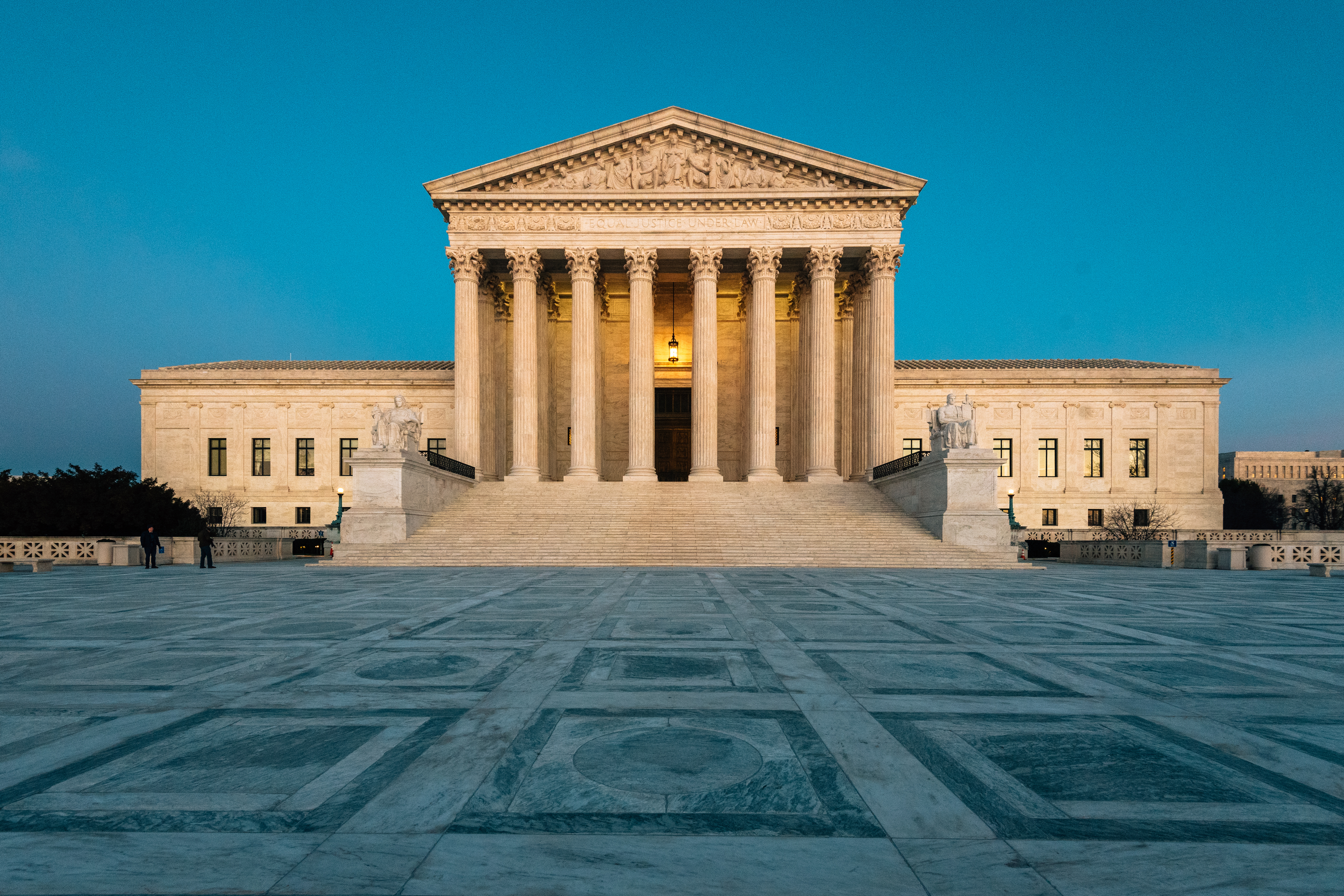
Today, Americans for Prosperity Foundation filed an amicus brief in the U.S. Supreme Court in Canna Provisions Inc. et al. v. Bondi—an important constitutional challenge to Congress’s authority to regulate and criminalize purely local conduct that under our system of federalism is supposed to be handled at the state and local levels—urging the Court to address the important issues it presents.