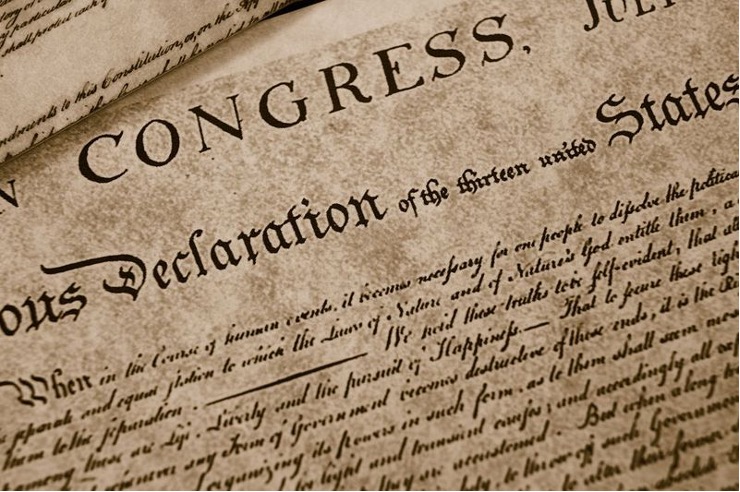
“We hold these truths to be self-evident …”
You probably know the rest of this sentence by heart.
Generations of Americans have read, repeated, and reflected on those words since the founders penned them in the summer of 1776.
Few documents have changed the course of history as much as the Declaration of Independence.
But have you ever read the rest of the Declaration?
Odds are you haven’t — and there’s a lot you’re missing.
The Founding Fathers laid out all the arguments that inspired them to rebel against the world’s most powerful empire.
They made the case for self-government, warned against unchecked power, and clearly said that our rights do not come from government, but from our Creator.
These ideas are the foundation of our country and have inspired millions of people around the world who also want to build a society based on freedom.
So, this Independence Day, before the fireworks begin and the cookouts get underway, take 10 minutes to read the document that changed the world.
There’s more to the Declaration than one famous sentence
The Declaration of Independence is about 1,300 words long and takes around seven minutes to read in full.
And while one line gets the most attention, some of America’s foundational ideas appear a few paragraphs later.
For instance:
“Governments are instituted among Men, deriving their just powers from the consent of the governed.”
Government works for the people, not the other way around.
Today, this is obvious to us, but back then, it was a truly revolutionary concept.
The Founding Fathers rejected the idea that people were expected to serve their lords, kings, or emperors.
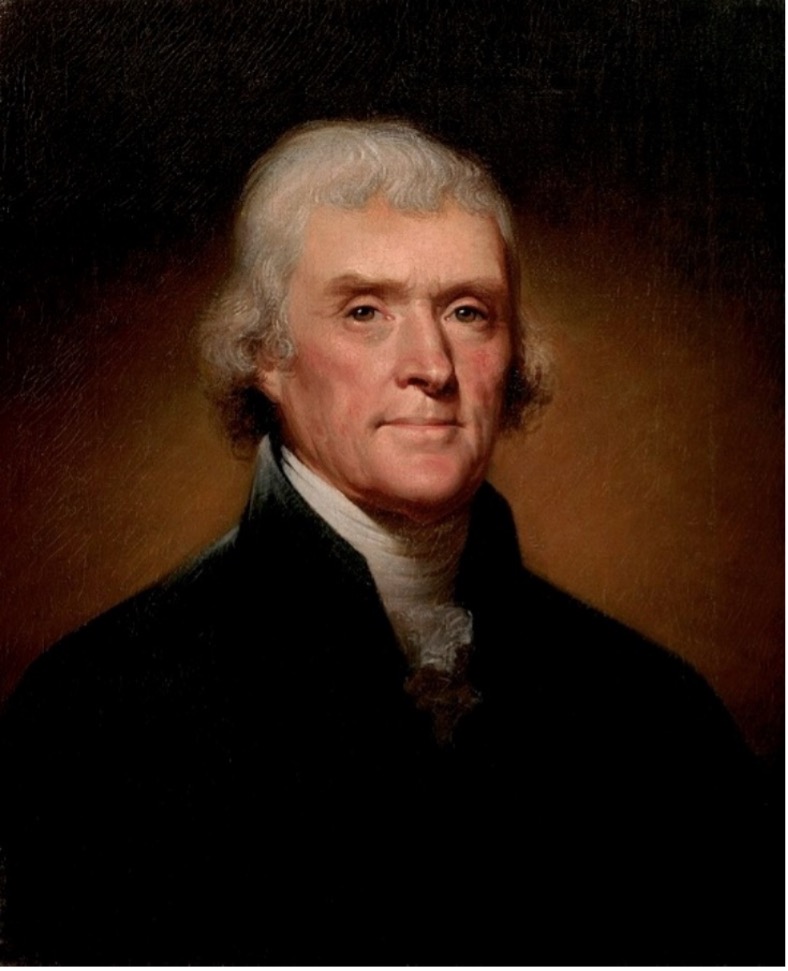
They believed political power comes from the people, and that rulers were legitimate only if they had the consent of the governed.
Another lesser-known passage offers an equally important lesson:
“Prudence, indeed, will dictate that Governments long established should not be changed for light and transient causes.”
Far from being reckless revolutionaries, the Founding Fathers understood that political change should not be pursued lightly.
They knew people should not abandon institutions or traditions simply because they’re imperfect or because the latest controversy demands it.
They took the radical decision to break away from the British Empire only when there was no other recourse.
These two passages reveal something truly unique about the Declaration: It’s both idealistic and practical.
It champions self-government while recognizing that preserving it requires wisdom, participation, and engaged citizens.
Today, we might not be fighting the King of England over who gets to tax us, but the principles and ideas in the Declaration are as relevant as they were in July 1776.
Reading the Declaration today is the best way to understand where America came from, and where we should be going.
A tradition worth reviving
For generations, reading the Declaration of Independence was a common part of how Americans celebrated July Fourth.
Many communities gathered to hear the Declaration of Independence read aloud. People came together to reflect on the ideas that made it possible.
As America approaches its 250th anniversary, it’s a good time to revive that tradition.

This Fourth of July, before the barbecue and before the fireworks, take a few minutes to read the Declaration of Independence with your family.
Share a passage at a neighborhood gathering. Ask your kids or grandkids what stands out to them. Invite friends to discuss what freedom, opportunity, and self-government mean in their lives.
You already know the Declaration’s most famous line — take the time to read the rest. That’s a simple way to reconnect with those principles, and with one another.
This year, celebrate America’s 250th by reading the document that started it all.