In 1790, just a few years after the Constitution was ratified, the United States granted its first patent.
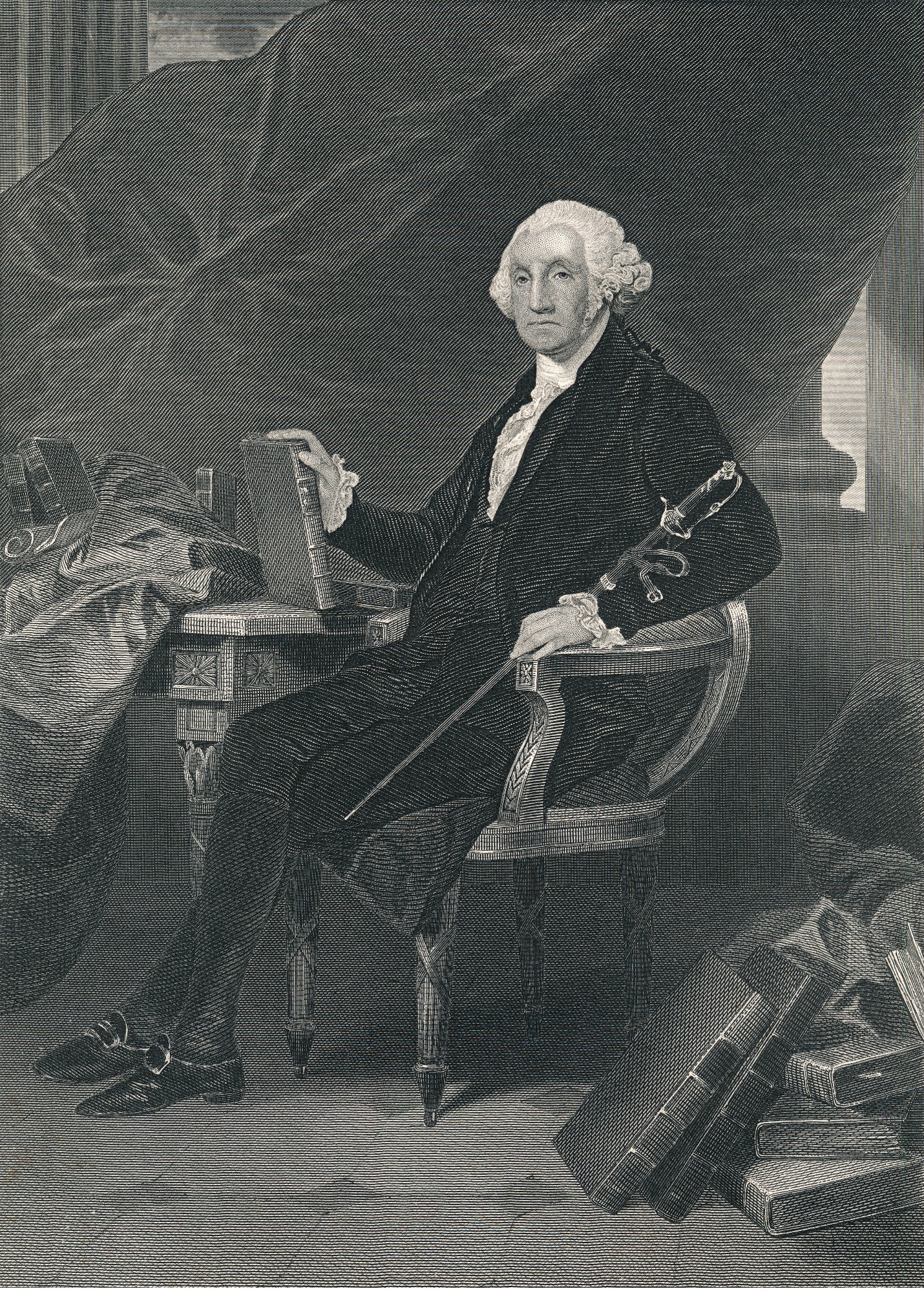
President George Washington signed a patent for a process to make fertilizer production better and more efficient, invented by Vermont native Samuel Hopkins.
Our young nation was experiencing many tests in its early years. Our borders were surrounded by threats. The economy was wobbly. And Americans were still learning how our experiment in self-government was supposed to work. President Washington had no shortage of troubles and issues to take care of.
And yet, he took the time to sign that first patent, as the law required.
This moment tells us something important about what the founders believed: In America, what you create is worth protecting. And that’s worth the time of somebody as great as George Washington.
Our continued commitment to liberty, creativity, and innovation has made America an entrepreneurial and technological giant.
Getting out of the way
For most of history, governments managed innovation from the top: licenses, guilds, royal approval. If you wanted to build something new, you had to ask permission first.
America did something different: You don’t have to ask the government for permission to try something new.
In fact, the government is there not to tell you what to do, but to ensure other people don’t make, use, or sell your inventions without your permission.
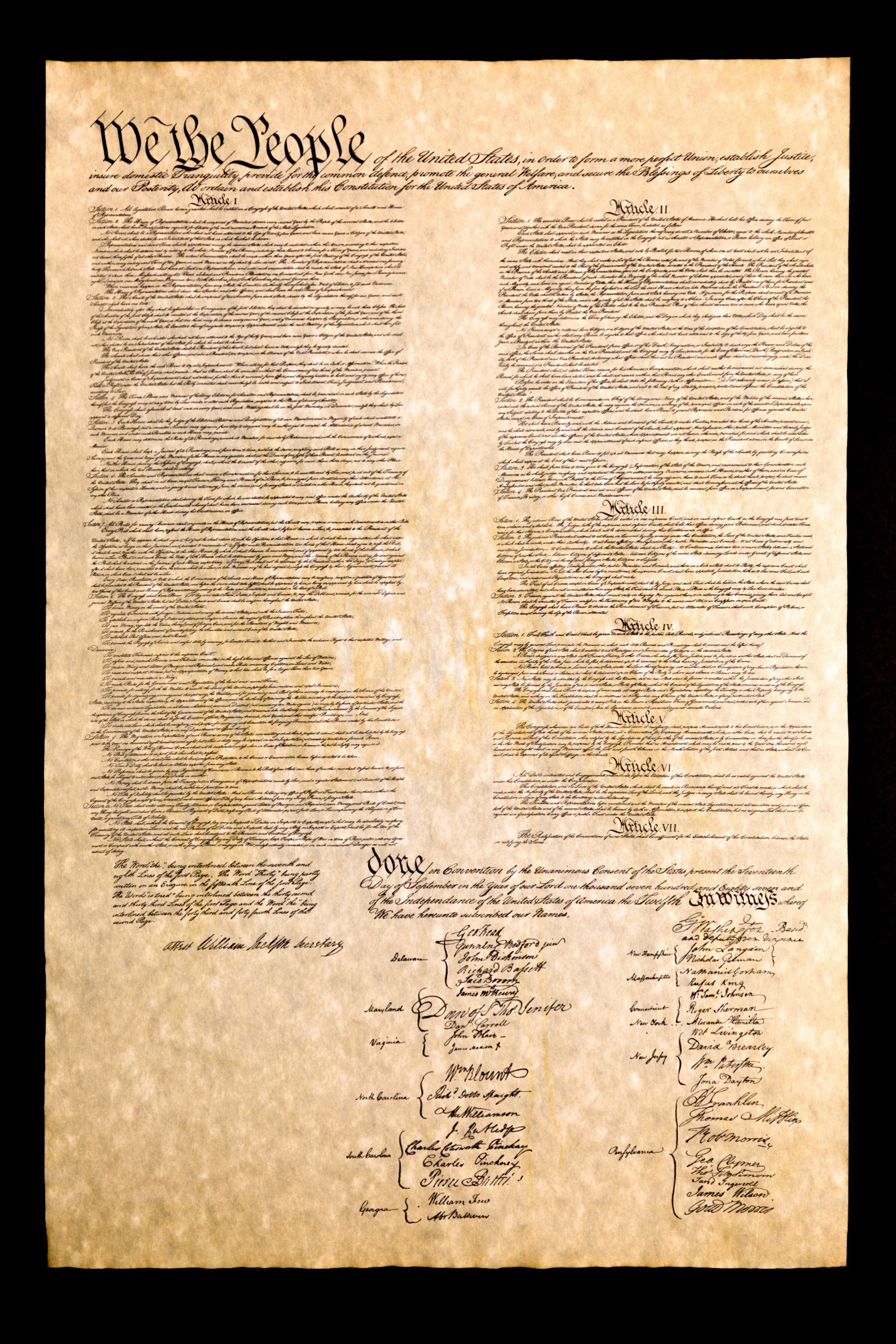
They believed so strongly in protecting individual creativity that they wrote it directly into the Constitution.
Article 1 gives Congress the explicit power to grant patents — it’s one of the few powers the Framers spelled out.
America is a nation of great inventors because we give them the freedom to try out new ideas while defending their property rights.
The formula that keeps working
Once that permission-free culture took root, the sky was the limit for American ingenuity. Even then, not even the actual sky could limit American boldness.
When the Wright Brothers conquered flight, they didn’t ask the government for permission. They knew they had a great idea and decided to build it.
Thomas Edison didn’t wait for the government to give him permission to invent a more effective gas lamp — he took it upon himself to change the world and create the light bulb.
And when Steve Wozniak and Steve Jobs designed the first personal computers in their garage, they didn’t wait for a bureaucrat to give them the go-ahead.
None of them waited for a green light. They believed in their ideas and made them a reality, and all of humanity benefitted immensely as a result.
When people are free to experiment, there’s nothing that can stop us.
Today’s builders are no different
Times might be different, and technologies might change, but the principles that built up American ingenuity haven’t.
Today, entrepreneurs, researchers, and startups are driving a new wave of American innovation.
Whether it’s AI, smartphones, or electric cars, Americans have always led the way when it comes to innovation because they’ve had the freedom to chase their ideas.
No one hands them a roadmap or guarantees the outcome — they just go to work. And they are successful for the same reasons people like Edison and the Wright Brothers were successful.
When we trust people instead of telling them what and what not to do, we can achieve incredible things.
Back to Washington’s desk
The first patent the United States granted was for a process that revolutionized fertilizer production.
Today, we live in a world with airplanes, cars, computers, electricity, and the internet. AI is even a part of everyday life.
All those inventions trace back to that first patent signed in 1790.
That simple document helped lay the foundations of American ingenuity, and the formula hasn’t changed in almost 250 years: Give people the freedom to build, then get out of the way.
Now it’s your turn to take one small step.
Which state do you think contributed the greatest American invention?
Cast your vote and make the case for the innovator who made the greatest contribution.
Because America’s story of innovation isn’t finished — and every state has a role in writing the next chapter.