Fort Hood, Texas. July 1944.
A young Black officer from the 761st “Black Panthers” Tank Battalion is getting his men ready for deployment to Europe. Despite the racial bias in the U.S. Army, he knew his men were more than ready to fight for liberty and send the German army back to Berlin.
Then one day, he boards a military bus after finishing some exams. The driver tells him to go to the back, but he doesn’t move.
He gets hauled in by military police, charged with insubordination, and brought before a court-martial. He knows he won’t join his unit in the fight against Nazism. He’ll have to stay home and fight for his honor and liberty before a military tribunal.
He sits before the tribunal without flinching and makes a simple case to the jury: Treating a loyal and competent officer as a second-class citizen is un-American and unjust.
The all-white jury acquits him.
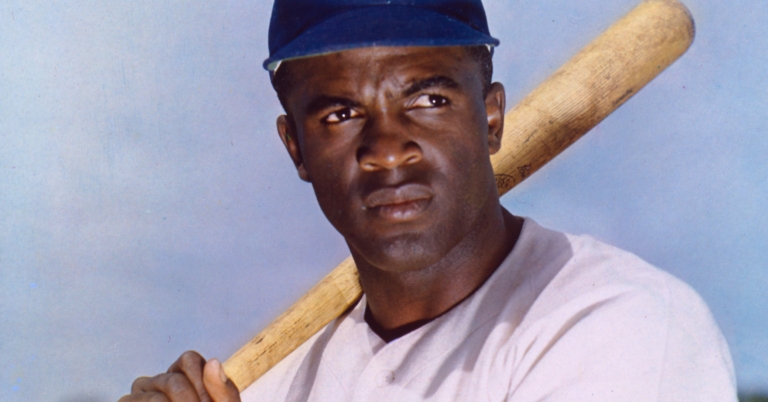
Little did the jury know this wouldn’t be the last they heard of this man, Second Lieutenant Jack “Jackie” Robinson.
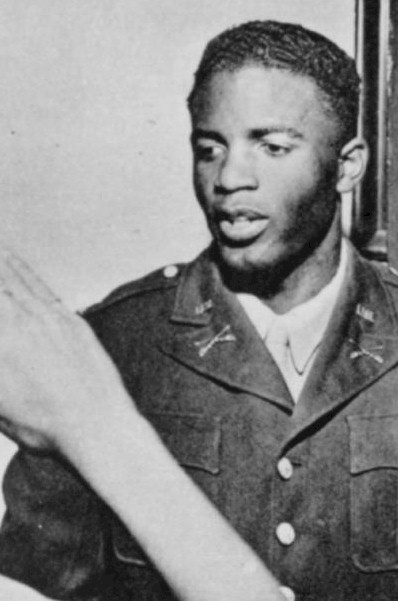
Born on January 31, 1919, in Cairo, Georgia, Robinson was the youngest of five children. His mother, Mallie, moved the family west to Pasadena, California, working day and night as a domestic worker to keep her family together.
It was not an easy life, and Robinson knew he had to outwork everyone to realize his version of the American Dream.
He excelled in high school sports, which earned him a ticket to college. By the time he graduated from UCLA, he became the first athlete in the university’s history to letter in four sports in a single year — football, basketball, track, and baseball.
When he finished his service in the Army, Robinson continued his career playing in the segregated baseball leagues for the Kansas City Monarchs. One day, a meeting with an MLB executive would give him the opportunity of his life.
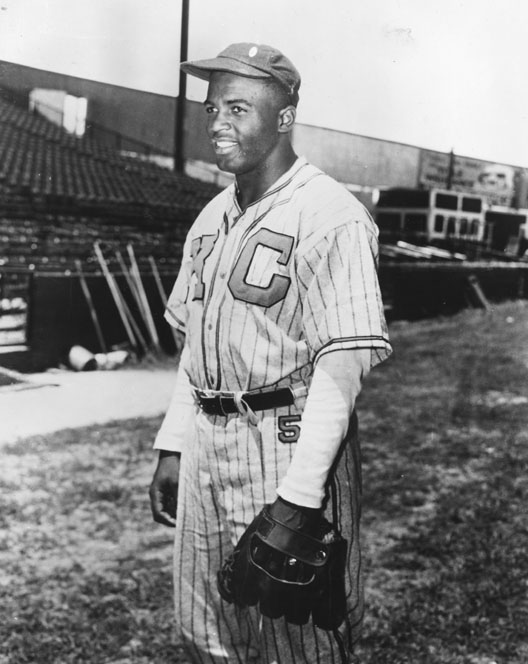
In 1945, Brooklyn Dodgers General Manager Branch Rickey came to Robinson with a proposal to break baseball’s color barrier, which had kept Black players out of the major leagues for over 60 years.
Rickey had only one condition. He knew Robinson was going to face unprecedented abuse, so he wanted a man who (in his words) had “guts enough not to fight back.”
Robinson said yes.
On April 15, 1947, he walked onto Ebbets Field as the first Black player in Major League Baseball in the modern era.
But he didn’t get a warm welcome.
Inside the dugout, many of his own teammates petitioned to have him removed from the roster. On the road, rivals made sure he heard every slur they could throw at him. None louder than Philadelphia Phillies manager Ben Chapman, who directed his entire bench to rain abuse on Robinson during a game in front of a packed stadium.
Robinson dug in and didn’t react. He refused to give them the satisfaction. He just kept playing ball.
And he played it extraordinarily well: Rookie of the Year in 1947, six World Series appearances, a championship in 1955, and the Hall of Fame in 1962.
By the time he retired, the man his own teammates had tried to push out of the league was one of the most respected players the game had ever seen.
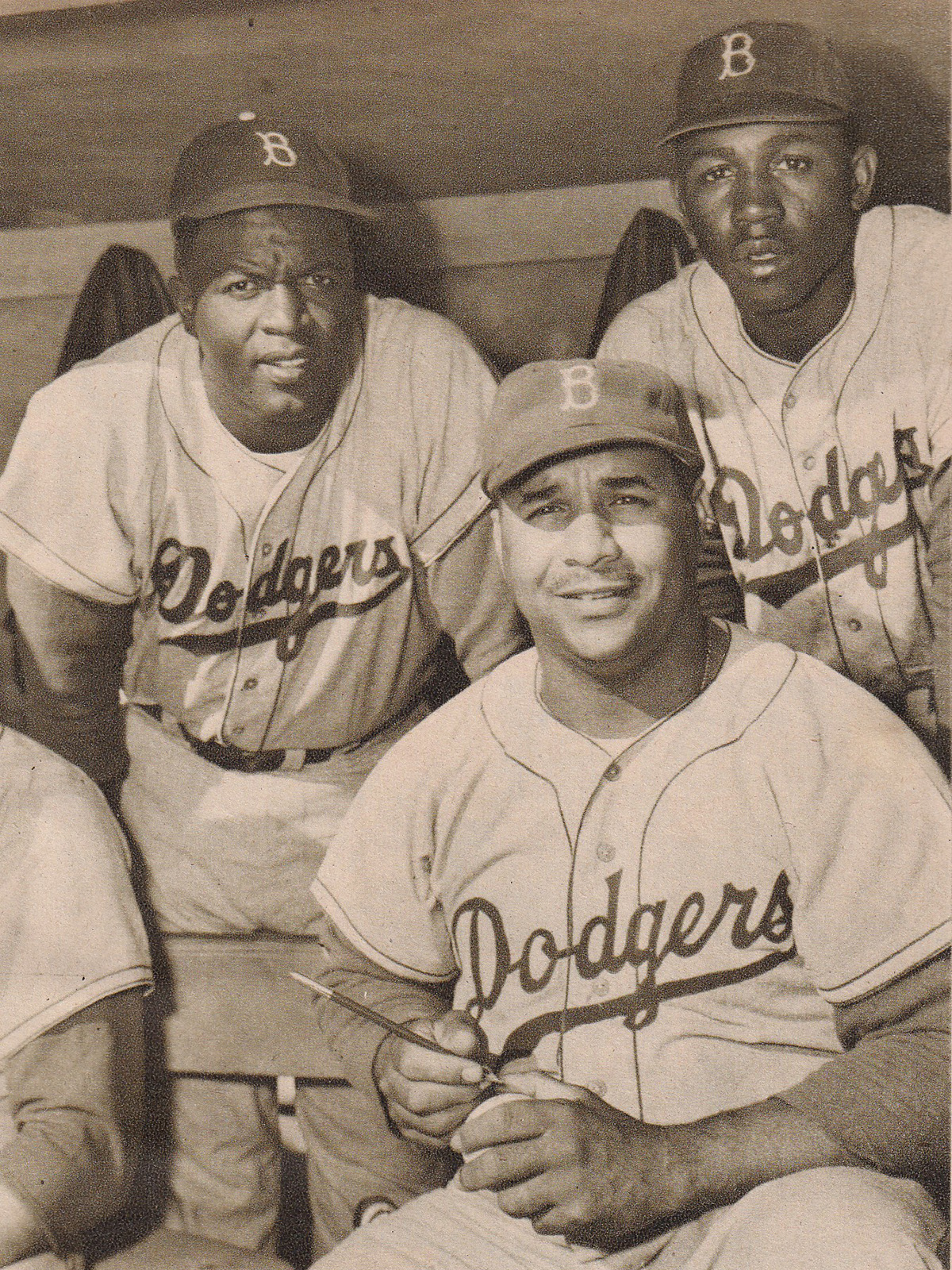
Robinson wasn’t done when he hung up his cleats in 1956. He kept working as hard off the field as he had on it.
He founded Freedom National Bank in Harlem, one of the country’s largest Black-owned banks at the time, because he knew that economic freedom and opportunity are the best ways to help people thrive.
He became the first Black American to serve as vice president of a major American corporation. He opened a construction company to build housing for low-income families in communities that had been left behind.
And he kept showing up in civic life — working with the NAACP, backing candidates from both parties based on principle, and marching alongside Dr. Martin Luther King Jr. in Washington in 1963.
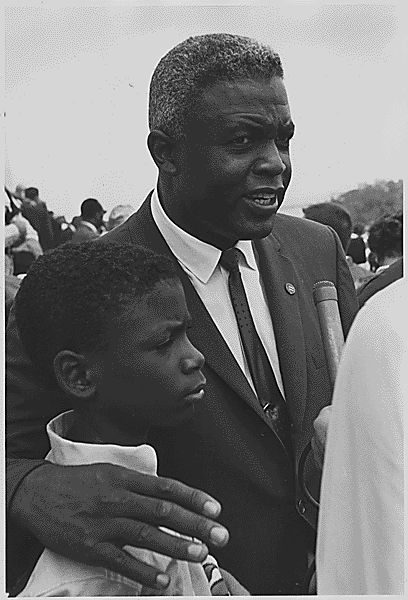
Whether he was standing before a court-martial, stepping onto Ebbets Field, founding a bank in Harlem, or marching peacefully for civil rights, Robinson was fighting for a very American principle: that all men are created equal and are given unalienable rights.
Robinson’s legacy is as alive today as it was back then.
Every generation faces its own test — ours is no different.
We must decide whether we will protect the principles that made this nation exceptional: dignity, freedom, limited government, the rule of law, civic duty, and equal protection under the law.
That’s what the One Small Step campaign is about. Ordinary Americans choosing to act, just like Jackie Robinson did when he stood up for his dignity in Fort Hood, walked onto Ebbets Fields in 1947, and founded Freedom National Bank.
Now it’s our turn. Join us. Take one small step to keep the American Dream alive.
© 2026 AMERICANS FOR PROSPERITY. ALL RIGHTS RESERVED. | PRIVACY POLICY
Receive email alerts to learn how to get involved