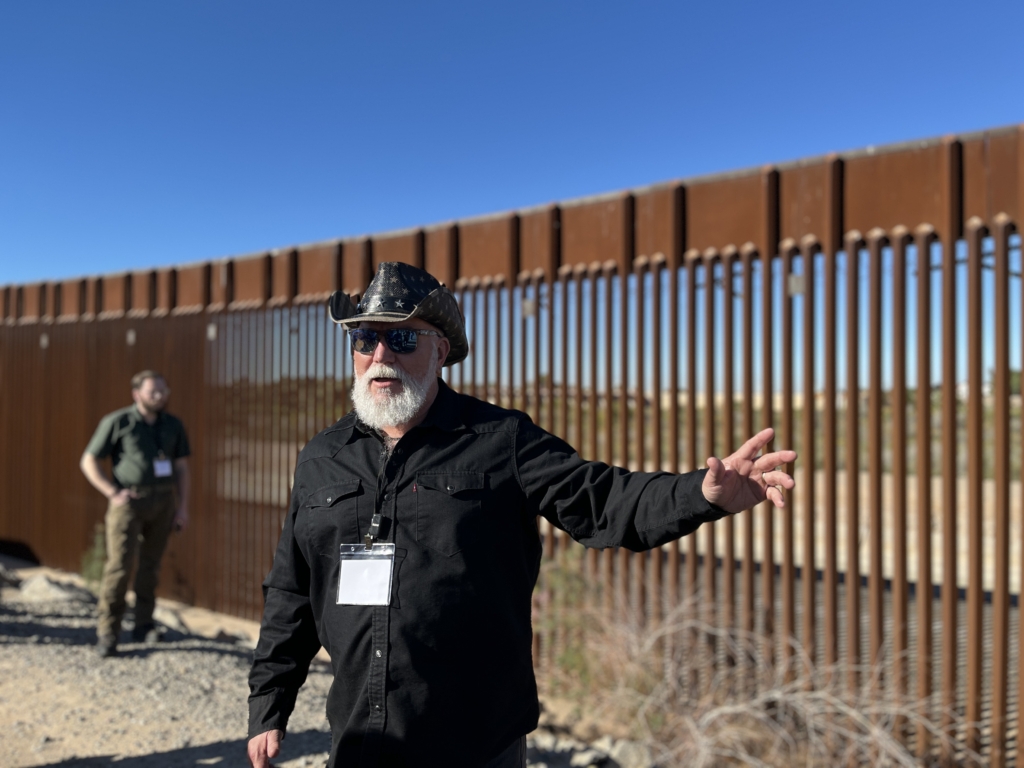
Americans for Prosperity recently visited Yuma, Arizona, which borders Mexico, to assess the state of our southern border.
We’re glad to report that the border is in order.
This is much-needed good news after the years of disastrous policies under the Biden administration that created a massive crisis at the border. One in which an average of 1,000 migrants were crossing into the United States every day through what was called the “Yuma Gap.”
Border Patrol, who briefed the group, reported that they are now seeing just five encounters per day, a stark contrast to the unmanageable crisis created by the Biden administration.
As we spoke with farmers, Border Patrol agents, and community members, we learned that things today are very different: America (finally) has operational control over its own border.
But they also told us there is still work to do now that the border is secured: make sure the people in office will keep it that way, and update our broken immigration system.
Yuma: A 180-degree change
A small, rural town, Yuma’s resources were stretched to their limits during the border crisis presided over by the Biden administration.
Chief Chris Clem, retired chief patrol agent of Border Patrol and former senior advisor to the Office of Refugee Resettlement, sat down with local Yuma officers and farmers, and they all painted the same stark picture: Yuma was a town on the verge of collapse.

Here’s what was happening:
- Hospitals were forced to turn patient rooms into temporary housing for migrants.
- Dealing with the crisis quickly depleted the city’s budget.
- Law enforcement and emergency crews were stretched thin, taking away resources from the community.
- Schools ran out of space, with classrooms packed well beyond capacity.
- Local officials scrambled to move people out of the city, but with limited transportation options, many migrants were stuck in Yuma for days or weeks.
- Migrants, left with no place to go, trampled crops, forcing local farmers to sometimes destroy acres of produce to ensure food safety compliance. This was a food security issue since 90% of America’s leafy greens are grown in Yuma during the winter months.
This wasn’t sustainable — and it wasn’t fair to the families and farmers who call Yuma home.
But that all started to change when Donald Trump was sworn into office.
The new administration pushed for commonsense policies that got the border under control. And thanks to the Working Families Tax Cuts, also known as the One Big Beautiful Bill, we finally now have the resources to enforce the rule of law at our southern border.
AFP saw the results.
Yearly encounters at the border went down from over 300,000 in December 2023 to less than 11,000 in November 2025.
Yuma officials finally had the bandwidth to take care of the community
Farmers aren’t worried about destroying their crops because illegal crossings disrupt the fields.
Things are getting better at the border, but there’s still room for even more improvement — especially when it comes to our outdated immigration and visa system.
Update our broken immigration system
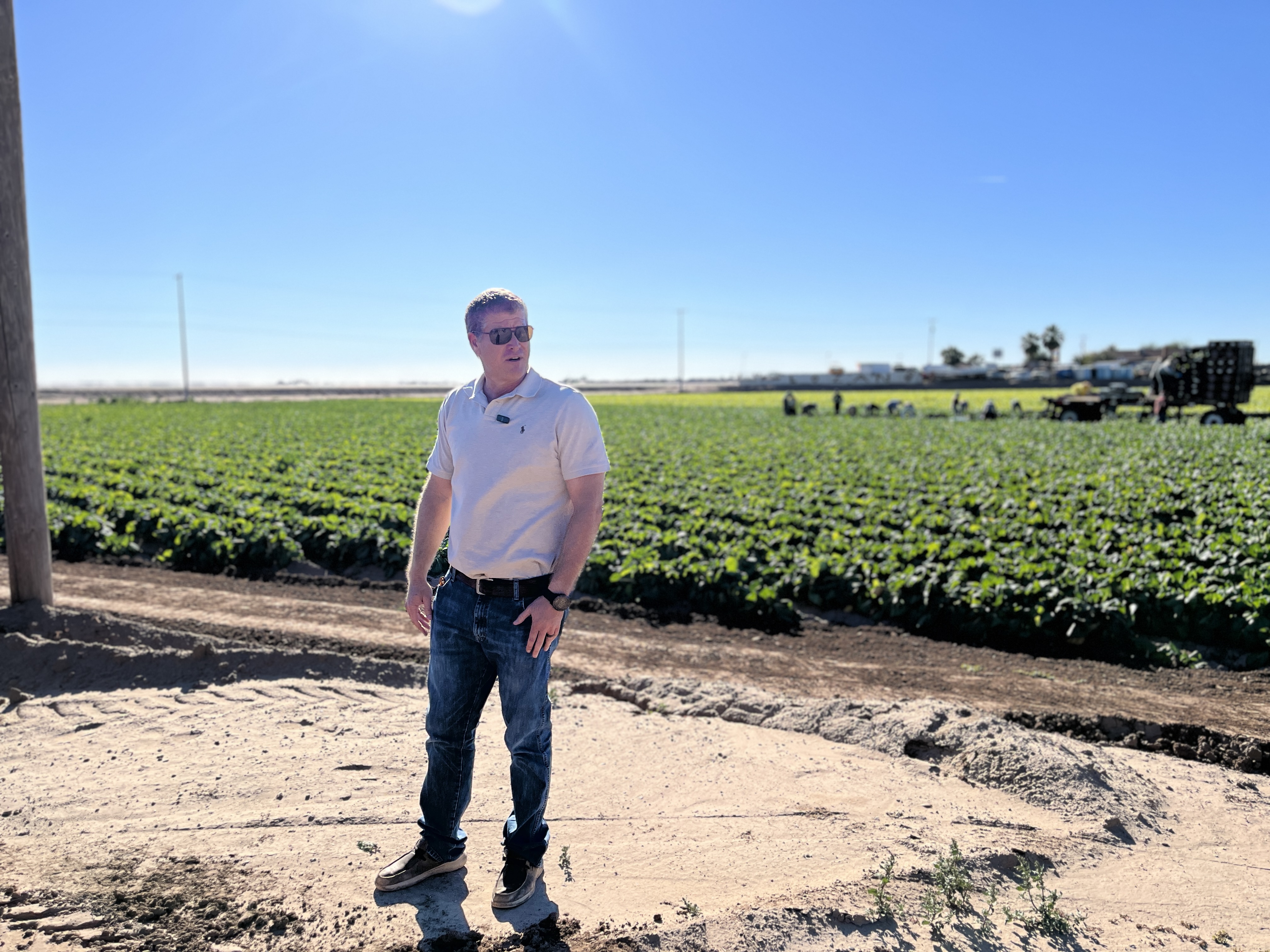
Corey Mellon, a local farmer, reminded us how much our broken immigration system affects grocery prices.
Yuma is one of the most important farming regions in the country, producing the vast majority of the leafy greens that you’ll find in your salad between November and April.
But harvesting requires a large workforce, and for many farms, seasonal workers are key to getting those crops out of the ground on time.
The workers come legally during the harvesting season, providing critical labor to the farms in Yuma, and once the season is over, they return home.
When it works, this system is a win-win: Farmers get the labor supply they need, temporary workers get some extra pay, and American consumers get leafy greens at an affordable price.
But the visa system is a mess.
Even when farmers try to hire legally, it can take months for workers to arrive — if they arrive at all.
And whenever there’s a hiccup, crops go unharvested. For example, the last government shutdown paralyzed the visa process for temporary agricultural workers, leaving many farms struggling to find enough.
And that makes your life more expensive.
The way forward: The four pillars we need
As Yuma’s experience makes it clear, half-measures won’t get the job done.
And as Chief Clem said: We need both border security and immigration reform — not one or the other.
That’s exactly what AFP’s “Four Pillars of Border Security and Visa Reform” lays out for lawmakers. America needs:
- A secure border
- A system that bolsters our economy
- Clear and predictable immigration rules
- Transparency and accountability in how we enforce our policies
We can’t fix one part of the problem and ignore the rest. Border security and immigration fixes must move forward as a package — and now is the moment to do it.
If you want to be part of the solution, click here to learn more!