
Washington has a bad habit of keeping failed policies alive long after they stop working. The Jones Act may be one of the worst examples.
This 100-year-old law was supposed to strengthen American shipping and protect national security.
Every time there’s a crisis, Washington waives the act, an admission that the law does nothing to keep America safe.
What’s more, this law has inflated prices, weakened competition, and left consumers paying for its failures.
Americans already pay enough at the grocery store, the gas pump, and on their monthly bills.
They shouldn’t have to keep paying for a failed century-old law, too.
The Jones Act makes America less affordable, less competitive, and less prepared — and every emergency waiver proves it.

What is the Jones Act?
Passed in 1920, the Jones Act requires that goods transported between U.S. ports be carried on ships that are:
- Built in America
- Owned by Americans
- Flagged in America
- Crewed primarily by Americans
The law was meant to protect national security and help America’s shipbuilding industry.
It has clearly failed on both fronts.
Repealing the Jones Act is not about giving up on American shipping. It is about ending a protectionist policy that has left America with fewer ships, higher costs, and less resilience.
The Jones Act doesn’t make us more competitive
Instead of creating a thriving American shipping industry, the Jones Act created an industry with fewer ships, higher costs, and less competition.
Today, the United States carries less than 2% of the world’s seafaring trade. America has only around 180 U.S.-flagged merchant ships, and fewer than 100 fully comply with the Jones Act requirements.
Even worse, America’s shipping fleet is aging fast. Most U.S. container ships are more than 20 years old, and many are over 30.
Instead of strengthening American shipping, this law has created fewer options, less competition, higher prices, and weaker supply chains.
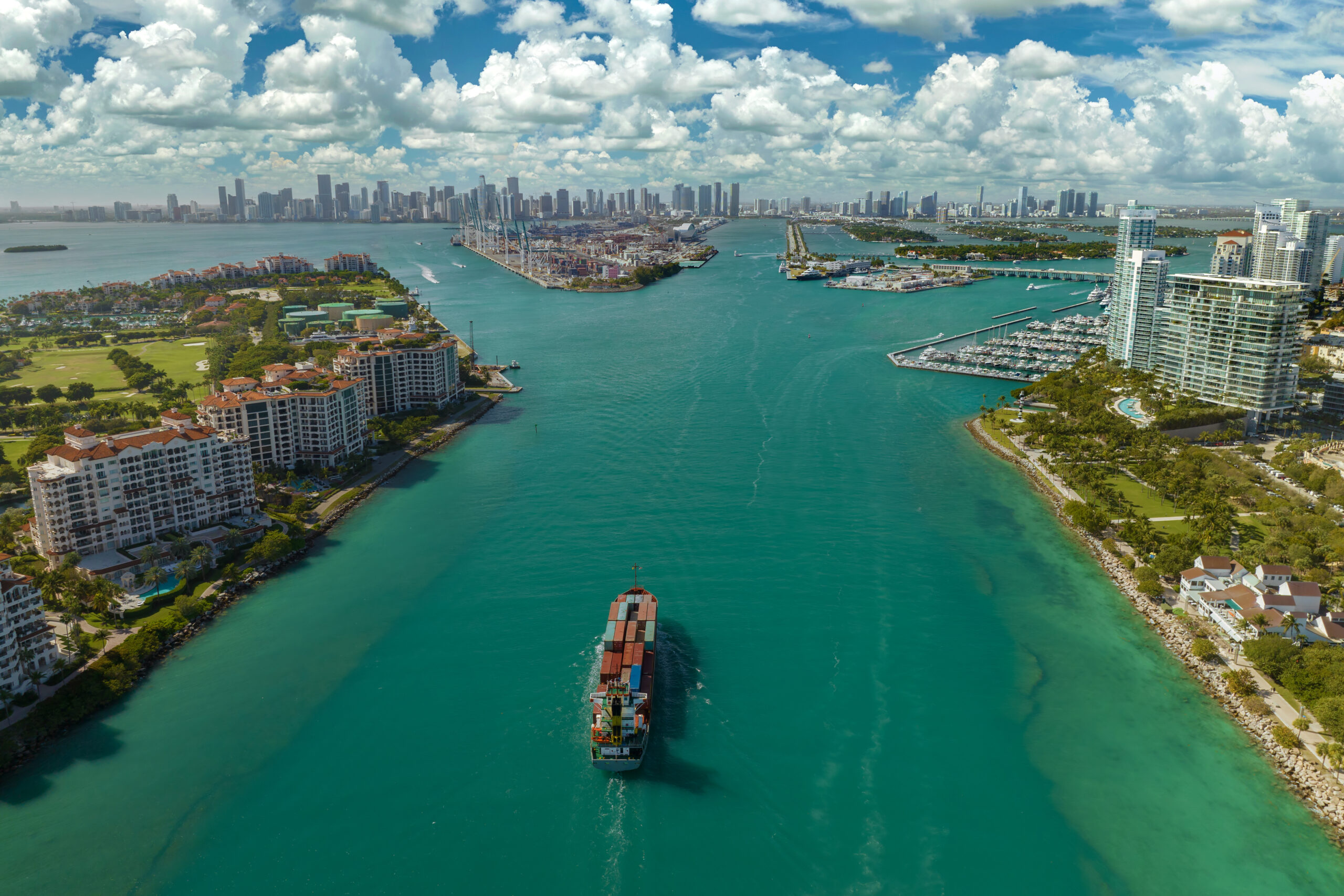
The Jones Act doesn’t make us stronger
The Jones Act was also intended to strengthen national security by ensuring the United States wouldn’t have to rely on foreign ships during emergencies.
It has failed miserably at that job as well.
In fact, Washington suspends the law almost every time there’s a national emergency.
The Jones Act has been waived during:
- World War II
- The Korean War
- The Gulf War
- Hurricanes Katrina, Harvey, Irma, and Maria
Why?
Because during a crisis, America needs supplies delivered quickly and affordably — regardless of where the ship was built.
That’s the uncomfortable reality lawmakers rarely admit: The Jones Act actually limits America’s shipping flexibility during emergencies.
If a law meant to reinforce our national security needs to be waived every time there’s a crisis, then the law has failed to make America safer.
Americans pay the price
Shipping goods on Jones Act-compliant vessels can cost nearly three times more than using foreign ships. Businesses pass those costs directly to consumers.
That means Americans pay more for:
- Food
- Gasoline
- Construction materials
- Consumer goods
Families in Alaska, Hawaii, and Puerto Rico often get hit especially hard because they rely heavily on maritime shipping.
The law also makes it harder to get cheaper, affordable energy.
Despite being one of the world’s largest producers of liquefied natural gas, the United States only has one Jones Act-compliant LNG tanker available to transport energy between American ports.
While America exports energy overseas, some Americans still struggle to access affordable domestic energy.
It’s time for Congress to end the Jones Act
After more than a century, the evidence is overwhelming: The Jones Act has failed.
It has not strengthened national security. It has not spurred American shipbuilding. And it has not helped working families afford everyday life.
Instead, it has acted like a hidden tax on the American economy — raising costs, limiting competition, and making it harder to move essential goods when Americans need them most.
That is why President Trump’s recent suspension of the law matters. When supply chains are strained, and affordability is on the line, Washington is forced to admit what families and businesses already know: The Jones Act gets in the way.
Let Congress know they should stop treating affordability and supply-chain flexibility as temporary emergency measures. If waiving the Jones Act helps in a crisis, repealing it would help Americans every day.