
Americans are working hard to get ahead, but too many families feel like they’re still falling behind.
Housing, groceries, and energy costs are taking a bigger bite out of every paycheck and making the American Dream feel further out of reach.
For decades, layers of rules, permits, regulations, and government barriers have made it harder to build, grow, and compete. Whether it’s owning a home, starting a business, or giving families more choices, the system has driven up prices across many sectors.
When the government blocks people from building and competing, prices rise and families pay the cost.
Washington often responds to problems with more spending, more subsidies, and more red tape. But those approaches usually lead to higher costs and lower-quality products and services.
There is a better way: Remove barriers so that competition, innovation, and increased supply can lower costs.
Competition gives families more choices
Competition is simple: When businesses have to compete for customers, they must earn your trust with better service, better products, and better prices.
That is why barriers to entry matter. Every time government makes unnecessary rules or regulations, it becomes harder for new businesses to enter the market, while established companies are better able to absorb the costs.
Big companies with lawyers and lobbyists can handle complex rules. Small businesses often cannot.
That means starting a business, building a home, or offering a service becomes more expensive, and the added cost usually passes to consumers.
That is not a free market. That is a system that protects the well-connected and elite at the expense of everyday Americans.
Families win when businesses are free to compete, giving people more choices and putting downward pressure on prices.
Innovation helps us do more with less
Innovation is one of the strongest forces for lowering costs.
- Better tools help farmers grow more food.
- Smarter systems help businesses move goods faster.
- New health care models can help patients get care without layers of middlemen.
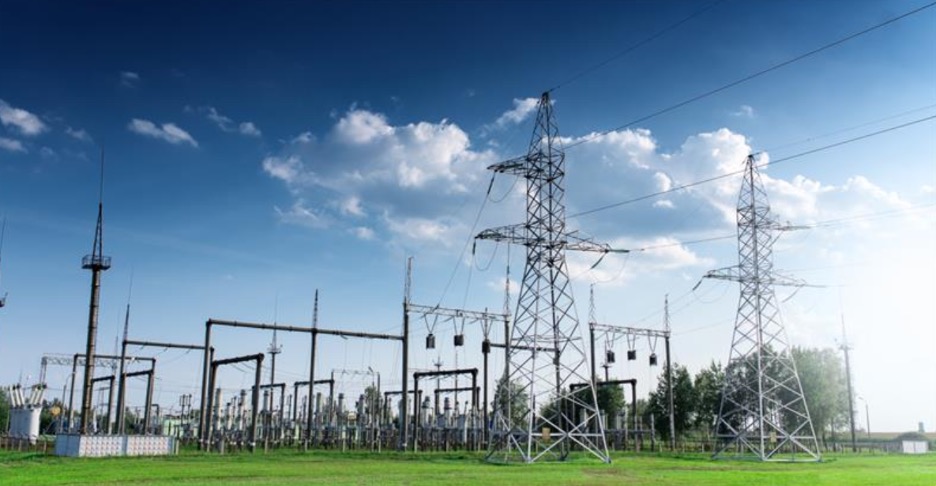
- New energy technology can help power homes, businesses, and American industries.
But innovation cannot thrive when government treats every new idea like a threat. Outdated rules and approval processes slow progress, limit supply, and leave families without the goods and services they need at reasonable prices.
America should be the best place in the world to build, create, and solve problems. That starts by trusting people more than bureaucracy.
Removing barriers brings prices down
We’ve seen prices drop when the government gets out of the way.
Before airline deregulation in 1978, Washington controlled many airline routes and fares. After Congress opened the industry to more competition, air travel became cheaper and more accessible.
One analysis found that airline prices fell 44.9% in real terms in the 30 years after passenger deregulation.
Today, too many communities make it hard to build homes. Zoning rules, land-use restrictions, and costly mandates limit supply. When fewer homes are built, families compete for what’s available. Prices go up.
Energy works the same way. Families, farms, factories, grocery stores, data centers, and hospitals all depend on reliable power. But energy projects can get trapped in years of permitting delays. That means less supply, less reliability, and higher costs across the economy.
There is a trend: Removing barriers enables innovation, expands supply, and lowers costs.
Congress should remove the barriers

Congress has a choice: to keep adding more bureaucracy or to remove the barriers that make life more expensive.
That means streamlining permits, removing rules that block new housing, and protecting workers and entrepreneurs from rules that limit choice and growth.
A better future is possible when people are free to build, work, create, and prosper. That is how we lower costs, expand opportunity, and restore the American Dream.
Join us and tell Congress: Remove Barriers. Lower Costs. Restore the American Dream.