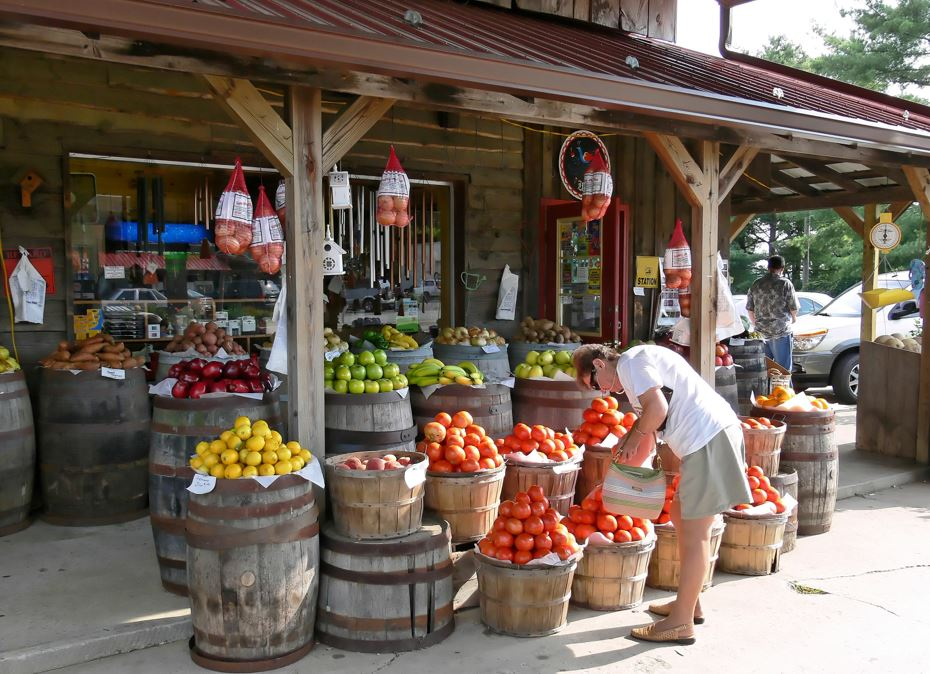
For many Americans, a simple trip to the grocery store has become a stressful mental calculation. Families scan prices, swap items for cheaper options, and wonder why the same cart costs so much more than it did just a few years ago.
Rising food prices and grocery inflation are symptoms of deeper problems in the economy that lead to a cost-of-living squeeze.
Americans didn’t suddenly stop working hard. The problem is that the system around them, from energy policy to supply chains, has become more expensive and more complicated.
Your grocery bill reflects costs across the entire food chain, including land prices, energy, packaging, transportation, labor, and government regulations. When costs related to any of these components go up, your grocery bill does, too.
The good news? Many of the costs driving up grocery prices come from barriers that policymakers can remove.
Energy costs: the hidden ingredient in your grocery bill
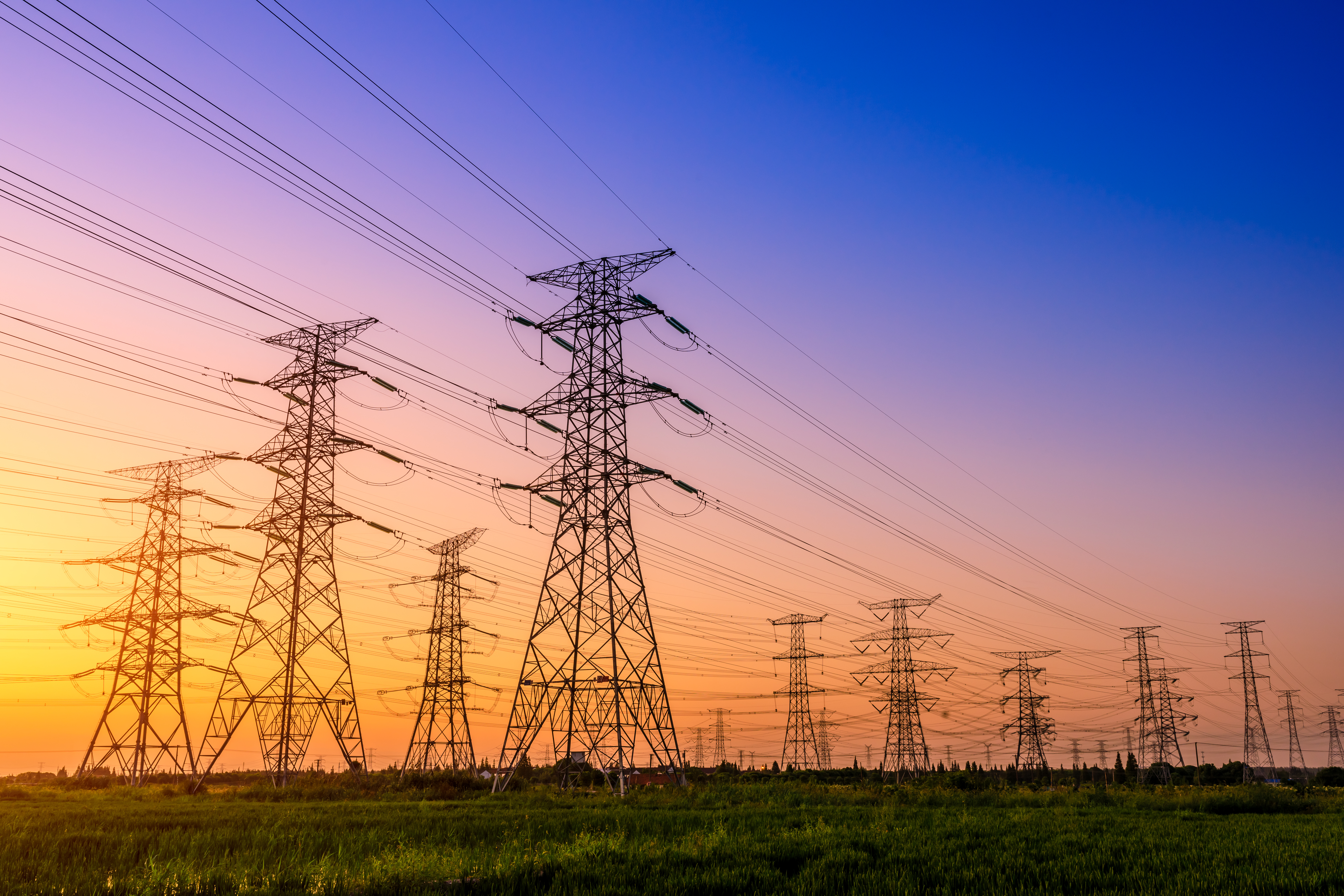
So, why are groceries so expensive right now? One major reason is energy costs. Energy prices affect nearly every aspect of American life.
Food prices are the result of a long supply chain, from farms and factories to trucks and grocery shelves. When costs rise at any point in that chain, those increases eventually show up at the checkout line.
The food supply chain relies on energy. Farmers need it to harvest crops. Processors need it to package foods. Supermarkets need it to keep products fresh.
When energy becomes more expensive, or when reliability is an issue, the cost of growing, processing, refrigerating, and transporting food rises as well.
Lower energy costs for farmers, food processors, and grocery stores ultimately mean lower costs throughout the food supply chain, including at the checkout line.
Faster approvals, known as permitting reform, can increase supply and bring prices down. When it takes years to approve energy projects or pipelines, energy becomes more expensive.
Bills like the PERMIT Act restore the original intent of the permitting process by grounding it in sound science and predictable standards, limiting the politicization and bureaucratic overreach that have stalled energy projects for years.
Transportation: how moving food drives up prices
Transportation is another critical component of the supply chain. Even if our food is sourced domestically, getting fresh oranges from Florida to cold, land-locked North Dakota is no easy feat, especially in the winter months.
Labor strikes, port delays, and international conflicts all slow down food transportation, another factor that pushes groceries higher.
Shipping rules are just one instance where government regulations can raise costs throughout the food supply chain.
For example, the Jones Act requires that goods shipped between U.S. ports be carried on vessels that are built, owned, and crewed by Americans. While intended to protect the domestic shipbuilding industry, this law dramatically raises shipping costs by limiting competition and reducing the number of eligible vessels.
Regulations: “extra fees” you don’t see on the receipt

Regulations are a hidden tax on American consumers. The millions of pages of rules that businesses must comply with raise their costs, which businesses have no choice but to pass on to customers.
Sound, science-based regulations protect Americans, but rules often overlap or create unintended barriers to competition.
Take a U.S. Department of Energy rule proposed a few years ago. It would have altered standards for commercial refrigerators and freezers, forcing grocery stores to purchase more expensive appliances. Consumers would have seen their food costs jump even higher if this rule had remained on the books.
Rolling back costly regulations is a key component of any affordability agenda.
What can actually help? A limited-government affordability agenda
Affordability comes from abundance. When policymakers stop stacking unnecessary costs on farmers, truckers, and grocers, families can see relief at the register.
Making groceries more affordable means removing barriers across the entire supply chain:
- Approve energy infrastructure faster
- Reduce shipping and transportation costs
- Cut outdated regulations that raise business costs
- Rein in federal spending that fuels inflation
Nearly 3 in 4 Americans (73%) say federal government actions raise consumer prices, and two-thirds (67%) say government regulations specifically increase costs.
It’s time for change.
Bottom line: Groceries get cheaper when policymakers prioritize abundance

For millions of Americans, the American Dream feels out of reach. Food costs are one reason.
But solutions exist. Groceries would be more affordable if it were easier and cheaper to ship goods around the country.
The path back to affordability is clear: prioritize abundance, competition, and opportunity so Americans can quiet their mental calculators and focus on feeding their families.
Ready for a better way? Click here to learn how AFP’s affordability agenda focuses on abundance, competition, and opportunity, enabling paychecks to go further at the grocery store and beyond.