


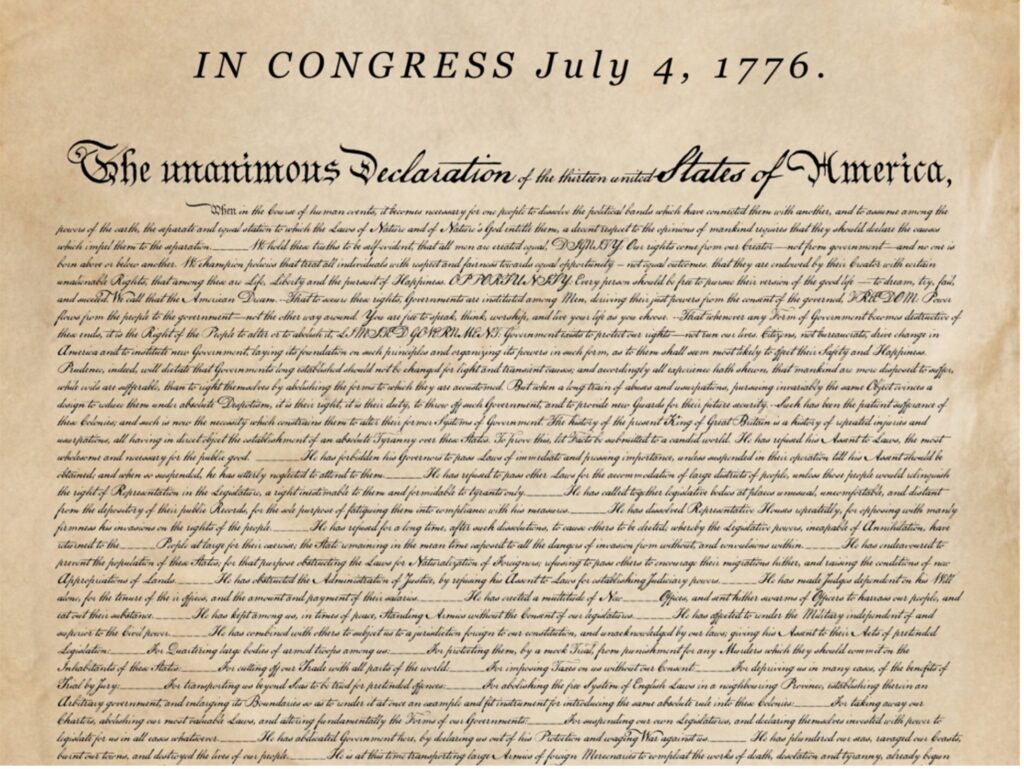
The Declaration of Independence rests on a revolutionary idea: Our rights don’t come from government. Self-governance is rooted in the belief that people are born with inherent rights and that governments are established to protect them.
In practice, this idea means legitimate government depends on the consent of the governed.
This article will explore important questions like:
- What is self-government?
- How has this idea shaped our country and our communities?
- How can Americans keep the spirit of self-governance alive through civic responsibility, local action, and accountability?
WHAT IS SELF-GOVERNMENT?
Self-government means people have the freedom and responsibility to govern themselves. Instead of being ruled by a king or other distant authority, citizens have a voice in choosing their leaders and shaping the laws that affect their lives.
Most Americans know about the Boston Tea Party. It’s often remembered as a protest over a tax on tea. But it was really about something bigger: whether people should have a voice in the government that ruled them.
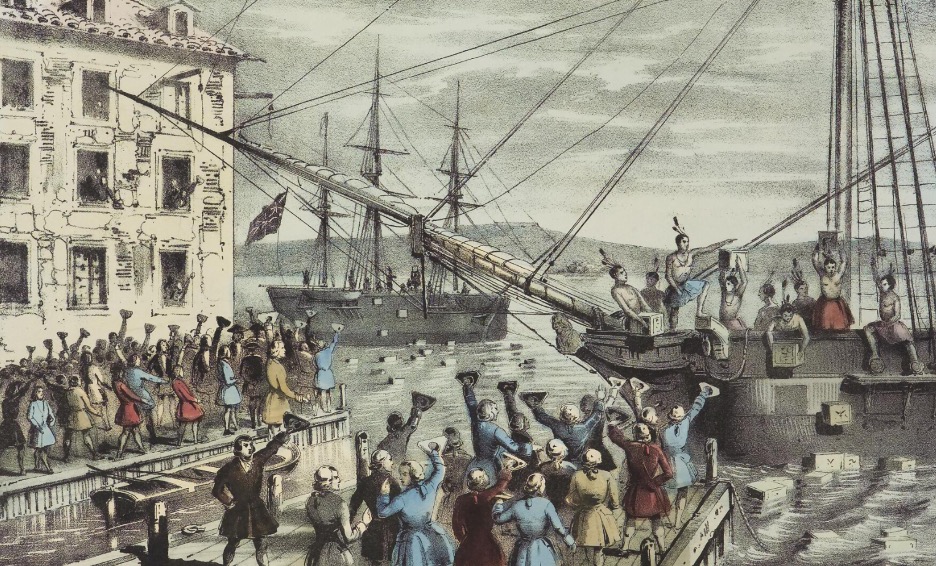
Here’s what happened: British rulers imposed objectionable laws and taxes — including a tax on tea — without any input from the colonists. And once the laws were in place, colonists had no opportunity to challenge them or to remove the officials responsible for them. They had no say in how they were governed!
The Declaration of Independence offered a different vision: a government that derives its just powers from the consent of the governed. A government that existed to protect our natural rights and not much more.
That is the heart of self-government. It means the government’s primary roles are to:
- Protect rights
- Enforce laws equally
- Let people live according to their values and aspirations
This idea of individual liberty still shows up in our civic life today. For example, low taxes and light regulations on businesses can empower entrepreneurs to start ventures, take risks, and provide real value for their communities — and the country.
WHY SELF-GOVERNANCE DEPENDS ON CIVIC RESPONSIBILITY
Self-government depends on engaged citizens.
Click here or on the picture below to watch AFP’s latest 30-second ad focusing on civic duty and the reasons people are taking their “One Small Step.”

Every giant leap in our nation’s history began with small, intentional steps taken by everyday people, not government.
The Founding Fathers imagined a society where power rested with the people. By protecting individual liberty and limiting government, they created space for the innovation, openness, creativity, and entrepreneurship that have made America so great.
That connection is important: Self-governance is not passive. The “pursuit of happiness” depends on citizens who take part in their communities, their economy, and their elections.
In other words, self-governance must come alongside a healthy spirit of civic responsibility. Individual liberty and responsibility are forever linked because a free society cannot survive when power becomes concentrated in the hands of a limited number of people who write the laws, enforce them, and decide what is legal. Citizens must speak up, help shape daily life, and hold leaders accountable.
HOW AMERICANS CAN KEEP SELF-GOVERNMENT ALIVE
Self-government grows stronger when ordinary people take small steps to improve their communities and participate in civic life.
And there are so many ways to engage in civic life. Here are a few high- and low-tech ways to make your community or country better:
- Sign an online petition calling for action on an issue you care about
- Grab a neighbor and head to an election-year debate between people vying for a state legislative seat or a spot in Congress
- Write a letter to the editor of your local newspaper offering ideas for how to improve your community
- Coach a local soccer or softball team
- Volunteer at your child’s school
To inspire others, share your commitment to civic responsibility and action with your fellow Americans. Use #OneSmallStep on social media to tell us how you are keeping the idea of self-government alive.
TAKE ONE SMALL STEP: READ THE DECLARATION OF INDEPENDENCE
The Declaration of Independence represents an immutable truth: It is up to us, not government, to improve our own lives and the lives of others.
In America, we don’t wait for government to solve every problem — we step up. Local and individual action is one way we can keep the American spirit alive.
More than 250 years after it was written, the Declaration continues to challenge each generation to protect freedom and practice self-government.
Take a few minutes to read the Declaration of Independence and reflect on its enduring principles.