

The shoes on your feet, the laptop on your desk, the ice-cold bottle of Coke in your hand. We take these things for granted; they’re part of our day-to-day.
But for most of our history, they weren’t. It took a driven entrepreneur willing to make their novel ideas a reality.
The story of an entrepreneur working extra hours to bring their vision to life is as American as apple pie.
America has always been a place where entrepreneurs with a bold idea have the freedom to pursue them and change the world.
These stories are proof of that.
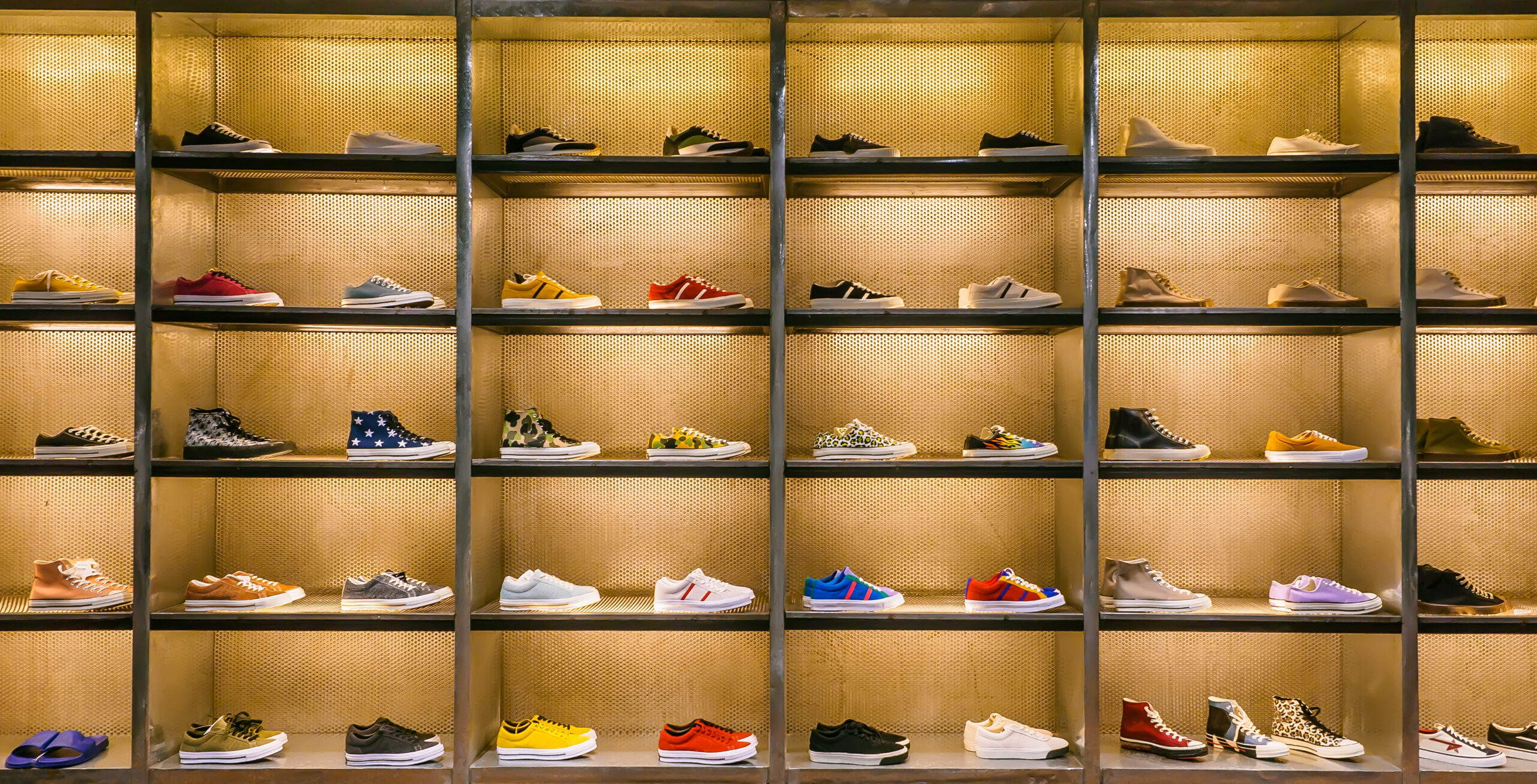
The running shoe — Oregon
In 1964, Phil Knight and his college coach, Bill Bowerman, pooled $500 each and started Blue Ribbon Sports, a company that imported Japanese shoes and sold them out of the trunk of a car at track meets.
They didn’t have much capital, a big marketing campaign, or even a shop. But they knew there was a market gap they could fill.
Bowerman kept tinkering, and one morning, he poured rubber into his wife’s waffle iron to test a new sole pattern. That kitchen experiment became the waffle sole, one of the most iconic designs in sneaker history.
They had a product that would change sports, and, in time, a name that fit better.
Blue Ribbon Sports became Nike, the biggest sportswear company in the world.
Coca-Cola — Georgia
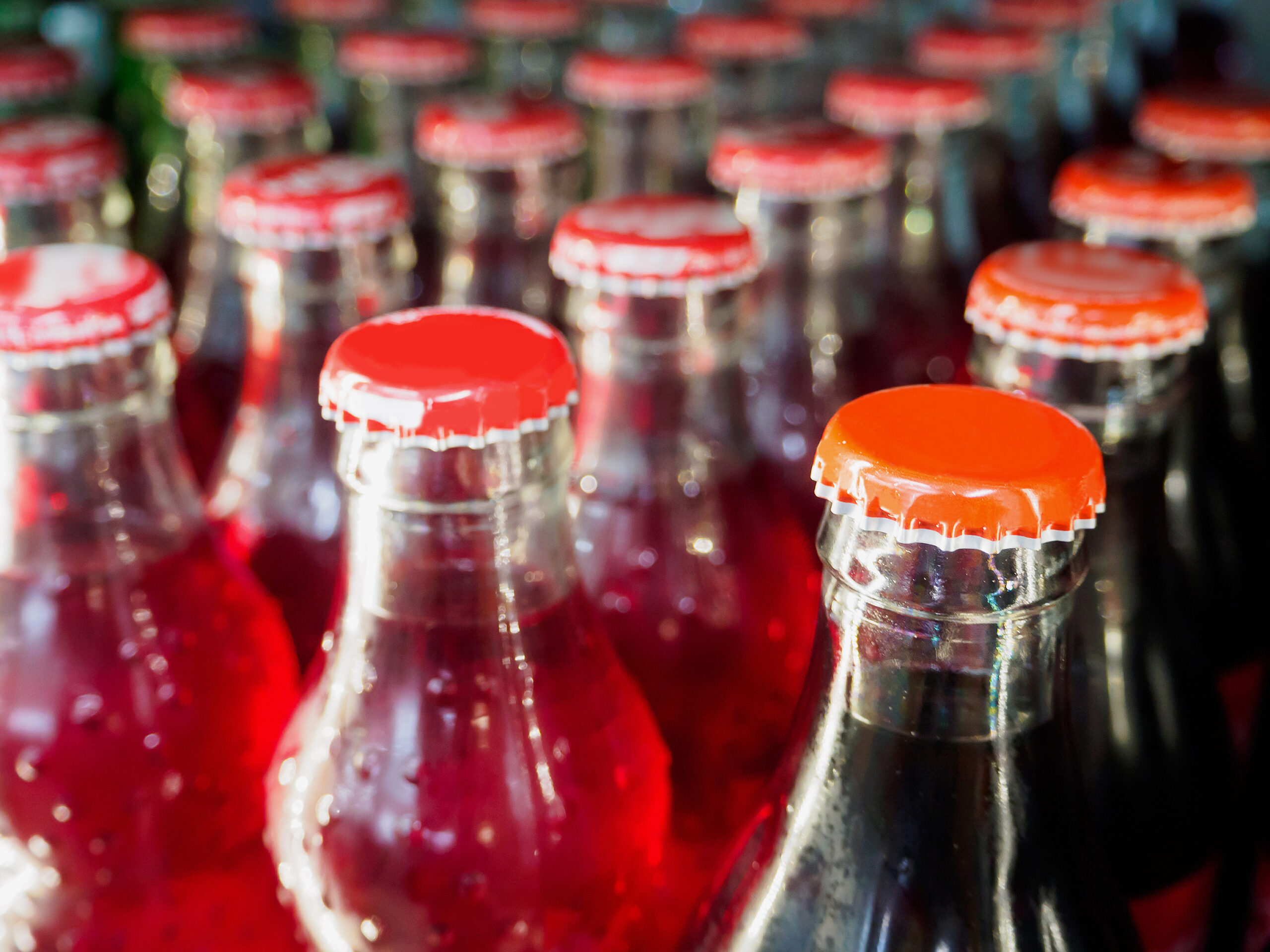
In 1886, pharmacist John Pemberton was mixing syrups in a brass pot in his backyard in Atlanta. At the time, there was a soda craze raging across America, and Pemberton wanted to get in on it.
After a few attempts, Pemberton found a recipe based on the African kola nut that he knew was the one. He carried a jug down to a nearby soda fountain, mixed it, and sold his new “Coca-Cola” for five cents a glass.
In its first year, Coca-Cola averaged nine servings a day; today, billions of people drink it.
While Pemberton never saw what his backyard experiment would become, the origin is the definition of the American entrepreneurial spirit.
Air conditioning — New York
In 1902, a Brooklyn printing company had a problem: The summer heat was ruining their paper and ink, so they called a 25-year-old engineer named Willis Carrier to help them out.
Carrier sat down, worked through the math, and designed a system to reduce humidity and temperature.
That one solution, built for one client’s very specific headache, became the first modern air conditioning.
Carrier eventually cofounded the Carrier Engineering Corporation in 1915 with six fellow engineers, pooling $32,600 between them.
Today, Carrier is one of the largest HVAC companies in the world, valued at $20 billion and employing thousands of people.

Personal computer — California
The garage story of Steve Jobs and Steve Wozniak has taken on a mythic quality, but the details are worth remembering.
In 1976, Jobs and Wozniak were convinced their computer (which was an assembled circuit board rather than a full computer) was a game changer, so they founded Apple Computer Company.
Their HQ was a bedroom, and their factory was a garage. Their operations were so small that when a local shop ordered 50 units of their Apple I, they had to work day and night and take out a loan just to make the deliveries on time.
After a month of endless work, they delivered the 50 Apple Is. It was the first milestone in Apple’s road to becoming one of the most valuable companies in the world.

The next invention
As America approaches its 250th anniversary, the next great invention might not come from a billion-dollar lab; it could come from your hometown.
From Oregon to Georgia, New York to California, innovation has always started at the local level with people willing to take a risk on an idea.
Now it’s your chance to be part of it.
Take part in our nationwide contest and help choose the best innovations across America.