


Air conditioning. Refrigerators. Televisions. Long-distance phone calls.
Not so long ago, these were luxuries that millions of American families couldn’t afford. Today, most of us take them for granted.
As Americans struggle with the high cost of living, it’s worth asking: How did products that once cost a fortune become necessities for ordinary Americans?
Freedom, free markets, and competition played vital roles. Entrepreneurs saw opportunities to meet people’s needs, took risks, and developed new products. As businesses competed for customers, once-expensive luxuries became accessible to millions of Americans.
Here are four examples of how that transformation happened.
1. Air conditioning: From luxury to everyday comfort
Millions of Europeans endured sweltering summer temperatures this year without something most Americans take for granted: air conditioning.
While about 90% of American homes have air conditioning, only about 20% of European households do.
Cost remains a major barrier for European families, and in some places, government regulations and building restrictions make installing air conditioning even more difficult.
But air conditioning wasn’t always so accessible in America, either.
Early home cooling systems were expensive and often required costly installations. Engineer Henry Galston saw an opportunity to change that.
In the 1940s, Galston developed smaller, less expensive window air conditioners and helped manufacturers produce them on a larger scale. By 1947, Americans were buying 43,000 window units annually.
And prices continued to fall. In 1952, buying a window air conditioner cost the equivalent of 213 hours of work for the average American worker. By 1997, that had fallen to just 23 hours.
In 1960, only about 12% of American homes had air conditioning. By 1970, that number had nearly tripled to 36%. Over the following decades, air conditioning became a standard feature in American homes.
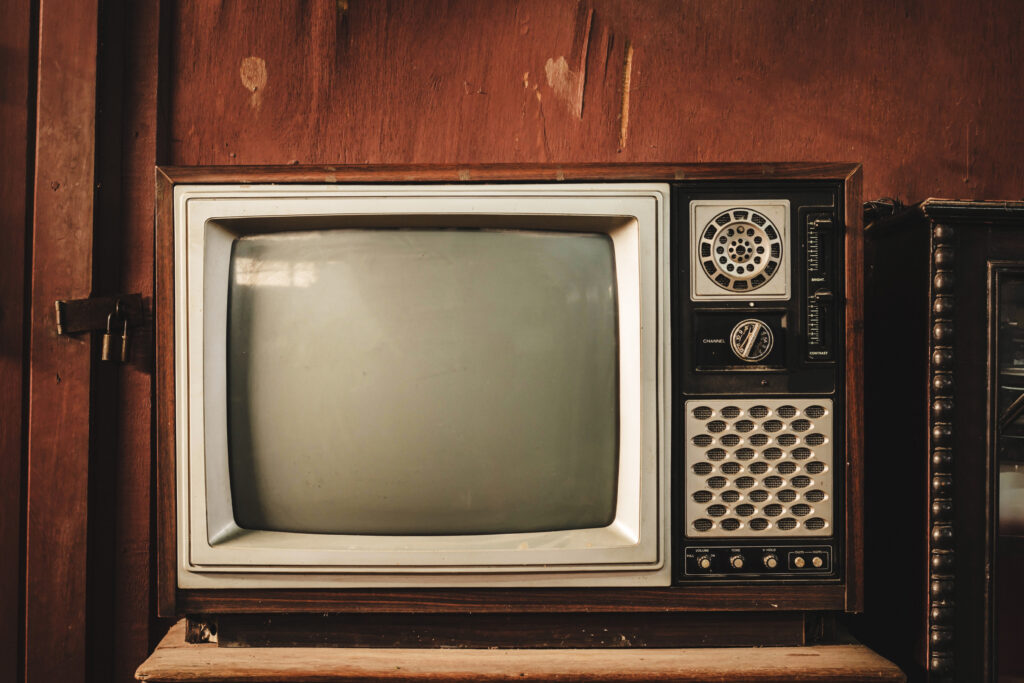
2. Television: From expensive novelty to household staple
In 1950, only 9% of American households owned a television. By 1965, that number had climbed to 93%.
What changed?
Ross Siragusa, president of Admiral Corporation, saw an opportunity to offer Americans a less expensive television. His company developed an innovative design that allowed it to sell TVs for about $100 less than comparable models.
As manufacturers competed to offer better televisions at lower prices, the cost of owning one continued to fall.
Consider the cost of a color television. In 1954, buying one required the equivalent of 562 hours of work for an average American worker. By 1997, that had fallen to just 23 hours.
And consumers weren’t just getting lower prices. They were getting better products, too, with larger screens, improved picture quality, and new features.

3. Refrigerators: From expensive luxury to kitchen essential
Before refrigerators became a household staple, many American families relied on iceboxes — insulated cabinets that required regular deliveries of ice to keep food from spoiling.
Electric refrigerators offered a better alternative, but they weren’t cheap. In 1928, the average refrigerator sold for about $334.
In the 1930s, Sears broke the mold. By selling refrigerators through its own stores and mail-order business, the company reduced distribution and sales costs, allowing it to offer prices about 30% lower.
Competition increased, and refrigerator prices continued to fall. By 1935, the average refrigerator sold for roughly $166.
As refrigerators became more affordable, they made their way into more American homes. In 1940, only 44% of households had mechanical refrigeration. Just 10 years later, that number had climbed to 80%.
And the benefits went beyond convenience. Refrigerators made it easier for families to preserve food, store leftovers, and reduce waste — helping them get more value from their grocery budgets.

4. Long-distance phone calls: From expensive privilege to everyday convenience
For decades, calling someone across the country was an expense Americans had to think about.
But things began to change as new technologies emerged and competition expanded.
In 1984, the federal government broke up AT&T’s telephone monopoly, opening the long-distance market to greater competition.
Between 1984 and 2002, inflation-adjusted long-distance calling prices fell by more than 80%.
Today, you can call or video chat with someone thousands of miles away at little or no additional cost.
What once required a substantial portion of a family’s paycheck is now something Americans can do whenever they want.
What yesterday’s luxuries teach us about today’s cost of living
The story of these four luxuries-turned-necessities shows what can happen when people have the freedom to innovate, take risks, and compete for customers. Products once reserved for the wealthy became part of everyday life.
As Americans look for answers to today’s high cost of living, we shouldn’t overlook what helped make life more affordable in the first place.
Learn more about the fight for economic freedom and against government control at FightSocialism.com.