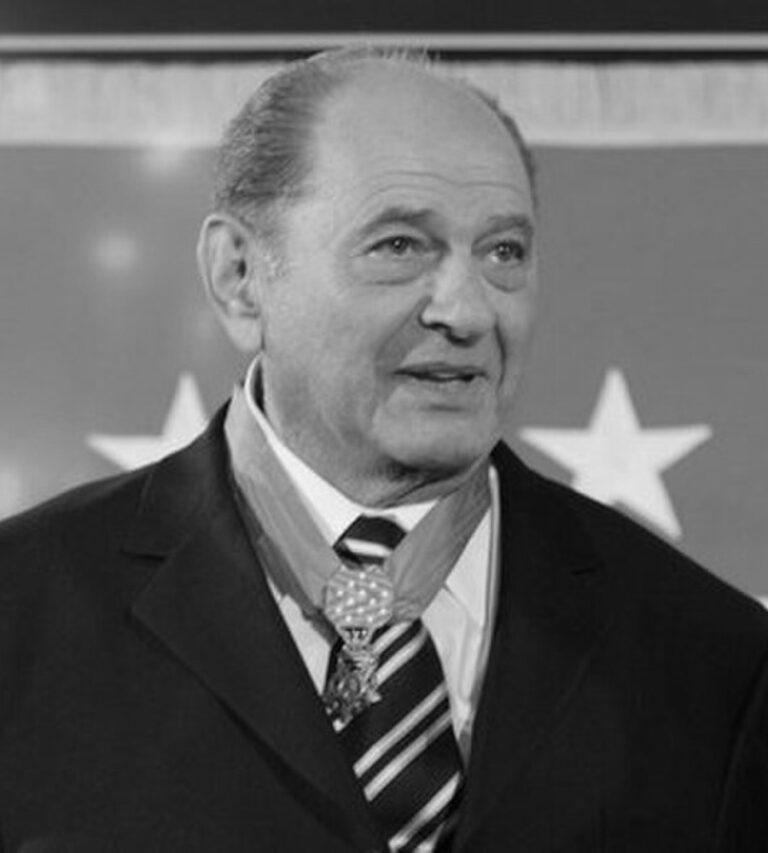
Albert Einstein
Freedom means your ideas belong to you — not to a state that decides which ones are permitted.
Albert Einstein fled Nazi Germany, where the regime had branded his physics “Jewish science” and burned his books. He found refuge at Princeton, where he spent the rest of his life pushing the boundaries of human understanding — and speaking out, without fear, for the political and intellectual freedoms that made that work possible.
Under centralized control: the state decides which ideas are true. Here: the truth is yours to pursue.
“Few are those who see with their own eyes and feel with their own hearts.”
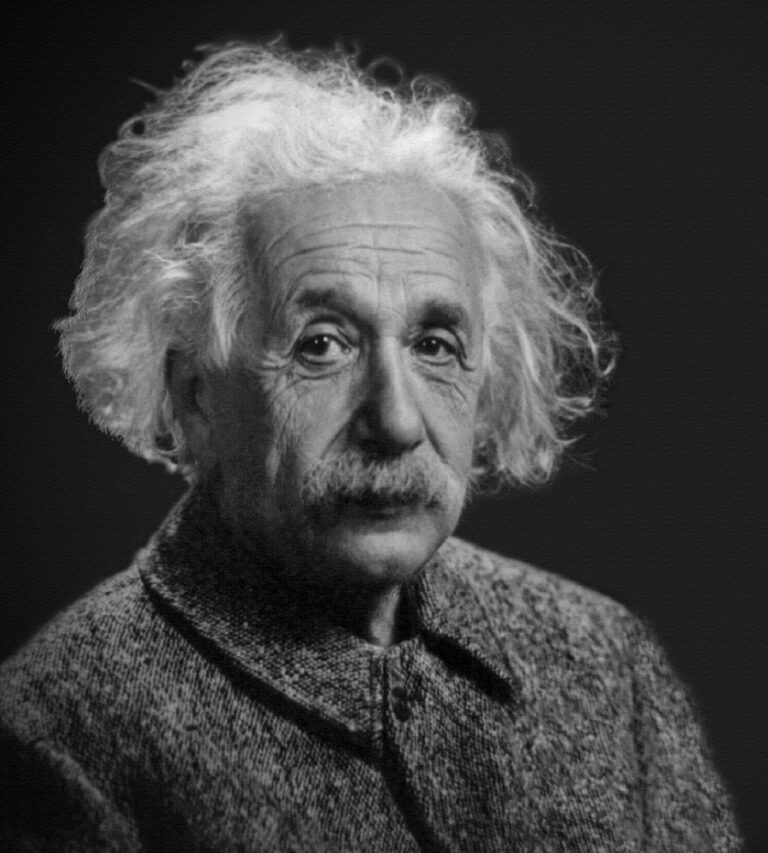
Levi Strauss
Opportunity means you can build something from nothing — and keep what you build.
Levi Strauss arrived from Germany with little, and followed the Gold Rush west to sell dry goods to miners. When he saw laborers wearing through their pants, he didn’t wait for permission to solve the problem — he riveted the pockets of a canvas trouser and created blue jeans, one of the most enduring products America has ever made.
Under centralized control: opportunity depends on political favor. Here: it depends on what you’re willing to build.
Strauss’s small dry-goods venture became a company still making the same product, in the same country, more than 170 years later — a small business story that outlasted the century it was born in.
Hedy Lamarr
Dignity means being seen for everything you are — not just the one thing the world decided to notice.
Hedy Lamarr fled authoritarian Europe and became a Hollywood star, celebrated for her looks and little else. In private, she was also an inventor — and during World War II, she co-developed a frequency-hopping signal technology to secure military communications. That invention now underlies the Wi-Fi, GPS, and Bluetooth billions of people use every day.
Under centralized control: you are what the state allows you to be. Here: you can be more than anyone expected.
“Films have a certain place in a certain time period. Technology is forever.”

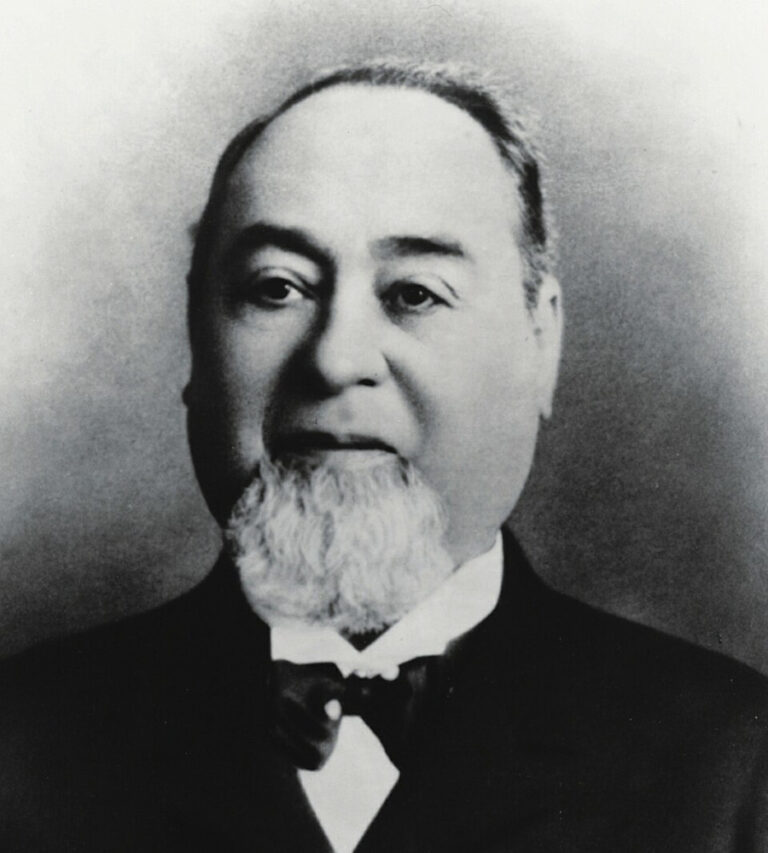
Joseph Pulitzer
Rule of law means the truth can defend itself in open court — even against the powerful.
Joseph Pulitzer arrived from Hungary with almost nothing and built one of the most influential newspaper empires in American history. He championed investigative reporting and government accountability, understanding that a free press only matters if the law protects its right to tell the truth. He later funded the pedestal for the Statue of Liberty — the monument that welcomed immigrants like him.
Under centralized control: the press serves power. Here: the press holds power accountable, and the law backs it up.
“Our Republic and its press will rise or fall together.”
Sergey Brin
Limited government means information belongs to people — not to the state that governs them.
Sergey Brin left the Soviet Union as a child, where the flow of information was a government monopoly. In the United States, he co-founded Google, building a system designed to make the world’s knowledge accessible to anyone who searches for it — a direct answer to the system he left behind.
Under centralized control: information is state property. Here: it’s a search away.
“Solving big problems is easier than solving little problems.”

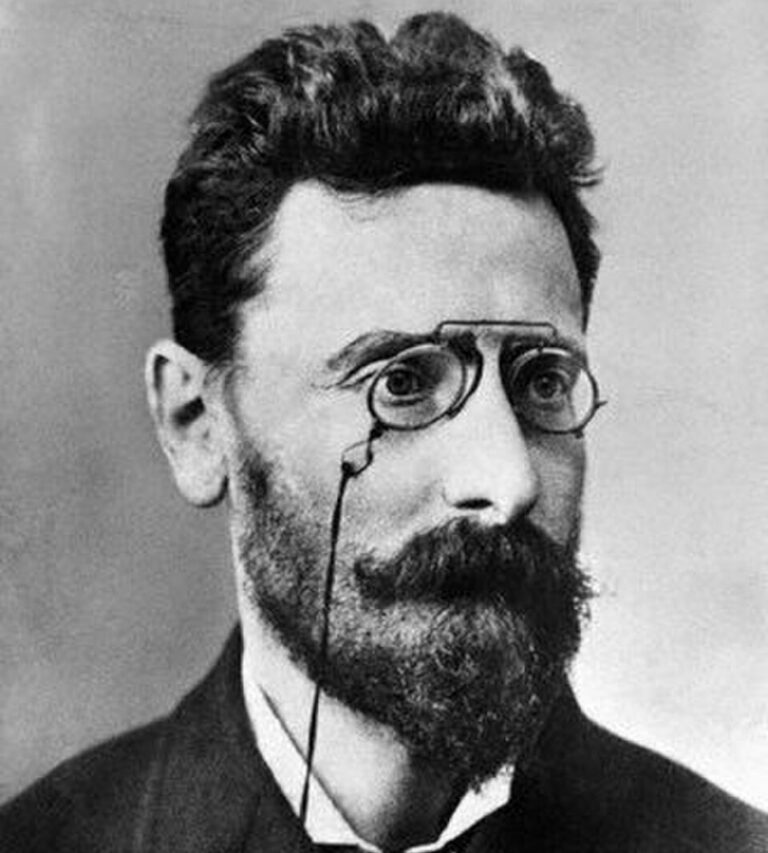
Tibor Rubin
Civic duty means giving back to a country that gave you freedom — not because you owe it, but because you can.
Tibor Rubin survived a Nazi concentration camp as a teenager and immigrated to the United States in search of freedom. He enlisted in the U.S. Army and fought in the Korean War, where he repeatedly risked his life to save fellow soldiers — actions that earned him the Medal of Honor decades later. For Rubin, service wasn’t a debt. It was a choice he was finally free to make.
Under centralized control: your life serves the state’s purposes. Here: you choose who you serve.
“I came to America because it was the greatest country in the world.”