


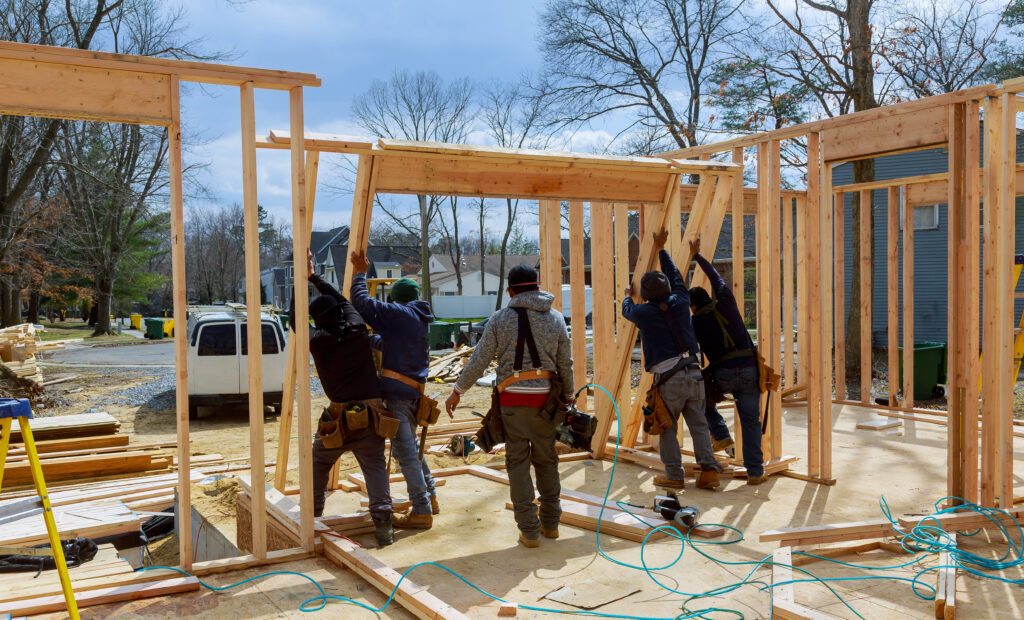
Looking for an affordable home shouldn’t feel like a never-ending series of root canals.
But with America facing a shortage of roughly 6 million homes, renters and would-be buyers are competing for too few places to live.
One reason? Local zoning rules make it harder to build.
So, what is zoning reform? It’s changing those rules to allow more homes to be built. That means more choices for families and lower housing prices.
What is zoning reform?
Did you know the way your hometown is arranged is not the result of chance?
Local officials decide where things like apartment buildings and businesses can go. They can even tell you what sorts of things you can build in your own backyard.
It’s called zoning — local rules governing what can be built and where.

Zoning was not always a fixture in the American landscape. In fact, before the 1900s, zoning laws were virtually nonexistent in America. Restrictive zoning grew after a 1926 Supreme Court decision upheld local governments’ authority to regulate land use.
Zoning can serve important purposes like keeping industrial plants away from schools or sewage plants far from your house. But excessive rules can limit housing supply and drive up housing prices.
Zoning reform creates smarter rules that would make room for more housing.
That could mean allowing smaller lot sizes, permitting more townhomes, or making it easier to build accessory dwelling units (ADUs) — small, separate living spaces on existing residential properties.
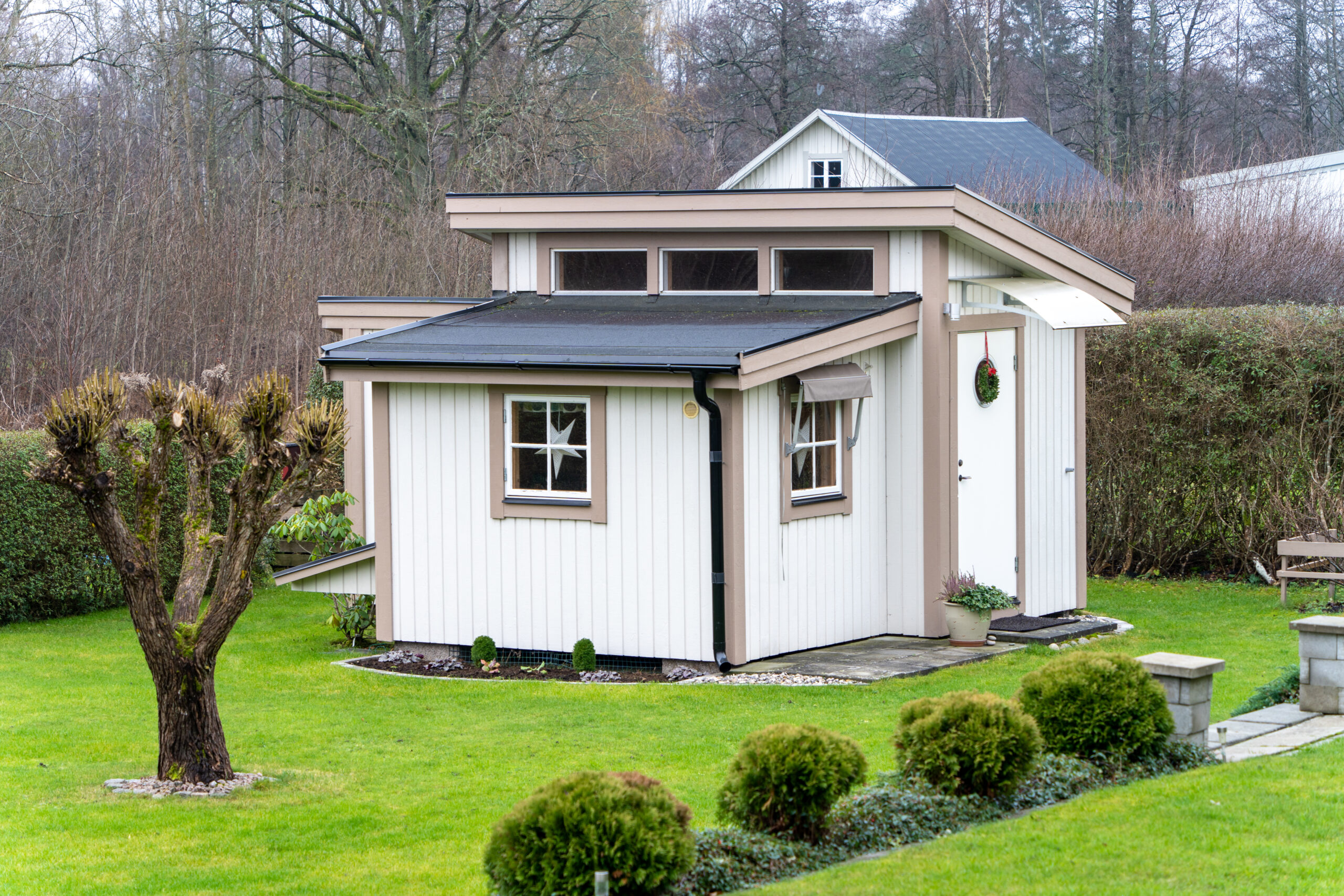
You might not want your mother-in-law living in your house but wouldn’t mind having her a few steps away in a backyard cottage. But many communities won’t let you build one.
Changing those rules would give more families flexibility. It would also create more places for people to live.
How does zoning affect your housing costs?
When there aren’t enough homes to go around, renters and buyers end up competing for the ones that are available.
It’s a simple lesson of supply and demand: When fewer homes are built, there are more families competing for them.
In the 1970s, we built about seven new homes for every 1,000 people. Today, we build only about four.
As local, state, and federal officials have piled on more regulations, the supply of homes in the United States has diminished.
That means bidding wars, broken hearts, and higher prices.
And zoning laws aren’t the only thing keeping housing prices high. Government regulations add more than $130,000 to the cost of building an average-priced new home, roughly one-quarter of the final price.
We need more apartments, townhomes, and starter homes so both buyers and renters have more choices and don’t have to compete so hard to put a roof over their heads.
That means changing restrictive zoning rules and reforming permitting laws that make new homes harder and more expensive to build.
Zoning reform examples: What Austin and Minneapolis show
So, what happens when cities make it easier to build?
Several U.S. cities have changed their zoning rules, allowing more homes to be built and giving renters and buyers more options.
Here just two zoning reform examples:

- Austin, Texas, reduced parking requirements and eased approvals. Its housing stock grew about 30% from 2015 to 2024. What’s more, median rents fell more than 10% from their 2021 peak.
- Minneapolis, Minnesota, removed parking minimums, allowed ADUs and reduced lot sizes. Rents there only rose by about 1% from 2017 to 2022 compared to about 14% in the rest of the state.
A lot of factors go into the price of a home, whether you are renting or buying.
Local officials can’t control all of them. But, by relaxing zoning rules, they can make it easier for you to make rent or buy a home.
Freedom to build the housing Americans need
There are a lot of proposals out there that people say would make housing more affordable.
Some, like rent control, would actually make the problem worse by making it harder to build. In fact, those policies have failed miserably in places like St. Paul, Minnesota.
Zoning reform offers local officials the chance to curb high housing prices — without reducing housing supplies.
What does America need to bring down housing prices?
- Faster approvals
- Fewer federal mandates
- Smaller lot sizes
- Multi-family options
- The ability to build in places currently off limits
The United States needs about 6 million homes to keep up with housing demand. Giving people more freedom to build could mean more choices, less competition, and more affordable places to live.
Learn more about Americans for Prosperity’s 2025 housing reform victories and its Roadmap for Housing Policy Reform.