


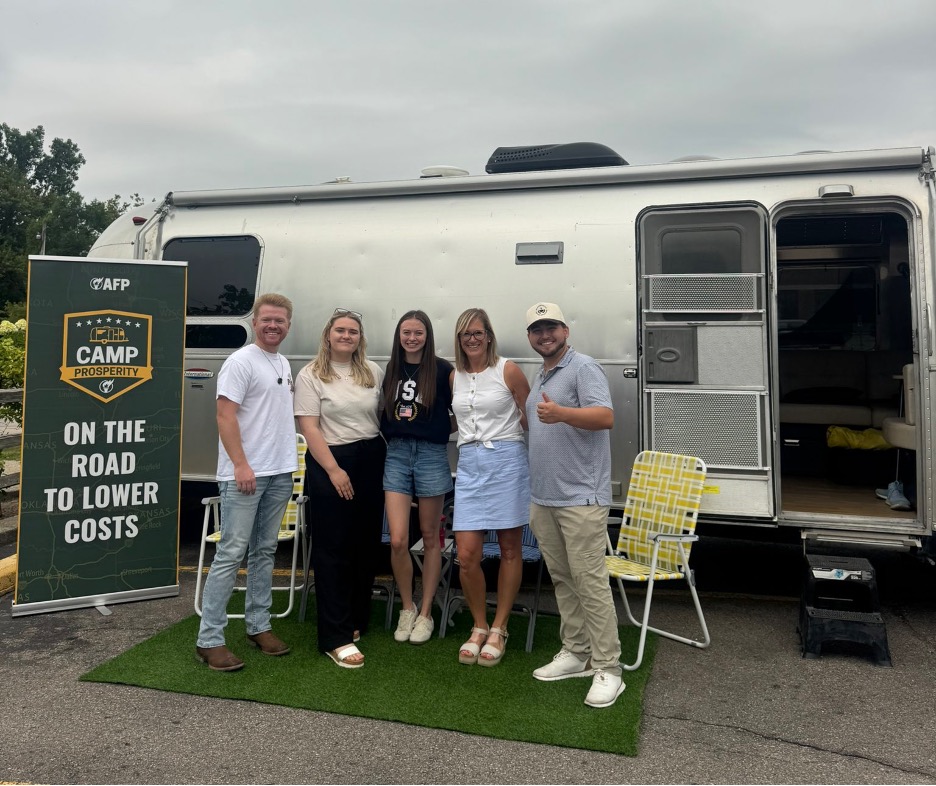
“The cost of living is hurting myself and the people I know, but we don’t know what to do.”
That’s what AFP’s Clayton Rasche is hearing from Americans as Camp Prosperity travels across the country.
Families know groceries cost more. Small business owners see how regulations increase their expenses. And people are hearing very different ideas about how to solve these problems. One calls for more government control — the other gives people more freedom.
Camp Prosperity is giving everyday Americans a chance to join that conversation.
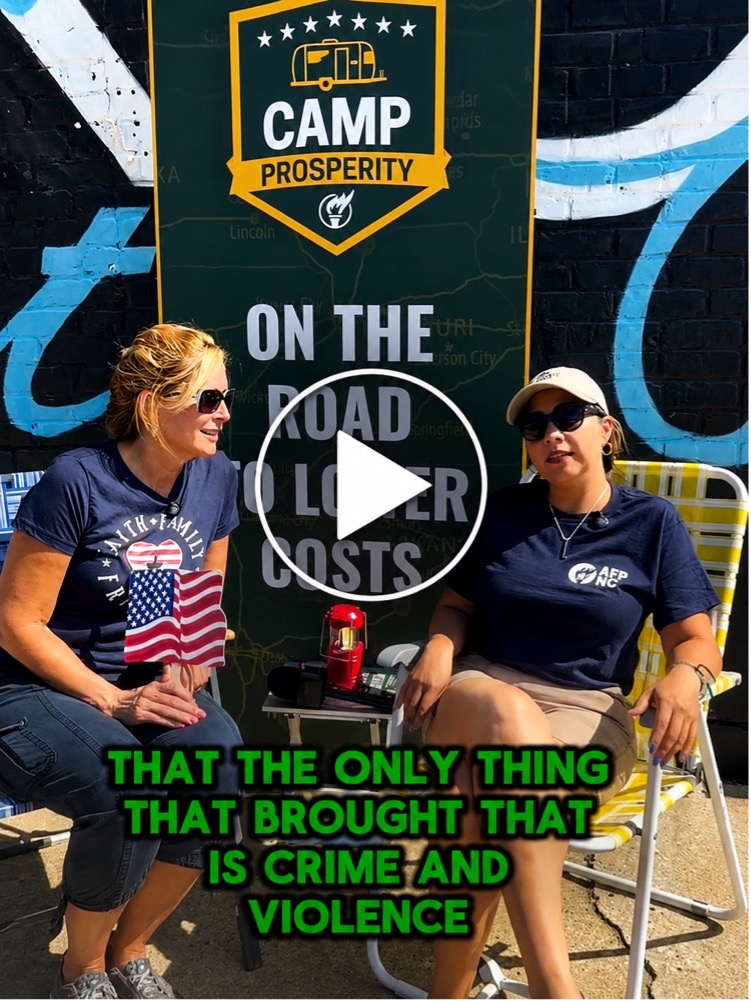
In North Carolina, Ximena has a warning for Americans
At a coffee shop in North Carolina, AFP’s Mary Beth Cirucci spoke with Ximena, a teacher who immigrated from Bogotá, Colombia.
For Ximena, the debate over affordability is also a debate over what kind of solutions America chooses.
Mary Beth asked what she would tell Americans who think socialism offers a better way forward.
“The only thing socialism brought us was crime and violence,” Ximena said.
Her warning comes at an important time.
The Democratic Socialists of America are promising government-paid health care, government-regulated grocery prices, more energy regulations, and more.
For a family struggling with bills, those promises can sound appealing. Ximena wants Americans to think about where that path leads and who gets to make more of the decisions.
She reminded us that socialism “hasn’t been the success story of any place.” She urged Americans to elect leaders who understand the country’s founding principles.
Hear more of their conversation by clicking below:

In New Hampshire, Chris wants more control over his own money
In Manchester, New Hampshire, AFP’s Clayton Rasche met Chris Laufer.
Chris is thinking about rising bills and what it will cost to start a family. But when asked whether he’d prefer a smaller or bigger government, Chris chose a smaller one. He believes it’s easier for citizens to see what their government is doing and hold it accountable when it operates closer to home and has fewer bureaucratic regulations.
Taxes were also on his mind.
He wants government to “get out of our back pocket” so people can keep more of what they earn.
His message to Congress was even shorter: “Clean it up and give us some freedom back.”


In Georgia, Jason sees what red tape costs
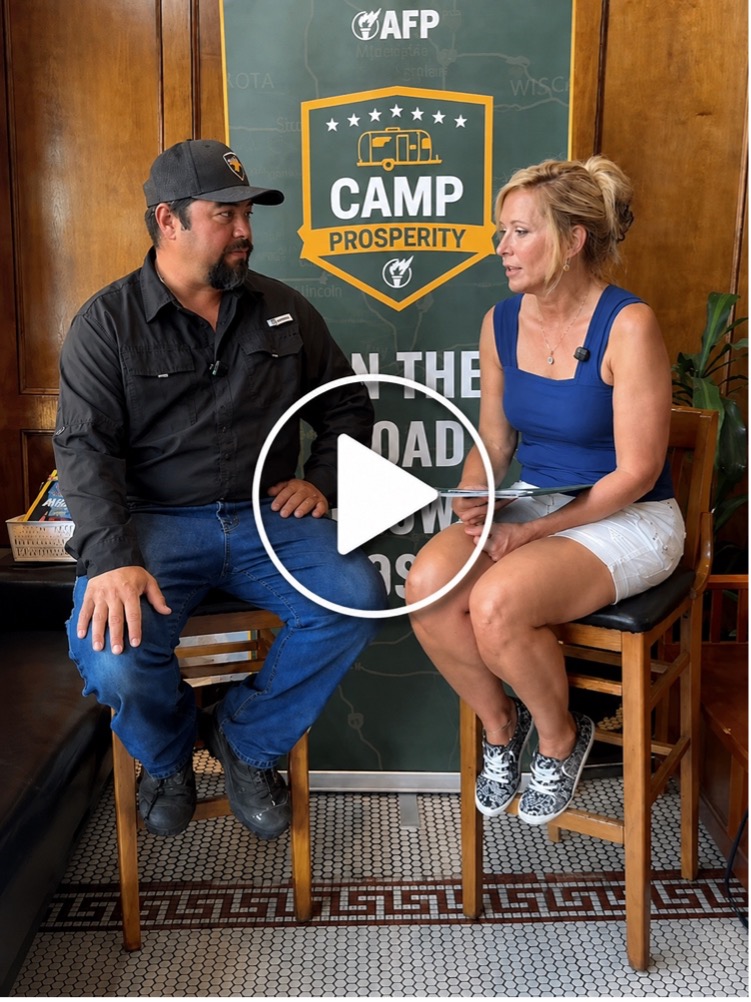
In Georgia, Mary Beth met Jason, a contractor who sees the cost of government regulations before a project even begins.
He told Mary Beth that costly permitting has reached smaller projects, including backyard sheds. On a job near the Alabama state line, Jason said getting permission to build a pole barn in Georgia could require a permit costing around $1,500 — while if he built across the state line, he wouldn’t need a permit at all.
Those costs make jobs more expensive and lead to higher costs across industries.
They can also discourage investment when property owners decide that another fee, inspection, or delay makes a project too expensive.
That’s a big reason regulatory reform is important at city halls, state capitols, and in Washington. Clearer and more predictable rules can make it easier to build and invest.
Watch Jason’s breakdown below:
In Virginia, higher grocery costs hit a family tradition
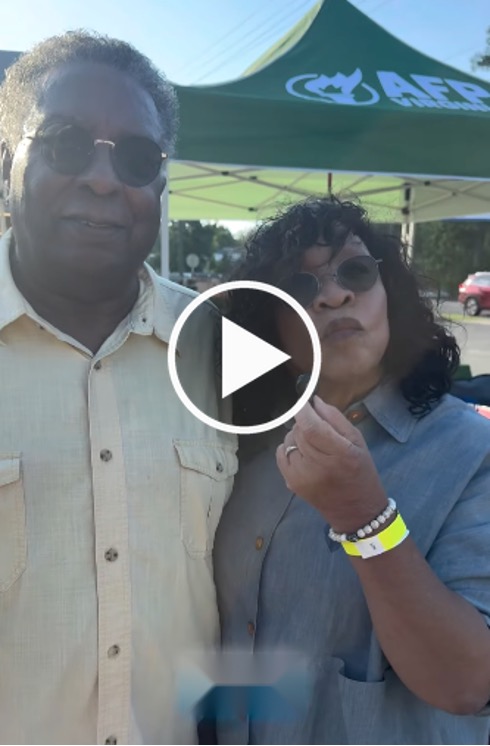
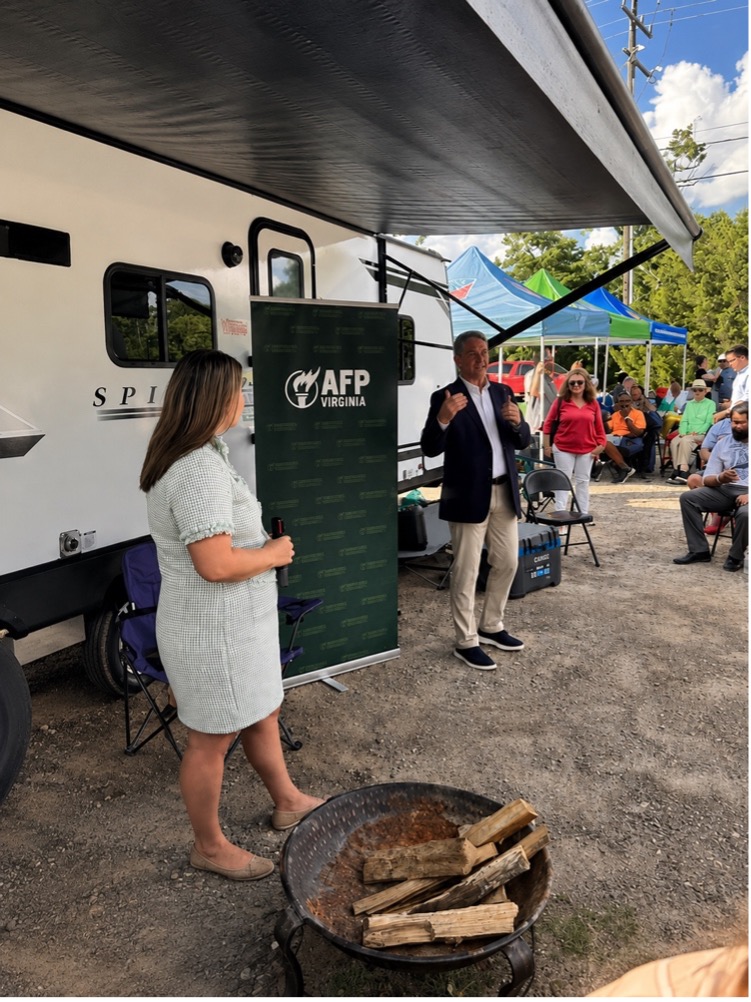
Camp Prosperity’s most recent stop brought AFP to the Glen Allen Supermarket in Virginia.
Cornell and Linda told Mary Beth they’re spending 30% to 50% more on groceries.
They saw the difference while preparing for their annual two-day family gathering. Feeding their guests this year cost substantially more than last year.
They want government to show more accountability, set smarter priorities, and become a better steward of taxpayer dollars.

What happens when the government promises everything?
Ximena’s warning raises a question: Who pays for all these promises?
A Cato Institute analysis estimates that major proposals in the Democratic Socialists of America platform could add $71 trillion to $212 trillion in federal spending over the next decade.
At the high end, paying for those programs and projected deficits would require more than four times the federal revenue Washington collects today.
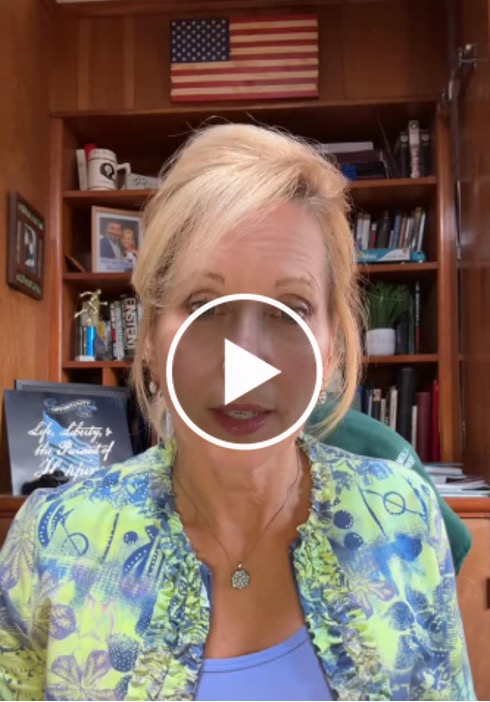
As Mary Beth says, “There’s no such thing as free. The bill always comes due.”
She breaks it down in the video below:

From grocery bills to permitting costs, Americans are feeling the consequences of policies that make everyday life more expensive. Camp Prosperity will keep listening to their stories — and highlighting solutions that remove barriers, lower costs, and give people more freedom.
You can read about our previous stops here.