


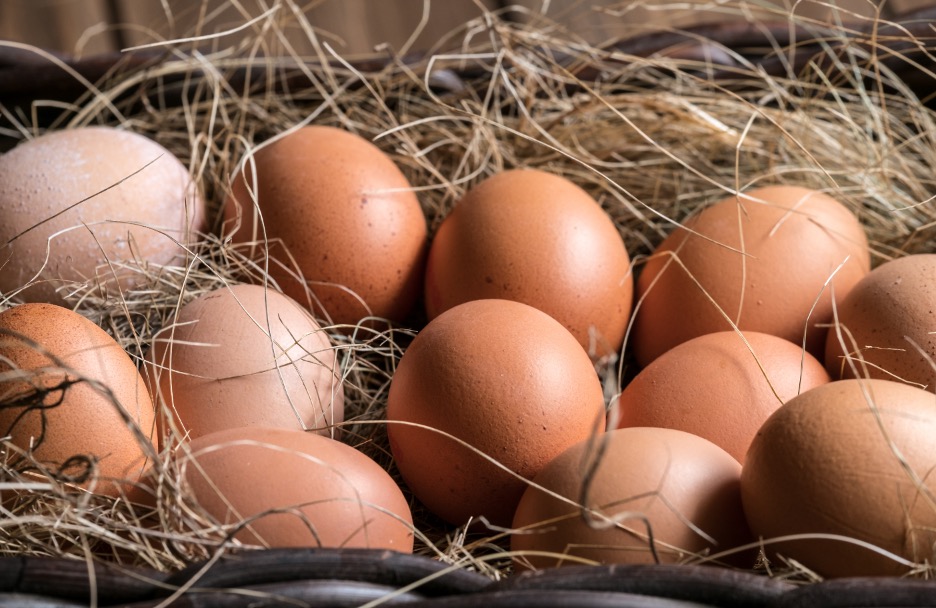
Groceries cost too much. But blaming “greedy corporations” for higher prices gets the problem and the solution wrong.
When supply falls and demand stays strong, prices rise. When supply grows, prices fall.
That’s not greed. That’s basic economics.
There are plenty of examples that bust the corporate greed myth. Egg prices show what happens when disease wipes out supply. The recent infant formula shortage shows what can happen when government barriers make it harder for new supply to enter the market.
Let’s start with eggs.
Egg prices: Supply, not “corporate greed”
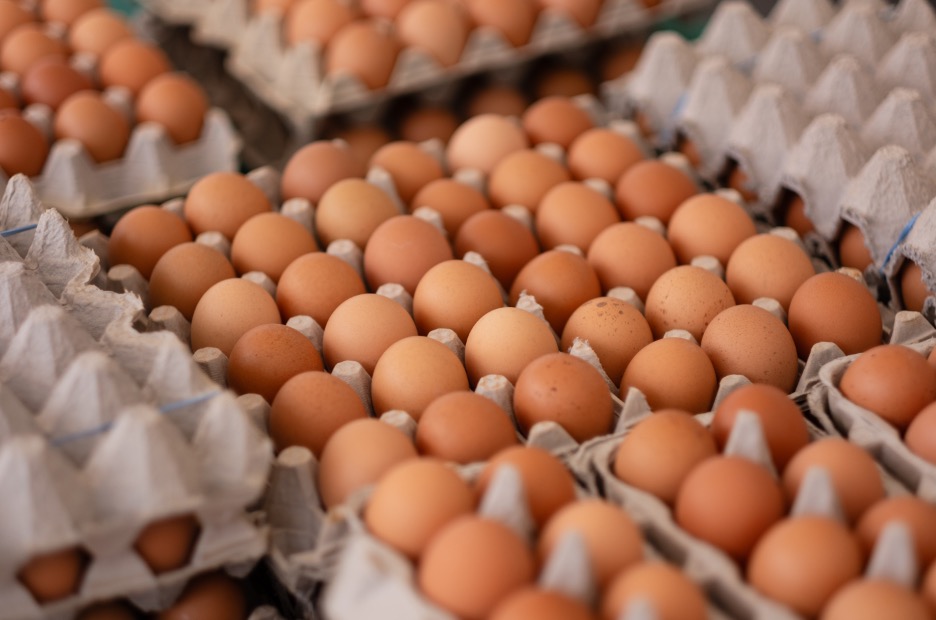
When egg prices surged in 2022 and early 2023, former Labor Secretary Robert Reich offered a simple explanation: “Corporate greed.”
But actual data tells a different story.
Highly pathogenic avian influenza swept through U.S. poultry flocks in 2022. By the end of December, more than 43 million egg-laying hens had been lost, and egg inventories were 29% lower than at the beginning of the year.
With fewer eggs available, prices soared.
When supply began to recover, prices fell. Wholesale egg prices dropped from $5.37 per dozen in late 2022 to 89 cents per dozen by early May 2023.
The pattern repeated in late 2024.
According to the U.S. Department of Agriculture, 50.7 million egg-laying hens were lost between mid-October 2024 and early March 2025. At the same time, demand remained strong.
The result was predictable: fewer eggs, more competition for what remained, and much higher prices.
Wholesale egg prices peaked at $8.20 per dozen in February 2025.
As flu cases slowed and producers rebuilt their flocks, supply began to recover. By April, average wholesale prices had fallen to $3.74 per dozen.
That is not a story about greed suddenly appearing and disappearing.
Infant formula: When government barriers make shortages worse

Eggs show what happens when production suddenly drops.
Infant formula shows what can happen when government makes it harder for outside suppliers to fill the gap.
During the 2022 formula crisis, Democratic Rep. Rosa DeLauro blamed the shortage “in large part [on] corporate greed.”
But when Abbott Nutrition shut down one of the country’s major production facilities after a recall, the impact was enormous. Abbot supplied roughly 40% of the U.S. infant formula market, so losing that production created a hole that needed to be filled.
Some of that supply could’ve come from foreign producers. But at the time, most infant formula imports faced significant tariffs, while foreign manufacturers also had to clear extensive Food and Drug Administration requirements before selling in the United States.
That made it harder and more expensive to bring additional formula into the country just when families needed it most.
As formula became harder to find, prices for baby food — a category that includes infant formula — rose by double digits. By May 2022, prices were 12.9% higher than a year earlier.
Washington eventually eased some import restrictions and FDA requirements so more formula could enter the country.
The lesson is the same as with eggs: When supply falls and other producers can’t quickly replace it, shortages worsen and prices rise.
That’s not proof of corporate greed. It’s what happens when supply can’t keep up with demand.
The choice is scarcity or abundance
This lesson goes far beyond eggs and infant formula.
Families are facing high prices across the economy, and they’re understandably looking for answers.
Some politicians start from the assumption that high prices are proof that markets have failed.
Their response is predictable: price caps, subsidies, government-run stores, or regulations telling businesses what they can charge.
Those policies might change the price on the tag, but they don’t create more eggs, infant formula, energy, or homes.
We take the opposite approach: remove barriers that make it harder to produce, invest, build, and compete.
That means reducing costly regulations, making it easier for businesses and entrepreneurs to expand supply, and cutting unnecessary government spending that weakens families’ purchasing power.
More producers, more competition, and more supply also make the economy better able to absorb the next disruption when it comes.
Families don’t need top-down policies that try to control prices or profits. They need policies that make it easier for people to produce more of what Americans need.
The choice is simple: manage scarcity or create the conditions for abundance.
Join us and tell Congress: Remove barriers. Lower costs. Restore the American Dream.