


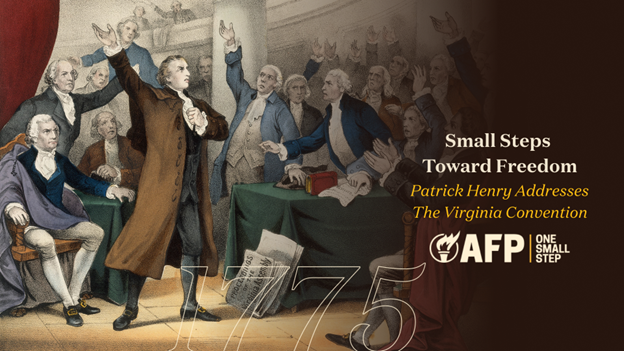
“Give me liberty or give me death.”
Most Americans know the line, but on March 23, 1775, the speaker stood inside St. John’s Church in Richmond, Virginia, addressing the Second Virginia Convention. At the time, the colonies were locked in a growing standoff with Great Britain. British troops were already stationed in Boston, and tensions were at their highest.
This line still matters today, as does the man who said it.
Who said, “Give me liberty or give me death,” and why?
Patrick Henry spoke the famous line.
Not many realize the words were spoken as leaders were debating whether to revolt against the king.
Some of the delegates to the convention suggested peace and reconciliation with Britain.
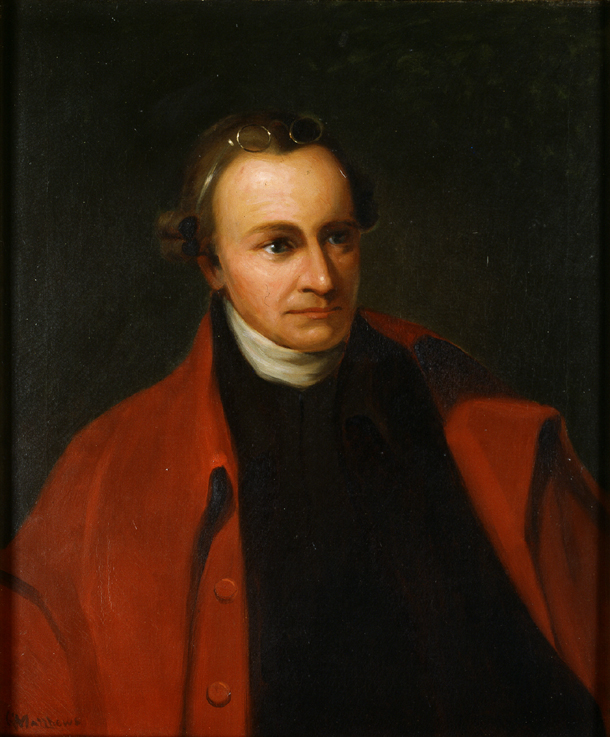

Henry disagreed.
He argued that the time for talk had passed. In his speech, he warned, “The war is actually begun!”
To Henry, liberty was quickly slipping away.
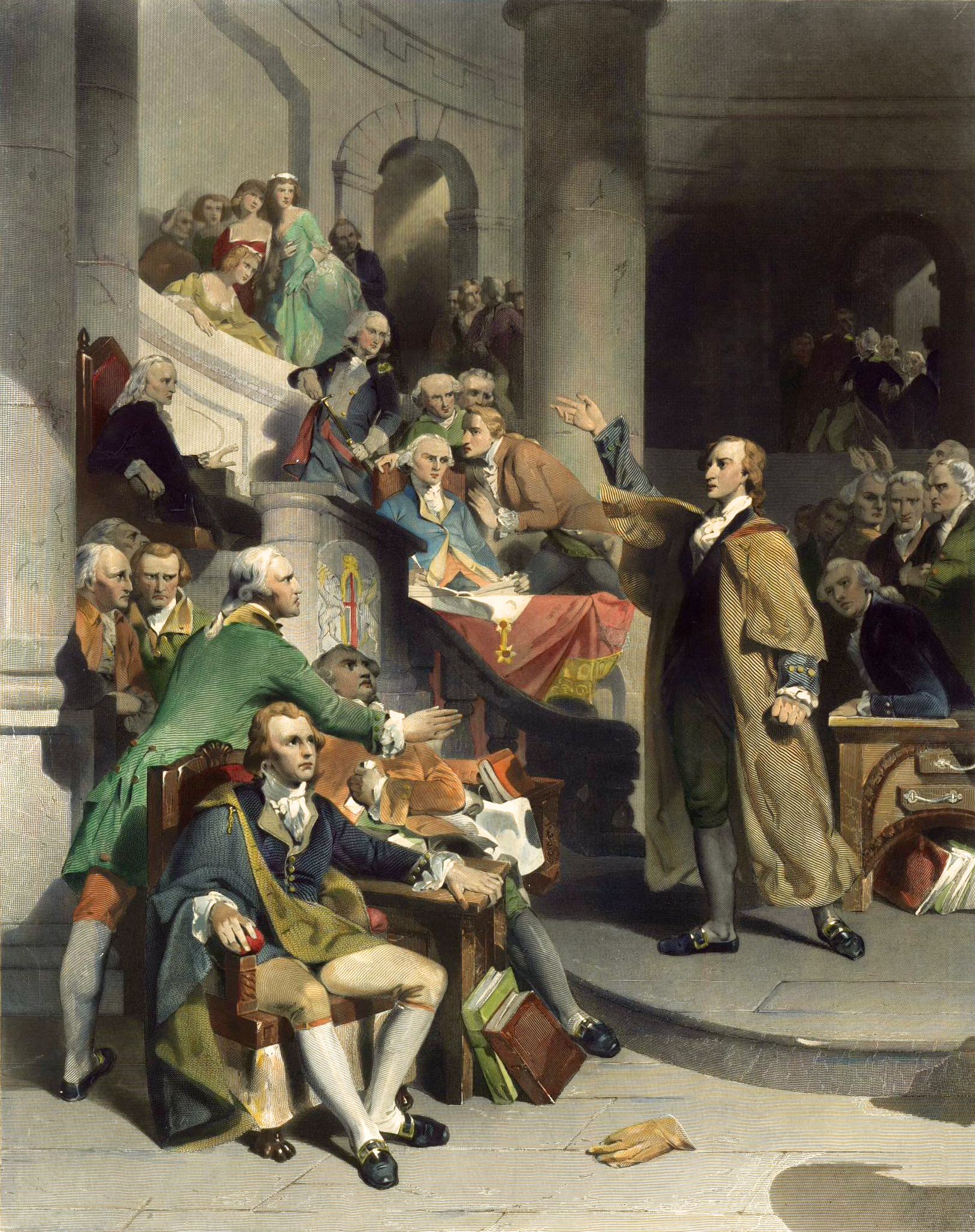
He closed his speech with the line that would echo through American history: “Give me liberty or give me death.”
This line wasn’t delivered to thousands. It was given only to fellow delegates who were deciding whether to arm the Virginia militia or wait for negotiations with Britain.
His speech convinced the convention to prepare for war. Less than a month later, shots were fired at Lexington and Concord.
Liberty in 2026
So what does “give me liberty” mean now?
It means that free people must be willing to speak out and take steps to protect liberty and the values our founders instilled.
The First Amendment protects that same kind of courage — the right to speak uncomfortable truths without fear.
It protects the right to speak up because open debate protects freedom and holds leaders accountable, forcing them to answer tough questions.
Free speech helps regular people:
- Challenge broken systems without needing permission
- Share lived experiences that experts might miss
- Organize locally around practical solutions
When the speech is protected, citizens can expose waste, push reforms, and defend rights.
When people are silenced or pressured, accountability and openness fade.
Henry didn’t wait for permission from others to speak out, and it changed the course of American history. That courage matters today.
How liberty works in real life: Keeping power close to home
The effects of liberty and self-government show up in how decisions are made.
Henry believed Virginians — not a distant king or Parliament — know what’s best for their own prosperity. That remains true today.
When decisions are made locally:
- Voters can see who is responsible
- Communities can adjust policies that fail
- Solutions can be specific to local needs
- Rights are easier to defend
If power is local, it’s easier to check.
The more distant and centralized the power, the harder it is to hold accountable.
Henry’s argument in 1775 was about consent and liberty — the idea that people need to have a say and that only representatives accountable to them have the authority to tax.
You can watch our new video on Patrick Henry’s critical speech by clicking on the picture below.

The principle applies anywhere power grows distant and unaccountable. Top-down, overreaching decisions that remove choice and ignore local knowledge betray Henry’s message.
You can make the choice to choose courage over caution, too, just like Henry did.
Know America’s history, use your voice, and take steps for liberty and accountability in your community.
Liberty doesn’t preserve itself. Learn how you can take one small step to defend it in your community — click here