



The U.S. Constitution divides the federal government into three branches: legislative, executive, and judicial. So, what do the three branches of government do?
- The legislative branch — Congress, which is made up of the U.S. House and Senate — makes laws.
- The executive branch, headed by the U.S. president, carries out and enforces federal laws. The president also serves as commander in chief of the U.S. military and takes the lead when it comes to negotiating treaties with other countries.
- The judicial branch, which includes the Supreme Court and other federal courts, interprets laws and ensures they are constitutional. Federal judges are nominated by the president and confirmed by the U.S. Senate.
Why do we have three branches of government?
For a simple reason: America’s founders were worried about the concentration of too much power in one place — and the ability of one person, or just a few, to take away your rights and opportunities.
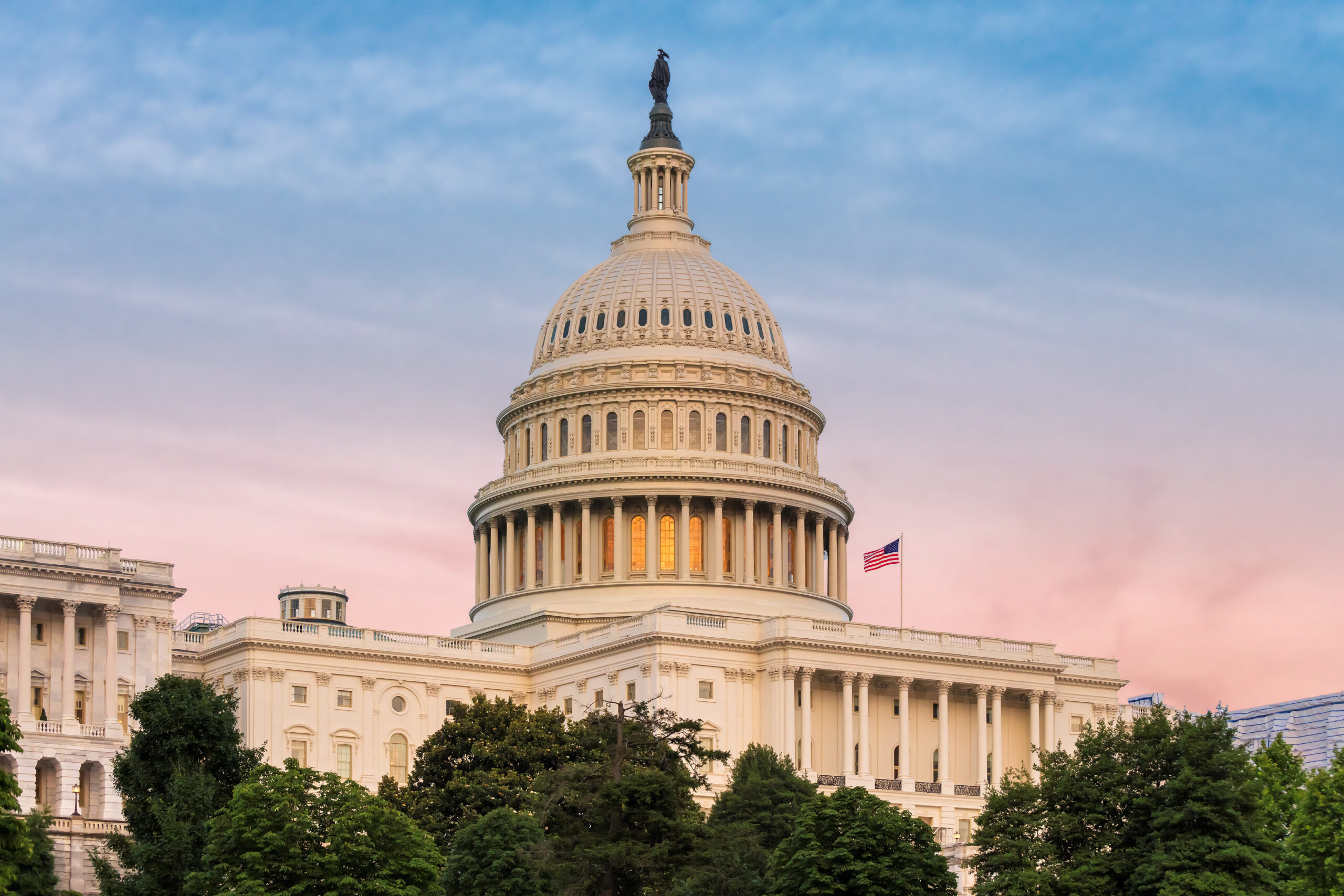
Why do we have the 3 branches of government?
America has three branches of government to protect your freedom.
The government’s most fundamental role is to protect your rights.
Its proper role includes upholding the rule of law, protecting people from force and fraud, defending the country, and preserving the freedom that allows individuals and communities to flourish.
Separating power among three branches prevents any one part of government from exercising unchecked authority.
Having three branches helps the government to:
- Act fairly and consistently
- Operate within clear constitutional limits
- Apply the law equally
- Remain accountable to the people
- Exercise power only for legitimate public purposes
America’s founders understood the danger of concentrating too much power in too few hands. So, they designed a system that would ensure the people who run our government would operate within clear limits.
How limited government helps protect individual freedom
America’s founders had a lot of experience with rulers who didn’t respect their rights. They outlined these abuses in the Declaration of Independence, accusing the King of England of:
- Dissolving representative bodies repeatedly
- Making judges dependent on his will alone
- Imposing taxes without consent
- Creating countless new offices and sending officers to harass the people
The three branches of government are meant to prevent abuses like these.
How?
When talking about the separation of powers, you may have heard the term “checks and balances.”
Each branch has powers sufficient to “check” the power of the other branches.
A system of checks and balances limits the government’s reach into your lives. It emphasizes accountability, constitutional boundaries, and keeps decision-making power closer to individuals and communities.
When each branch of government is limited and accountable, individuals, families, workers, entrepreneurs, and communities have more room to make decisions for themselves and pursue opportunity.
What do the 3 branches of government do protect your freedom?
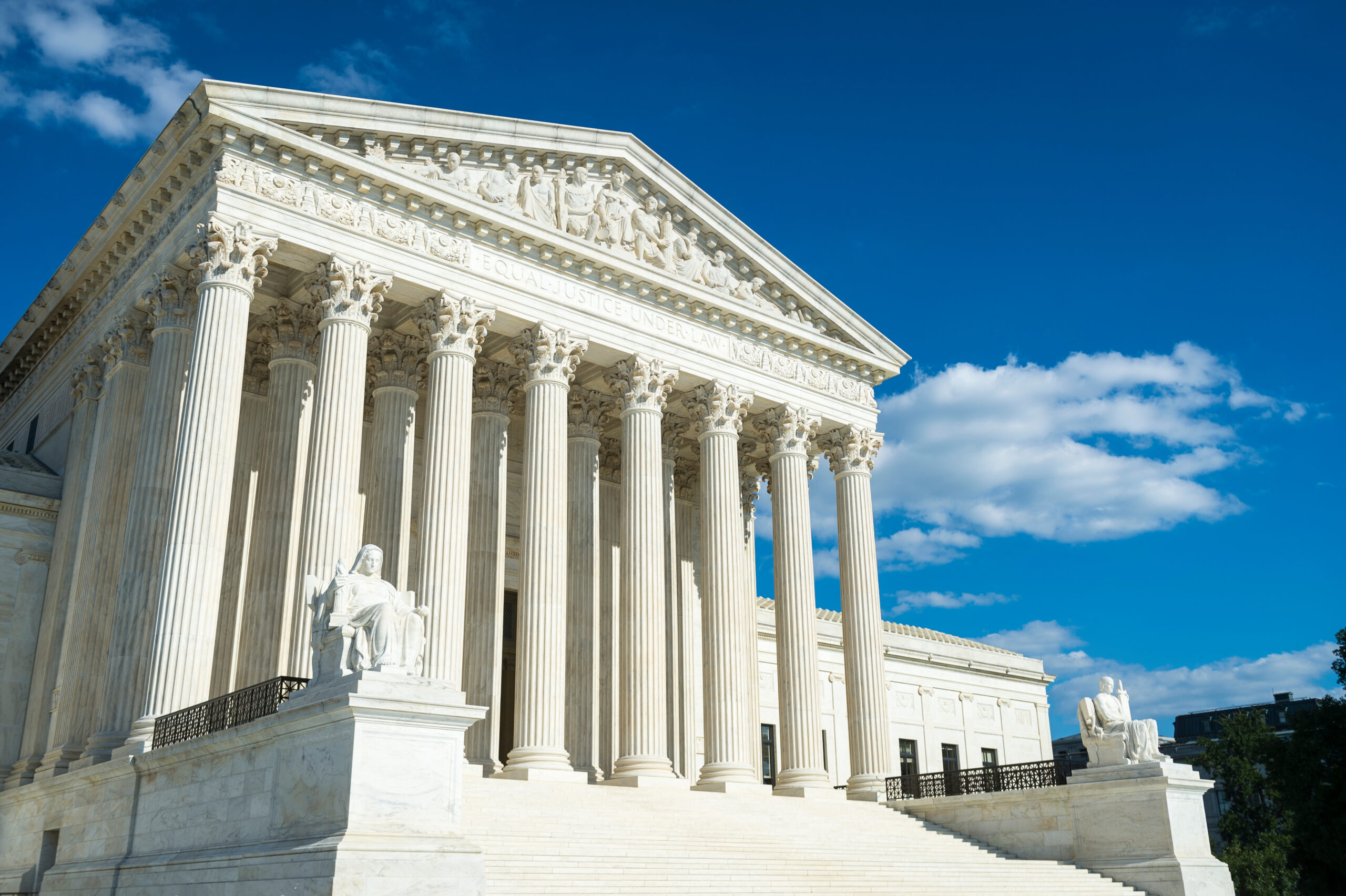
The purpose of limiting government power is not simply to restrain the people we elect. It is to help preserve your freedom.
It’s simple: freedom is better protected when government performs its proper role without controlling more of people’s lives than necessary.
The result?
- In a system of checks and balances, you get to determine whether and where you go to college.
- In a system of checks and balances, you get to decide how your particular aptitudes are best suited to contribute to your community and your country.
- In a system of checks and balances, you can speak up against your government.
- In a system of checks and balances, you don’t get to knowingly harm someone in pursuit of your dreams. But you do get to dream of and pursue a better life.
We sometimes take that liberty for granted, but we shouldn’t.
Even today, there are countries where individual leaders or small groups of leaders determine what their citizens can say or how they earn a living.
We have three branches of government so that doesn’t happen in America.