


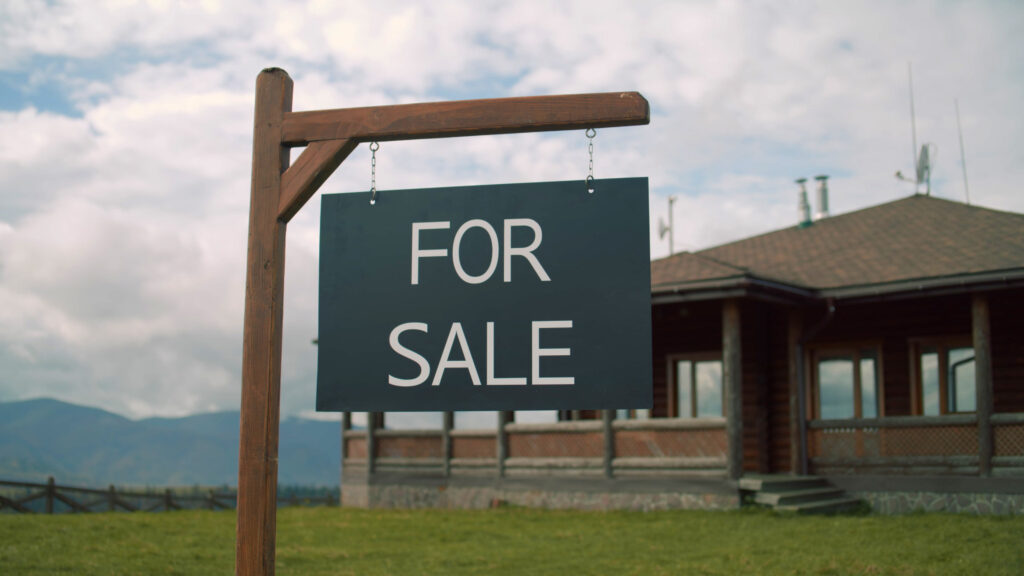
Owning a home is foundational to the American Dream.
For many families, the rising cost of housing is making both homeownership and the American Dream feel out of reach. Rent and home prices are up, and for millions of Americans, housing is now the biggest pressure in their monthly budget.
So what changed?
What is the housing affordability crisis?
Simply put, the housing affordability crisis occurs when housing costs rise faster than incomes, and there aren’t enough homes to meet demand.
That’s exactly what we’re seeing today.
In fact since 2000, home prices have risen 2.5 times faster than average income.
This means that our wages just aren’t keeping up with housing costs.
Affordable housing in America is becoming harder to find, and families are spending more of their income just to keep a roof over their heads.
The problem isn’t the market itself, but the governmental barriers that limit supply.
Why is housing so expensive? It comes down to supply and regulation
If you’re wondering why housing is so expensive, the answer is found primarily in a lack of supply and high demand.
According to The National Association of Realtors, the country is short 3 to 5 million homes. America just isn’t building enough houses.
The need is growing — more people, job opportunities, and movement to growing areas mean more demand.

Part of why we aren’t building enough houses lies in bloated, unnecessary rules and restrictions.
Strict zoning laws limit what can be built and where. This means that many builders can’t add apartments, townhomes, or smaller starter homes, even when the market demand is high.
Many communities and states have rules limiting the number of multifamily units that can be built, leading to single-family homes taking up all available space and leaving many without affordable housing.
The cost side of this is what everyday Americans see.
So all at once,
- Zoning regulations are making it harder to build
- Bloated permitting systems are increasing the cost to build and making the process slower
- Higher costs are affecting labor, materials, and property values
When combined, it’s a system that is pushing prices up and keeping many families locked out.
What this crisis means for Americans
This isn’t a vague policy problem — for many, it’s a daily reality.
First-time buyers are being squeezed out of the market. Families are making tradeoffs, and owning a home in the near future is often a casualty.
Homeownership can feel like a long-term goal that is decades away, even for families with high incomes.
Instead of buying a home soon after starting a family, many have to wait years or decades before making that investment. Additionally, families with starter homes are having a harder time upgrading as their family grows.
Families also aren’t able to be as flexible with moving, even to areas with better job opportunities. When people can’t vote with their feet, communities can become stagnant and resistant to important change.
This loss in opportunity directly affects access to the American Dream.
Why this isn’t going to fix itself
There’s a reason this problem has gotten worse over time.
The system is designed to keep adding layers. Over time, new rules, fees, and delays stack on top of existing ones, making it harder and more expensive to build and invest.
Local zoning restrictions limit what can be built. State and federal permitting processes delay projects. Agencies add new requirements without always being accountable for the cost. And once those rules are in place, they rarely get removed.
The result is a system where new rules are stacked on top of each other instead of rolled back.
It’s why the housing affordability crisis keeps getting worse, not better.
A big part of the problem is who is making these decisions.
Many of the rules driving up housing costs come from unelected regulators, not elected lawmakers directly accountable to voters. That means policies that increase costs can move forward without a clear vote or real scrutiny.
That’s where reforms like the REINS Act matter.
The REINS Act — and similar laws in states around the country — would require major regulations to be approved by elected representatives before they take effect. That creates a direct line of accountability for rules that affect housing supply, construction timelines, and overall cost.
Without that kind of oversight, the pattern continues:
- More regulations
- Pressure on demand
- Higher prices
- Everyday Americans pushed out of the market
This didn’t happen overnight, and it won’t fix itself by waiting.
As long as the system makes it harder to build and easier to restrict, the outcome stays the same: not enough homes, rising prices, and more families priced out of opportunity.
To learn more about Americans for Prosperity’s Affordability Agenda, click here.