


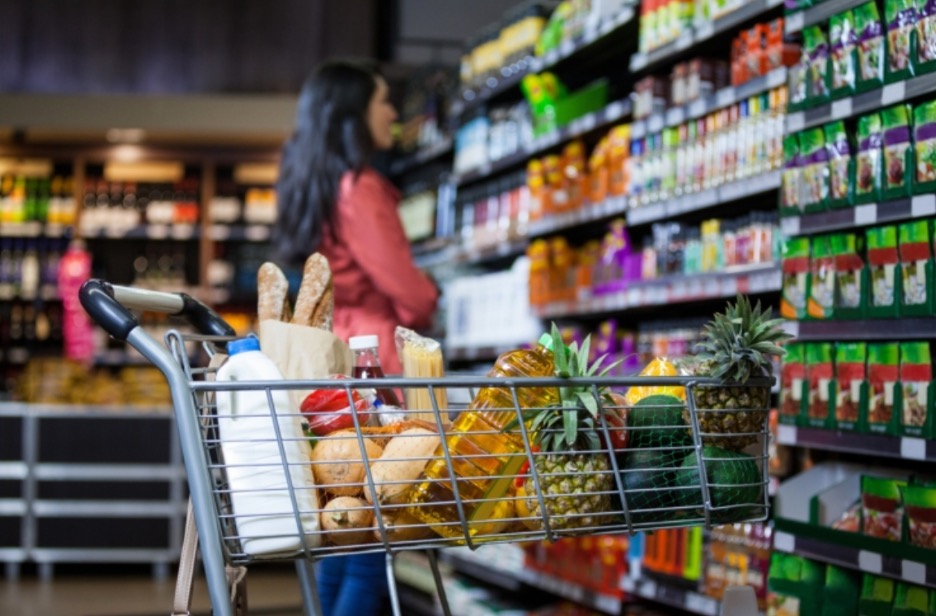
There’s no doubt families are paying too much for groceries. The question is what will actually bring those costs down.
Some elected officials are proposing to put government in the grocery business. The idea sounds simple and compassionate: Have the government operate stores and use public dollars to offer groceries at lower prices.
But good intentions don’t make bad economics work.
Families don’t need politicians to put a cheaper number on a price tag. They need policies that make food less expensive to produce, transport, stock, and sell.
There are two paths to cheaper groceries.
One treats the symptoms, masking higher costs.
The other brings down prices by expanding supply, competition, and opportunity.
Government stores can change the price tag — but not the cost
A government-run grocery store might be able to put a lower number on a price tag, but that doesn’t make the costs of producing, transporting, and selling disappear.

Whether a store is privately or publicly run, the basic costs remain:
- Food still has to be grown, processed, packed, transported, refrigerated, stocked, and sold.
- Workers still have to be paid.
- Stores still face expenses such as rent, electricity, maintenance, and spoilage.
If a store consistently charges less than it costs to provide groceries, someone has to cover the difference. In a government-run grocery store, taxpayers would.
That’s called a subsidy.
A subsidy just changes who pays the bill. It does not, by itself, reduce the cost of growing food, transporting it, stocking shelves, or operating the store.
For a family trying to stretch its grocery budget, a lower checkout price understandably sounds like relief. But real affordability means making it less expensive to produce, move, stock, and sell food — while giving more businesses the chance to compete for customers.
Simply putting government behind the checkout counter doesn’t address those underlying costs.
A better path: More supply and competition
There’s a better way to lower grocery prices: Remove barriers that keep grocers from opening, expanding, and competing.
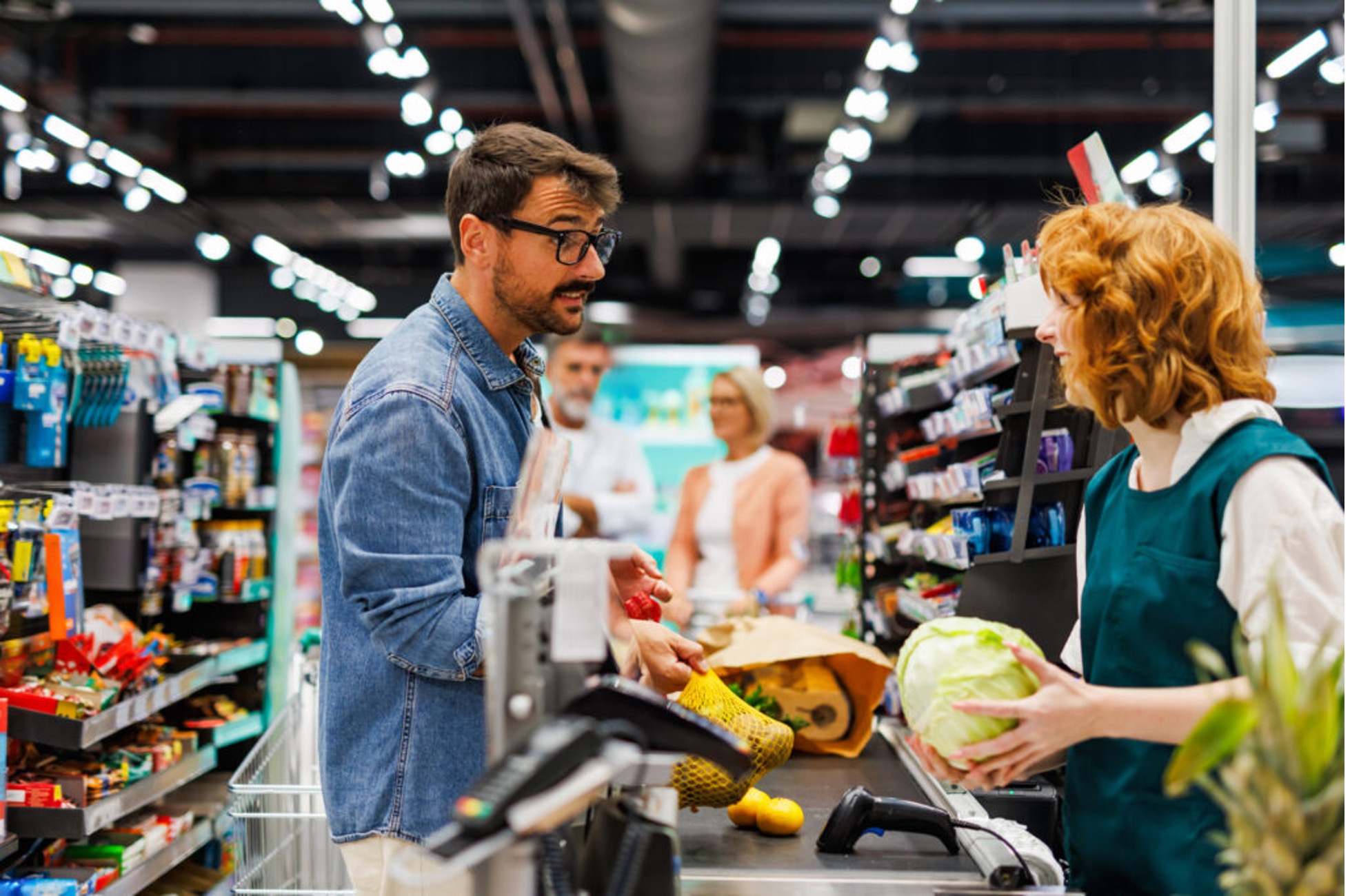
More competition means more choices for families, and more pressure on stores to offer better prices and service.
That’s how greater abundance can put affordability within reach.
The same principle applies across the economy: When people can produce more of what families need, greater supply puts downward pressure on prices.
We’ve seen this play out in housing. When cities make it easier to build, more homes reach the market, families have more choices, and prices face downward pressure.
Affordability improves when the government gets out of the way so people can produce more of what others need and compete to serve them better.
New York makes it harder to open the stores families need
New York City shows what happens when government puts barriers between grocers and the customers they want to serve.
In parts of the city, grocery stores larger than 10,000 square feet generally cannot open. A grocer that wants to open a full-size store in some manufacturing districts may need a special permit — a lengthy process that ultimately requires city council approval.
That matters because many of those districts include neighborhoods where people live and where larger sites could accommodate the kinds of stores that bring more products and competition to the market.
Other rules, regulations, and costs pile on. Grocery stores can still face off-street parking requirements in parts of the city. Limited space for new development can push stores underground, where construction is more expensive. And even after a grocer finds a location, city approvals and inspections can leave a storefront sitting empty for months.
Giving the same people who run the DMV control over grocery stores doesn’t actually fix the problem.
City leaders should make it easier for more grocers to open, expand, and compete, rather than passing those costs on to taxpayers.
The choice is control or opportunity
The debate is bigger than who operates a grocery store. It’s about whether we respond to high costs with more top-down control or make room for people to create better options.
One approach puts more decisions in the government’s hands. The other trusts people to compete, innovate, and find better ways to serve their neighbors.
It means entrepreneurs can open stores, existing grocers can expand, suppliers can find better ways to move food, workers can create value, and families can choose what works for them.
See how Americans for Prosperity is working to remove barriers and lower the cost of living.
Tell lawmakers: Make it easier to produce, compete, and give families more affordable choices.